Genres
Artists
Albums
Make Music
Sign in
Sign in
Albums
By Pedro Caldeira Cabral
Albums
By Pedro Caldeira Cabral
Memórias da Guitarra Portuguesa e a Guitarra do Século XVII
July 1, 2003
Listen
Genres
Fado Instrumental
Fado instrumental is the wordless counterpart of fado in which the Portuguese guitar (guitarra portuguesa) assumes the vocal line and “sings” the melody, typically supported by a classical guitar (viola) and, at times, a bass or double bass. Its expressive focus is still saudade—the bittersweet Portuguese sense of longing—conveyed through rubato phrasing, ornamental figuration (trills, mordents, slides), and dramatic dynamic shading rather than lyrics. Historically rooted in Lisbon’s early fado idiom and Coimbra’s guitar traditions, the style matured into a concert repertoire in the 20th century, proving that the Portuguese guitar possesses an extensive solo literature beyond accompaniment.
Discover
Listen
Guitarra Portuguesa
Guitarra portuguesa refers to the instrumental tradition and playing style centered on the Portuguese guitar, a 12‑string, double‑coursed, metal‑strung lute emblematic of Portugal. Closely bound up with fado, it also sustains a distinct solo repertoire characterized by elaborate ornamentation, lyrical counter‑melodies, and idiomatic variation sets (variações) on canonical fado templates. Two principal regional idioms are associated with distinct tunings and aesthetics: Lisboa (Lisbon) and Coimbra. The Lisbon practice is brighter and more extrovert, while the Coimbra practice—tuned a whole step lower—sounds darker and more introspective, aligning with the university serenade tradition. Right‑hand technique uses thumb and index plectra (unhas) to execute rapid dedilho (alternating strokes), arpeggios, tremolo, and rasgueado, while the left hand adds expressive slides, ligado (hammer‑ons and pull‑offs), campanelas (harp‑like cross‑string scales), and subtle vibrato. In ensemble fado, the Portuguese guitar weaves introductions, interludes, and codas around a vocalist, dialoguing with the classical guitar (viola) and bass guitar (viola baixo). In solo contexts, it becomes a virtuosic singing instrument capable of long‑breathed cantabile, intricate inner voices, and architectural variation cycles. Harmonically, the style gravitates to minor modes and the Andalusian cadence, shaping the music’s signature feeling of saudade—poignant longing and bittersweet nostalgia.
Discover
Listen
Similar albums
2016
Balada a Coimbra
Grupo De Fado Amanhecer
1967
Guitarra portuguesa
Carlos Paredes
2016
Marta Pereira da Costa
Marta Pereira da Costa
2013
Guitarras Portuguesas
Domingos Camarinha, Santos Moreira
2016
Guitarra Portuguesa por António, Paulo e Ricardo Parreira
António Parreira, Paulo Parreira, Ricardo Parreira
2014
Semente
Ricardo Silva
2012
InVentus
Custódio Castelo
2015
Clássicos do Fado de Coimbra
Fado Ao Centro
2016
Tons de Lisboa
José Manuel Neto
2000
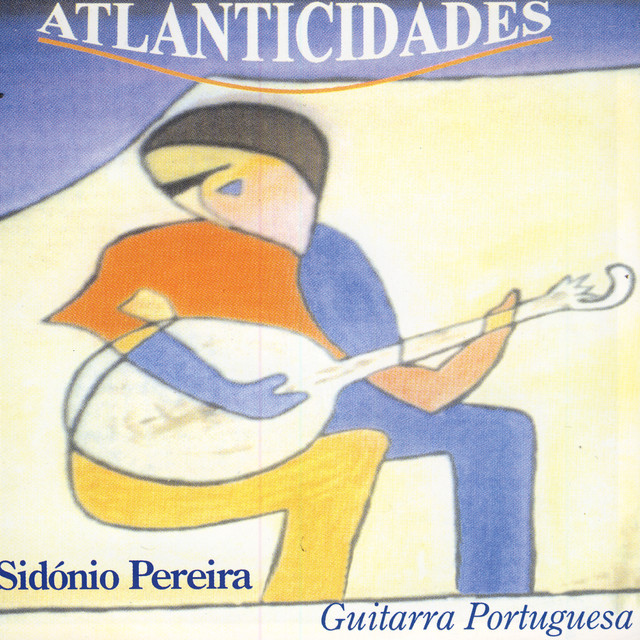
Atlanticidades
Sidónio Pereira
Download our mobile app
Get the Melodigging app and start digging for new genres on the go
Download on the App Store
Get it on Google Play
© 2026 Melodigging
Give feedback
Legal
Melodding was created as a tribute to
Every Noise at Once
, which inspired us to help curious minds keep digging into music's ever-evolving genres.