Genres
Artists
Albums
Make Music
Sign in
Sign in
Albums
By Grupo De Fado Amanhecer
Albums
By Grupo De Fado Amanhecer
Balada a Coimbra
September 24, 2016
Listen
2
/5
Genres
Fado Instrumental
Fado instrumental is the wordless counterpart of fado in which the Portuguese guitar (guitarra portuguesa) assumes the vocal line and “sings” the melody, typically supported by a classical guitar (viola) and, at times, a bass or double bass. Its expressive focus is still saudade—the bittersweet Portuguese sense of longing—conveyed through rubato phrasing, ornamental figuration (trills, mordents, slides), and dramatic dynamic shading rather than lyrics. Historically rooted in Lisbon’s early fado idiom and Coimbra’s guitar traditions, the style matured into a concert repertoire in the 20th century, proving that the Portuguese guitar possesses an extensive solo literature beyond accompaniment.
Discover
Listen
Fado De Coimbra
Fado de Coimbra is a scholarly, serenade-oriented branch of Portuguese fado associated with the University of Coimbra and its academic traditions. It is typically performed by male student singers at night, accompanied by the Coimbra-tuned Portuguese guitar (guitarra de Coimbra) and classical guitar (viola). The tuning, timbre, and repertoire favor a dignified, lyrical delivery that highlights poetry, restraint, and saudade. Compared to Lisbon fado, the Coimbra style is more austere and classically inflected, with texts that often reference student life, the city’s river Mondego, nocturnal streets, and unrequited love.
Discover
Listen
Guitarra Portuguesa
Guitarra portuguesa refers to the instrumental tradition and playing style centered on the Portuguese guitar, a 12‑string, double‑coursed, metal‑strung lute emblematic of Portugal. Closely bound up with fado, it also sustains a distinct solo repertoire characterized by elaborate ornamentation, lyrical counter‑melodies, and idiomatic variation sets (variações) on canonical fado templates. Two principal regional idioms are associated with distinct tunings and aesthetics: Lisboa (Lisbon) and Coimbra. The Lisbon practice is brighter and more extrovert, while the Coimbra practice—tuned a whole step lower—sounds darker and more introspective, aligning with the university serenade tradition. Right‑hand technique uses thumb and index plectra (unhas) to execute rapid dedilho (alternating strokes), arpeggios, tremolo, and rasgueado, while the left hand adds expressive slides, ligado (hammer‑ons and pull‑offs), campanelas (harp‑like cross‑string scales), and subtle vibrato. In ensemble fado, the Portuguese guitar weaves introductions, interludes, and codas around a vocalist, dialoguing with the classical guitar (viola) and bass guitar (viola baixo). In solo contexts, it becomes a virtuosic singing instrument capable of long‑breathed cantabile, intricate inner voices, and architectural variation cycles. Harmonically, the style gravitates to minor modes and the Andalusian cadence, shaping the music’s signature feeling of saudade—poignant longing and bittersweet nostalgia.
Discover
Listen
Similar albums
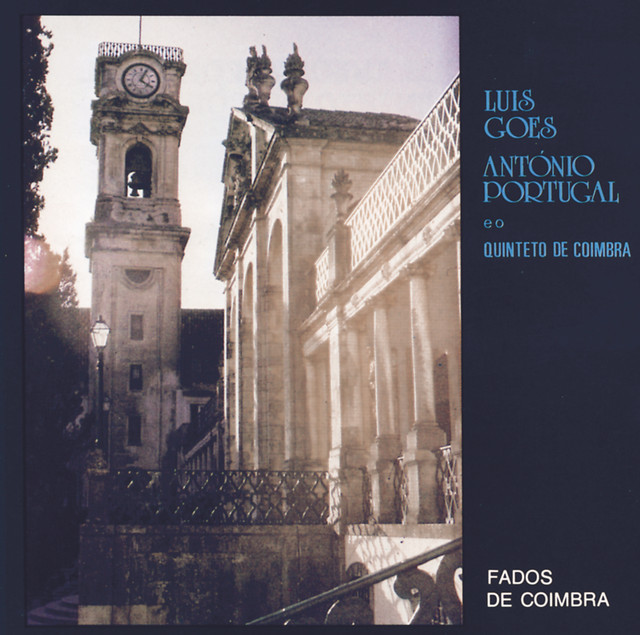
1989
Fados de Coimbra
Coimbra Quintet
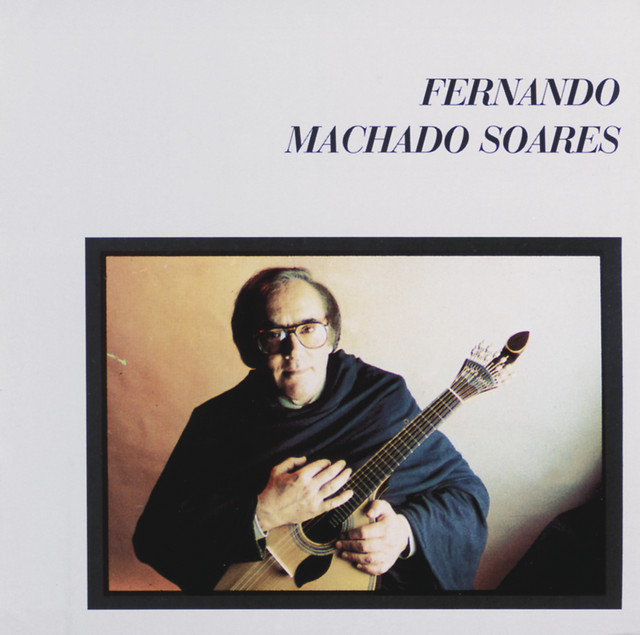
1988
Fernando Machado Soares
Fernando Machado Soares
1994
Le Fado de Coimbra
Fernando Machado Soares
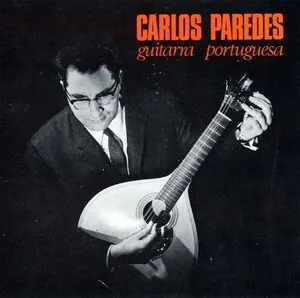
1967
Guitarra portuguesa
Carlos Paredes
2016
Marta Pereira da Costa
Marta Pereira da Costa
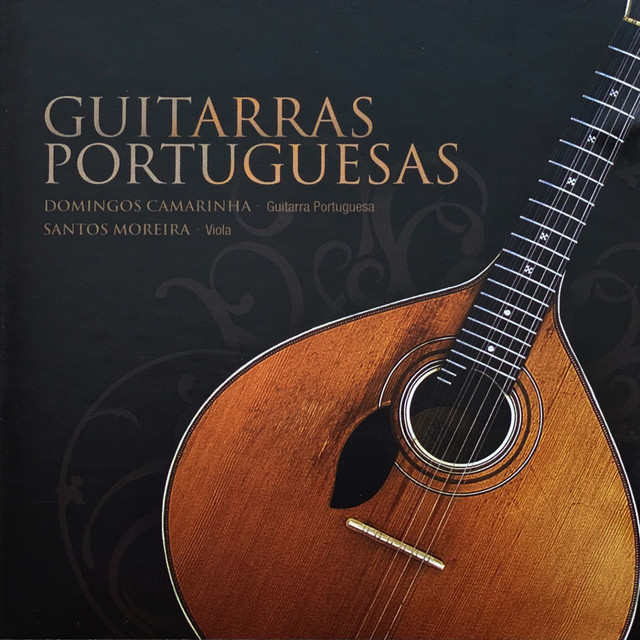
2013
Guitarras Portuguesas
Domingos Camarinha, Santos Moreira
2016
Guitarra Portuguesa por António, Paulo e Ricardo Parreira
António Parreira, Paulo Parreira, Ricardo Parreira
2014
Semente
Ricardo Silva
2012
InVentus
Custódio Castelo
2003
Memórias da Guitarra Portuguesa e a Guitarra do Século XVII
Pedro Caldeira Cabral
Download our mobile app
Get the Melodigging app and start digging for new genres on the go
Download on the App Store
Get it on Google Play
© 2026 Melodigging
Give feedback
Legal
Melodding was created as a tribute to
Every Noise at Once
, which inspired us to help curious minds keep digging into music's ever-evolving genres.