Genres
Artists
Albums
Make Music
Sign in
Sign in
Albums
By Diana Cîrlig
Albums
By Diana Cîrlig
Mandra-i Primavara Vietii
February 6, 2013
Listen
Genres
Muzica Maramureseana
Muzica maramureșeană is the traditional folk music of the historical Maramureș region in northern Romania, shaped by mountain pastoral life, village ritual, and a strong dance culture. It is immediately recognizable by the ceteră (fiddle) leading the melody in a highly ornamented, vocal‑like style, anchored by the rhythmic strumming of the zongoră (a local chordophone/guitar) and, at times, by small cimbalom (țambal mic), wooden flutes (fluier), and the long alpine horn (trâmbița). The style spans free‑rhythm song forms (doina/horea) and energetic, square or triple‑meter dance tunes (horă, învârtită, brâu, joc bătrânesc). Singing often uses heterophony (multiple voices ornamenting the same line differently) and calls/shouts (strigături) that punctuate dances. Seasonal male caroling (colinde) with archaic modal melodies and drone‑like supports is a hallmark of winter ceremonial life. Modal language is predominantly Dorian/Mixolydian (with occasional pentatonic inflections), melodies are narrow to moderate in range but richly inflected, and rhythm emphasizes lively 2/4 or 4/4 with syncopations as well as lilting 3/4 for certain dances. The repertoire functions socially—marking weddings, winter holidays, and communal gatherings—while preserving a distinctive Carpathian sound.
Discover
Listen
Muzica Ardeleneasca
Muzica ardelenească is the traditional folk music of Transylvania (Ardeal) in Romania. It is distinguished by robust, dance‑driven ensembles built around strings (lead fiddle/ceteră, braci/alto fiddle, and a percussive bass—often the gordună), joined in many areas by the taragot (a conical‑bore single‑reed instrument), clarinet, and shepherd flutes. Vocals feature powerful delivery, ornamental slides, and shouted interjections (strigături) that cue dancers and energize the room. Melodically the style favors modal scales (Dorian, Aeolian, and Mixolydian), frequent pentatonic turns in certain subregions (e.g., Kalotaszeg/Călata), and heterophonic textures where multiple voices ornament the same tune in parallel. Rhythms are predominantly duple and triple (2/4, 4/4, 3/4) with crisp off‑beats and bow articulations; iconic dances include învârtita (turning dance), hațegana, bătuta, joc bărbătesc/fecioreasca, and călușerul. Lyrics revolve around village life, courtship, weddings, heroic figures, pastoral imagery, and the Romanian affect of dor (longing).
Discover
Listen
Similar albums
2021
Haida, Hai La Maramu'!
Paul Ananie
2001
Așa beau oamenii buni
Ion Petreuș
1998
Dumitru Fărcaș - taragot, Vol. 1
Dumitru Fărcaş
2003
Dragu-mi-i la veselie
Gheorghe Turda
2010
Bună Ziua, Gazdă Aleasă!
Oana Tomoiaga
1999
Mociriță cu trifoi
Angela Buciu
1988
Noi suntem români / Doamne ocrotește-i pe români
Maria Butaciu
2018
Mândra Me La Dor Stăpâna
Ionuț Bledea, Diana Cârlig
2002
Pleacă oile la munte
Lucreția Ciobanu
2004
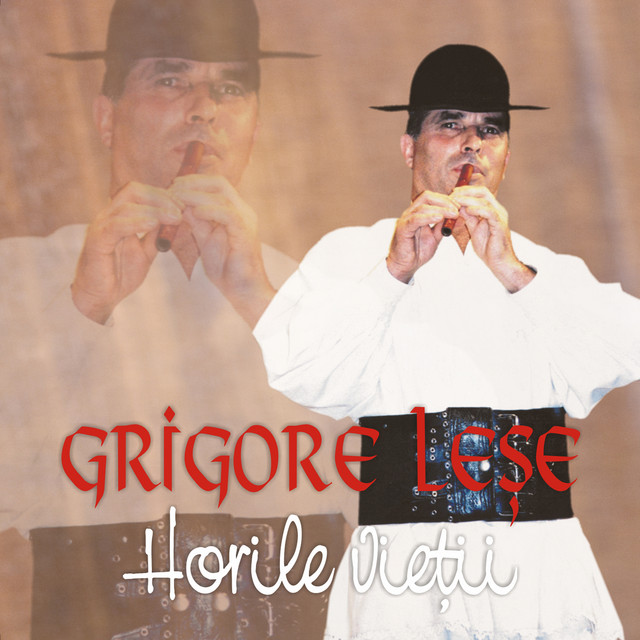
Horile Vietii
Grigore Leșe
Download our mobile app
Get the Melodigging app and start digging for new genres on the go
Download on the App Store
Get it on Google Play
© 2026 Melodigging
Give feedback
Legal
Melodding was created as a tribute to
Every Noise at Once
, which inspired us to help curious minds keep digging into music's ever-evolving genres.