Ethiopic music refers to music created by communities who speak Ethiopian Semitic languages (such as Amharic, Tigrinya, Tigre, Ge'ez, and Gurage languages). It spans sacred and secular traditions across Ethiopia (and contiguous Eritrean areas), unified by characteristic modal systems, vocal styles, and indigenous instruments.
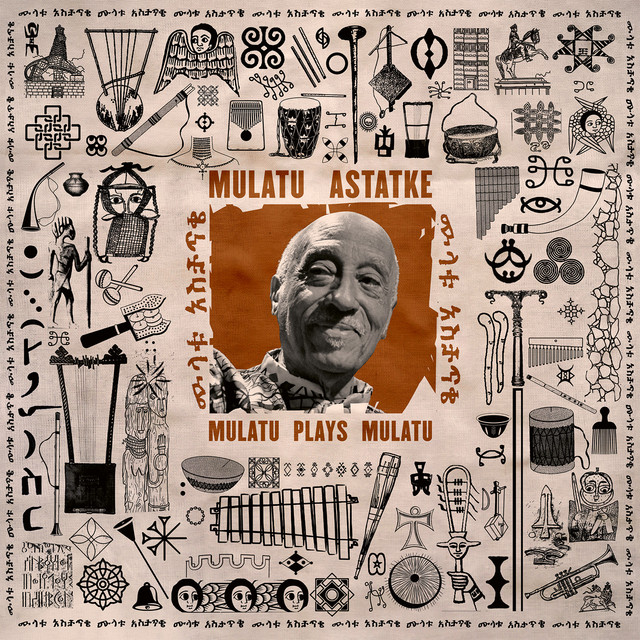
Its sound world is shaped by pentatonic modal frameworks (the qenet system: tizita, bati, ambassel, anchihoye), melismatic and responsorial singing, and distinctive timbres from instruments like the krar (lyre), masenqo (one‑string fiddle), begena (large lyre), washint (flute), and kebero (drum). The Ethiopian Orthodox liturgical chant (zema), traditionally attributed to Saint Yared, coexists with bardic azmari music, wedding repertoires, and modern urban styles that have incorporated brass, saxophone, and later guitar/keys.
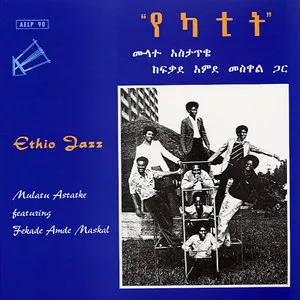
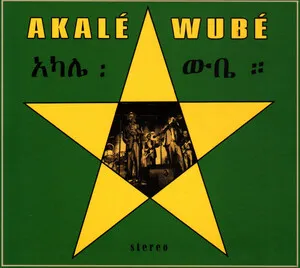
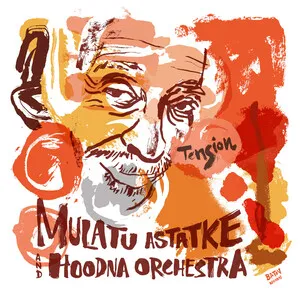
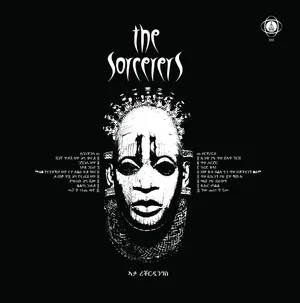
In the 20th century, Ethiopic music interfaced with jazz, soul, and funk to yield Ethio‑jazz, while Amharic and Tigrinya popular music flourished on radio and records. Today the tradition thrives both at home and in the diaspora, informing contemporary pop, hip hop, and electronic fusions while retaining its linguistic and modal identity.