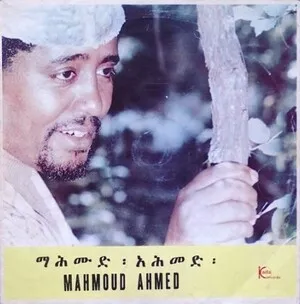
Northeastern African music is a broad regional umbrella encompassing the traditional and popular musics of the Horn of Africa and the Nile–Red Sea corridor—principally Ethiopia, Eritrea, Somalia, Djibouti, and Sudan (including Nubia). It is characterized by distinctive modal systems, asymmetric rhythms, and timbres shaped by both sub‑Saharan and Near Eastern/Arab musical cultures.
Core features include Ethiopian qenet modes (such as tezeta, bati, ambassel, and anchihoye), pentatonic and heptatonic scales, melismatic singing, and call‑and‑response textures. Instrumentation often blends ancient lutes and lyres (krar, begena, tanbūra), spike fiddles (masenqo), frame and kettledrums (kebero, dalūka), handclaps, and ululation with the oud (kaban), nay/ney, and, in modern styles, electric guitars, keyboards, and horn sections.
The result is a palette that can be both trance‑like and dance‑driving: ceremonial chants and zikr coexist with urban dance bands and ethio‑jazz, while language and poetry (Amharic, Tigrinya, Somali, Arabic, Oromo, Afar, Beja, and more) anchor the music to place and community.