Genres
Make Music
Artists
Albums
Challenges
Sign in
Sign in
Albums
By Malace Mizer
Albums
By Malace Mizer
Ma Cherie
August 26, 2025
Listen
1
/5
Genres
Visual Kei
Visual kei is a Japanese rock/metal-centered movement defined as much by its theatrical, gender-fluid visual presentation as by its sound. Bands employ elaborate makeup, dramatic hairstyles, flamboyant or gothic costumes, and stylized stagecraft to create a total art experience that fuses music and spectacle. Musically, visual kei spans hard rock, heavy/speed metal, punk/post-punk, new wave, and gothic influences, often blending melodic hooks with virtuosic guitar work, dynamic arrangements, and emotionally charged vocals. Lyrical themes commonly explore romance, decadence, existential angst, fantasy, and nostalgic longing, while arrangements may incorporate strings, synths, or piano for cinematic effect. Substyles like kote kei (early, heavier), Nagoya kei (darker, post-punk/goth-leaning), and later softer or pop-inflected variants illustrate its breadth and evolution.
Discover
Listen
Alternative Rock
Alternative rock is a broad umbrella for guitar-based rock that emerged from the independent and college-radio scenes as a counterpoint to mainstream, commercial rock. It blends the energy and ethos of punk with the textural and songwriting experiments of post-punk, new wave, jangle pop, and noise rock, often foregrounding introspective or socially aware lyrics. Across its many strains—from the melodic minimalism of college rock to the loud-quiet-loud dynamics of grunge and the artful experimentation of Radiohead-era modernism—alternative rock prioritizes authenticity, sonic individuality, and a do-it-yourself approach. Its sound ranges from chiming, chorus-laden clean guitars to abrasive distortion and feedback, supported by straightforward rock rhythms or off-kilter grooves, and production that can be either raw and live-sounding or polished yet unconventional.
Discover
Listen
Neo-Psychedelia
Neo-psychedelia is a late-20th-century revival and reinvention of 1960s psychedelic music aesthetics, filtered through post-punk, indie, and experimental sensibilities. It emphasizes hypnotic textures, droning guitars, heavy use of effects (reverb, delay, phasing), analogue organs/synths, and dreamlike or surreal lyricism. Rhythms may draw from motorik and other steady, trance-inducing grooves, while harmony often favors modal colors and repetitive vamps. The style ranges from jangly, melodic songs to dense, feedback-laden soundscapes, and has been highly influential on dream pop, shoegaze, Britpop-adjacent scenes, and modern psych rock.
Discover
Listen
Rock
Rock is a broad family of popular music centered on amplified instruments, a strong backbeat, and song forms that foreground riffs, choruses, and anthemic hooks. Emerging from mid‑20th‑century American styles like rhythm & blues, country, and gospel-inflected rock and roll, rock quickly expanded in scope—absorbing folk, blues, and psychedelic ideas—while shaping global youth culture. Core sonic markers include electric guitar (often overdriven), electric bass, drum kit emphasizing beats 2 and 4, and emotive lead vocals. Rock songs commonly use verse–chorus structures, blues-derived harmony, and memorable melodic motifs, ranging from intimate ballads to high‑energy, stadium‑sized performances.
Discover
Listen
Similar albums
1998
Puppet Show
Plastic Tree
1989
The Stone Roses
The Stone Roses
1997
The Mollusk
Ween
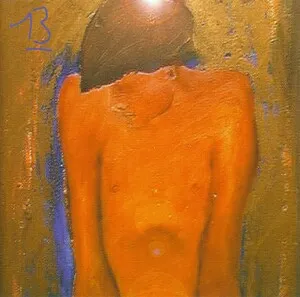
1999
13
Blur
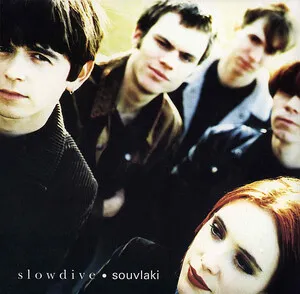
1994
Souvlaki
Slowdive
1991
Kurutta Taiyo 狂った太陽
BUCK-TICK
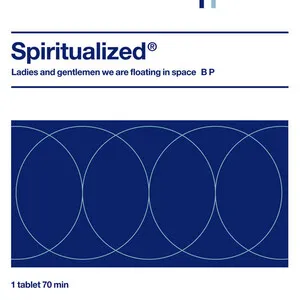
1997
Ladies and Gentlemen We Are Floating in Space
Spiritualized®
2022
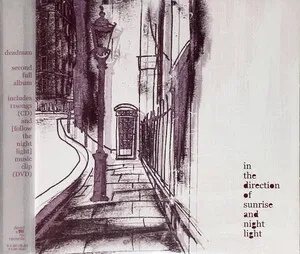
In the Direction of Sunrise and Night Light
Deadman
1997
Uchu Nippon Setagaya 宇宙 日本 世田谷
Fishmans
1996
Long Season
Fishmans
Download our mobile app
Get the Melodigging app and start digging for new genres on the go
Download on the App Store
Get it on Google Play
© 2026 Melodigging
Give feedback
Legal
Melodding was created as a tribute to
Every Noise at Once
, which inspired us to help curious minds keep digging into music's ever-evolving genres.