Genres
Artists
Albums
Make Music
Sign in
Sign in
Albums
By Aashish Khan
Albums
By Aashish Khan
Live in Los Angeles - 1968
2007
Listen
Genres
Sarod
Sarod refers to both the North Indian (Hindustani) classical repertoire played on the sarod and the instrumental idiom developed around the instrument itself. The sarod is a fretless, short‑necked, skin‑topped lute with a polished metal fingerboard, multiple sympathetic strings (tarab), and a bright, cutting tone distinct from the sitar. Typically fitted with 17–25 strings (4–6 main melody strings, 2–4 chikari/drone strings, and 9–15 sympathetic strings), it is plucked with a stiff plectrum (java) traditionally made from coconut shell or a modern synthetic. The absence of frets allows wide meend (glissando) and nuanced gamak (oscillation), making the sarod ideal for exploring raga microtonality and long, sculpted phrases. Performance follows Hindustani classical conventions: a contemplative alap, the pulse‑finding jod, the driving jhala, and one or more composed gats with tabla in talas such as teentaal, ektal, jhaptal, or rupak. Distinct gharanas (lineages)—notably the Senia Bangash/Gwalior, Shahjahanpur/Lucknow, and Maihar schools—shape repertoire, right‑hand stroke vocabularies, and ornament priorities.
Discover
Listen
Hindustani Classical
Hindustani classical is the North Indian branch of the Indian classical tradition, centered on the concepts of raga (melodic framework) and tala (cyclical rhythm). It emphasizes improvisation within strict aesthetic and grammatical boundaries, unfolding a raga through a gradual, architected performance arc from free-rhythm exploration to metrically grounded elaboration. Performances typically proceed through an alap (slow, non-metrical exposition), jor and jhala (rhythmic intensification on plucked instruments), and a composed piece—bandish or gat—set to a tala cycle, followed by improvisations (vistar, tans, bol-bant) that resolve emphatically on the sam (first beat). Signature ornaments such as meend (glides), gamak (oscillation), and andolan (slow vibrato) articulate microtonal nuance (shruti). The style encompasses vocal genres like dhrupad and khyal, and instrumental idioms on sitar, sarod, sarangi, bansuri, and shehnai, supported by a sustaining drone (tanpura) and tabla or pakhawaj accompaniment. Beyond the concert hall, Hindustani classical has deeply informed sub-classical and popular forms across South Asia and, through mid-20th-century cultural exchange, popular and art music worldwide.
Discover
Listen
Indian Classical
Indian classical music (Shastriya Sangeet / Mārga Sangeet) is the art-music tradition of the Indian subcontinent, organized around melodic frameworks called raga and cyclical meters called tala. It has two major streams: Hindustani music in the North, which foregrounds extended improvisation and raga exploration, and Carnatic music in the South, which is composition-centric with structured but highly sophisticated improvisation. A related eastern tradition is Odissi (from present-day Odisha), whose classical lineage spans roughly two millennia. Despite regional distinctions, these systems share common theoretical roots, performance aesthetics, and a spiritual-philosophical view of music as a vehicle for rasa (embodied aesthetic emotion).
Discover
Listen
Similar albums
Hide discovered
2011
Jugalbandi - II
Hariprasad Chaurasia, Ustaad Aashish Khan, Pandit Swapan Chaudhuri
2007
Golden Strings of the Sarode
Aashish Khan, Zakir Hussain
2011
Jugalbandi I
Hariprasad Chaurasia, Aashish Khan, Swapan Chaudhuri
1967
Young Master Of The Sarod
Ashish Khan & Alla Rakha
1968
California Concert
Ashish Khan & Alla Rakha
1967
Song of God: Bagavad Gita
Aashish Khan & Ravi Shankar
2007
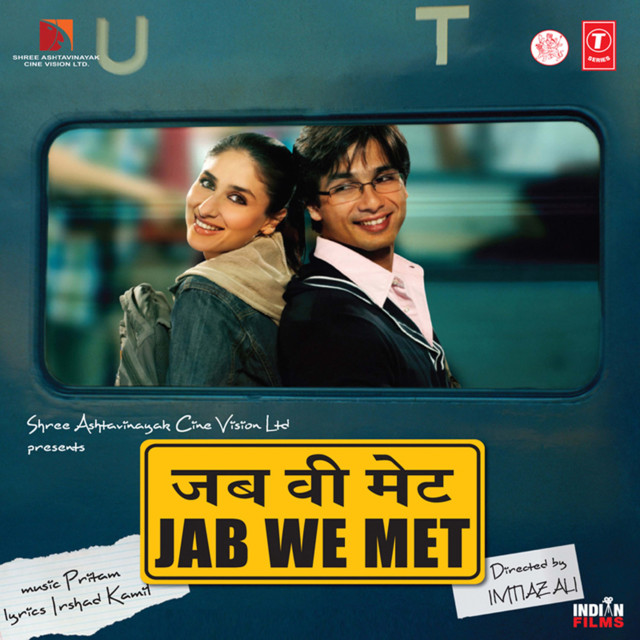
Jab We Met
Pritam
2012
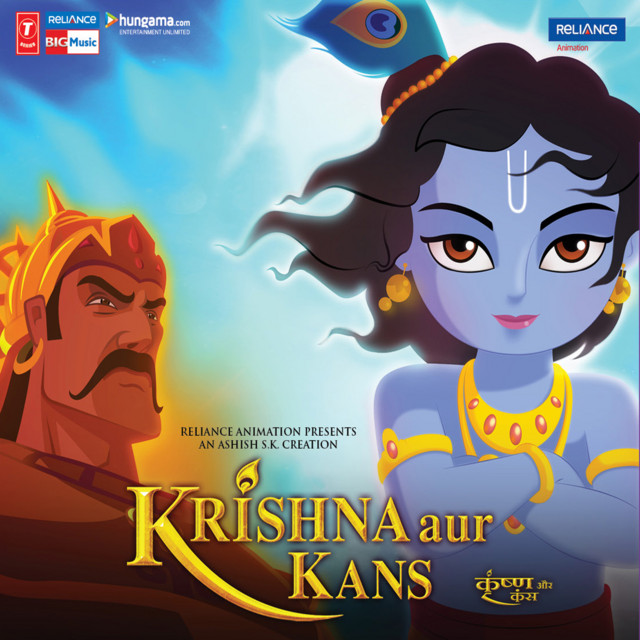
Krishna Aur Kans
Rakesh Chaurasia
2007
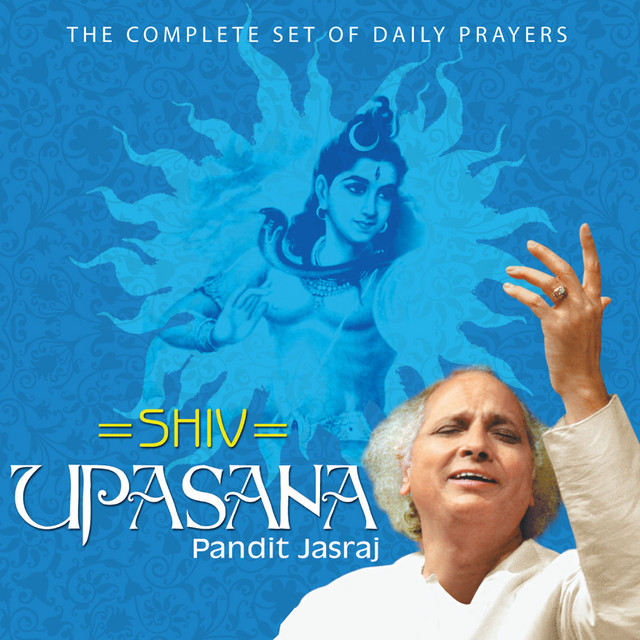
Shiv Upasana
Pandit Jasraj
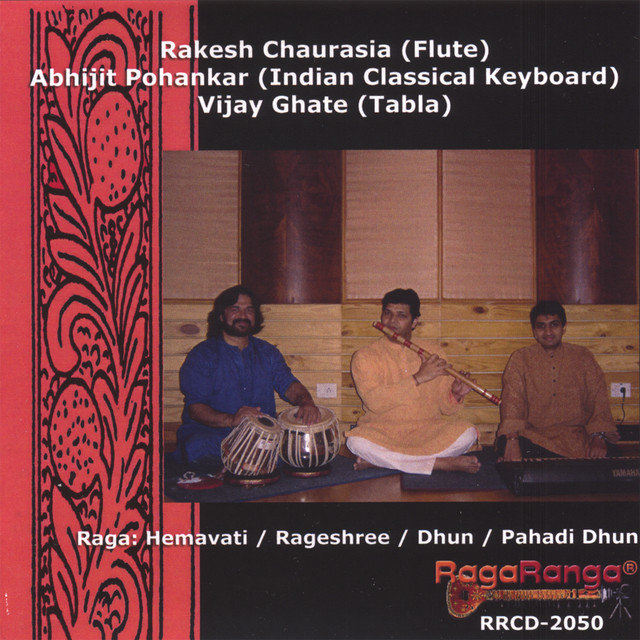
2006
Romantic Evening Ragas'
Rakesh Chaurasia
Download our mobile app
Get the Melodigging app and start digging for new genres on the go
Download on the App Store
Get it on Google Play
© 2026 Melodigging
Give feedback
About & FAQ
Legal
Melodding was created as a tribute to
Every Noise at Once
, which inspired us to help curious minds keep digging into music's ever-evolving genres.