Genres
Make Music
Artists
Albums
Challenges
Sign in
Sign in
Albums
By Nuova Compagnia Di Canto Popolare
Albums
By Nuova Compagnia Di Canto Popolare
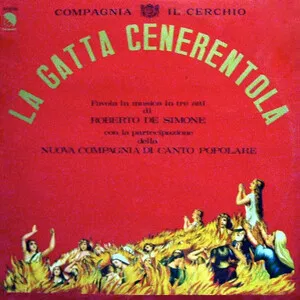
La gatta Cenerentola
January 1, 1998
Listen
2
/5
Genres
Operetta
Operetta is a light, theatrical form of musical drama that blends spoken dialogue with tuneful, dance-inflected numbers and comic plots. It favors memorable melodies, witty wordplay, and a buoyant orchestral palette over the heavy dramatic weight of grand opera. Emerging in mid-19th-century Paris and quickly flourishing in Vienna and beyond, operetta draws on popular dance rhythms (especially the waltz and march), satirical or romantic storylines, and clear, lyrical vocal writing. It serves as a bridge between opera and modern musical theatre, balancing classical technique with popular appeal.
Discover
Listen
Canzone Napoletana
Canzone napoletana (Neapolitan song) is a lyrical, melodically rich tradition from Naples, Italy, sung primarily in the Neapolitan language. It fuses folk street-song roots with operatic bel canto phrasing and salon/classical songcraft. Characterized by soaring vocal lines, emotive rubato, and memorable refrains, it often features themes of love, longing, the sea, and the city of Naples itself. Typical accompaniments include guitar, mandolin (with tremolo), piano, or small orchestra, supporting strophic or verse–refrain forms that spotlight the singer’s timbre and expression. Iconic standards such as “’O sole mio,” “Funiculì funiculà,” “Torna a Surriento,” and “Santa Lucia” became international calling cards for Italian vocalism, helping define the archetype of the tenor-led popular ballad.
Discover
Listen
Italian Folk Music
Italian folk music encompasses a mosaic of regional traditions that developed across the Italian peninsula and islands, each with distinct languages/dialects, instruments, dance rhythms, and vocal practices. While the roots reach far back, the repertoire and identity we recognize today were largely documented and consolidated from the 19th century onward. Characteristic elements include lively dance forms such as tarantella, pizzica, saltarello, and tammurriata; robust polyphonic traditions like Sardinia’s canto a tenore and Liguria’s trallalero; narrative stornelli and ballads; and ritual songs tied to the seasons, work, and devotion. Typical instruments are frame drums (tamburello/tammorra), diatonic accordion (organetto), Italian bagpipes (zampogna) with shawm (ciaramella), launeddas (Sardinia), chitarra battente, mandolin, and fiddle. Modal melodies, drones, and call-and-response vocals are common throughout. Beyond entertainment, the music historically served social and spiritual functions—from communal dance to religious processions and even the famous (and debated) "tarantism" healing rituals in the South. In modern times it thrives in both local festivities and the global world-music circuit.
Discover
Listen
Musical Theatre And Entertainment
Musical theatre and entertainment is an umbrella term for stage works that combine spoken drama with song, dance, comedy, and popular spectacle. It spans a range of formats—revue, vaudeville/variety, music hall, operetta, zarzuela, cabaret, and, later, the modern musical—that were designed first and foremost to delight broad public audiences. In theatre studies it is often treated as one of the four classical branches of the theater (alongside spoken drama, opera, and dance/ballet). Historically, it crystallized in Europe and the United States during the 19th century and flourished into the mid‑20th century, evolving in dialogue with popular music, dance fashions, and new technologies (from gas and electric lighting to film and radio).
Discover
Listen
European Folk Music
European folk music is an umbrella term for the traditional, community-based music practices of Europe, spanning ballads, dance tunes, ritual songs, and work songs passed down largely through oral transmission. It emphasizes local languages, modal melodies, and characteristic rhythms linked to social dances and seasonal customs. While many of its musical roots are older, the idea of “folk” as a category coalesced in the 19th century alongside nation-building, when collectors and scholars documented village repertoires and instruments. Today, European folk music encompasses both preserved regional traditions and living, evolving practices that continue to inform contemporary genres.
Discover
Listen
Italian Music
Italian music is the broad musical tradition and industry of Italy, spanning art, folk, sacred, and popular idioms. It is globally renowned for birthing opera, shaping instrumental forms such as the concerto and sonata, and cultivating a lyrical, melody‑forward aesthetic known through bel canto and the canzone tradition. From medieval chant and Renaissance polyphony to Baroque virtuosity and Romantic opera, Italian music has repeatedly defined international taste. In the 20th century it evolved through film scoring, singer‑songwriters (cantautori), and dance genres like Italo‑disco and Italo house, while regional folk styles (e.g., tarantella, Neapolitan song) remain central to its identity.
Discover
Listen
Similar albums
1980
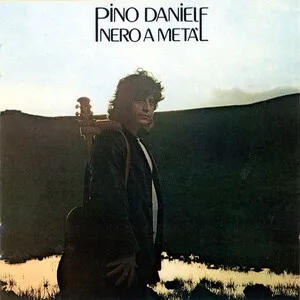
Nero a metà
Pino Daniele
1979
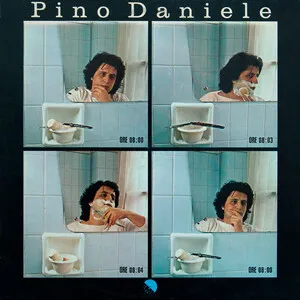
Pino Daniele
Pino Daniele
1981
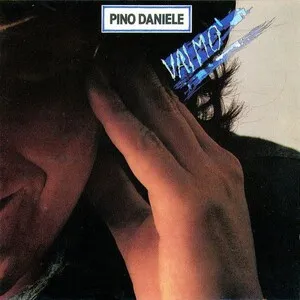
Vai mo'
Pino Daniele
2002
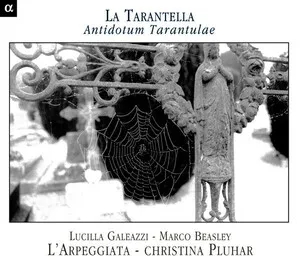
La tarantella: Antidotum tarantulae
L' Arpeggiata / Christina Pluhar / Lucilla Galeazzi / Marco Beasley
1979
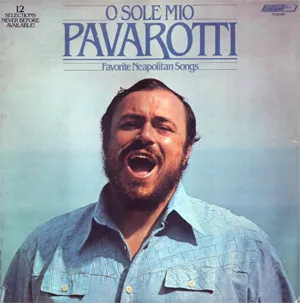
O sole mio: Favorite Neapolitan Songs
Eduardo Di Capua / Luciano Pavarotti
2002
Far finta di essere sani
Giorgio Gaber
1958
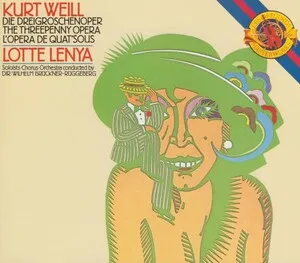
Die Dreigroschenoper
Kurt Weill / Wilhelm Brückner-Rüggeberg / Lotte Lenya
1973
Sempre
Gabriella Ferri
1983
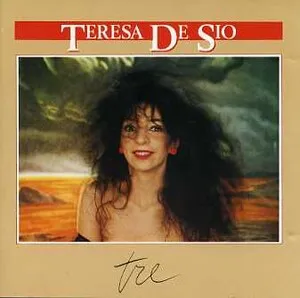
Tre
Teresa De Sio
2006
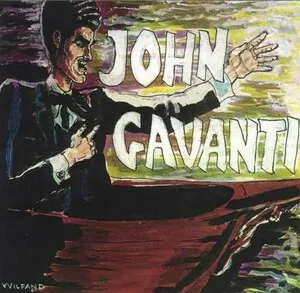
John Gavanti
John Gavanti
Download our mobile app
Get the Melodigging app and start digging for new genres on the go
Download on the App Store
Get it on Google Play
© 2026 Melodigging
Give feedback
Legal
Melodding was created as a tribute to
Every Noise at Once
, which inspired us to help curious minds keep digging into music's ever-evolving genres.