Genres
Make Music
Artists
Albums
Challenges
Sign in
Sign in
Albums
By Al Hirt
Albums
By Al Hirt
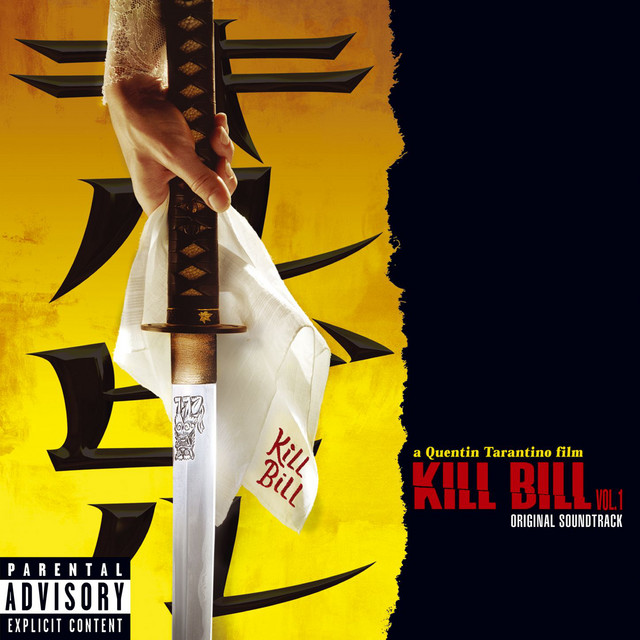
Kill Bill Vol. 1 Original Soundtrack (PA Version)
September 23, 2003
Listen
1
/5
Genres
Experimental Rock
Experimental rock is a broad, exploratory branch of rock music that prioritizes innovation over convention. It stretches rock’s core instrumentation and song forms through unusual timbres, extended techniques, nonstandard tunings, chance procedures, and studio-as-instrument production. Drawing on avant-garde composition, free jazz, minimalism, and electronic/tape music, experimental rock often rejects verse–chorus structures in favor of drones, suites, collage, and improvisation. It embraces dissonance and noise as expressive tools, employs odd or fluid meters, and incorporates non-rock instruments, found sounds, and unconventional recording methods. The result is a lineage of music that treats rock not as a fixed style but as a laboratory for new sound worlds.
Discover
Listen
Blues Rock
Blues rock is a guitar-driven style that fuses the raw feeling and 12‑bar structures of the blues with the power, volume, and rhythmic punch of rock. It emphasizes riff-based songs, pentatonic and blues-scale soloing, call‑and‑response between voice and guitar, and an expressive, often gritty vocal delivery. Typical ensembles are power trios (guitar, bass, drums) or quartet formats adding second guitar, keyboards, or harmonica, and performances commonly feature extended improvisation. Sonically, it favors overdriven tube-amp tones, sustained bends, vibrato, and dynamic contrasts, moving from shuffles and boogies to straight‑eighth rock grooves.
Discover
Listen
Folk Rock
Folk rock is a fusion genre that blends the narrative lyricism, modal melodies, and acoustic timbres of traditional folk with the backbeat, amplification, and song structures of rock. It typically pairs acoustic or traditional instruments (acoustic guitar, mandolin, fiddle) with a rock rhythm section (electric guitar, bass, drums), often featuring chiming 12‑string guitar textures, close vocal harmonies, and socially conscious or storytelling lyrics. The result ranges from intimate, reflective ballads with a steady backbeat to more anthemic, roots‑driven rock. Emerging in the mid‑1960s through artists such as Bob Dylan and The Byrds, folk rock became a gateway for traditional and roots materials to enter mainstream popular music, and it seeded later movements from country rock and Americana to jangle pop and modern indie folk.
Discover
Listen
Space Age Pop
Space age pop is a mid‑century style of highly produced “hi‑fi” lounge and easy listening that embraced postwar futurism, stereo spectacle, and exotic color. It blends plush orchestras, jazz harmonies, and Latin/"exotica" percussion with novel timbres such as vibraphone, celeste, theremin, ondes Martenot, and early electronic/echo effects. Arrangers focused on dazzling stereo staging, crisp percussion, and sparkling instrumental details meant to show off new home sound systems. Melodies are tuneful and sophisticated, harmonies are rich (9ths, 11ths, 13ths), and rhythms often draw from mambo, cha‑cha‑cha, and bossa‑tinged grooves. The mood ranges from dreamy and romantic to playful and futuristic—an aural image of the “Jet Age,” tiki bars, and optimistic science fiction.
Discover
Listen
Soundtrack
Soundtrack is music created to accompany and enhance visual media such as film, television, and video games. It includes original scores (instrumental or vocal music composed specifically for the picture) and, at times, curated compilations of pre-existing songs. Stylistically, soundtrack is a meta-genre that can encompass orchestral symphonic writing, jazz, electronic and synth-driven textures, choral forces, popular song, and experimental sound design. Its defining trait is functional storytelling: themes, motifs, harmony, rhythm, and timbre are shaped by narrative needs, character psychology, pacing, and editing. Common features include leitmotifs for characters or ideas, modular cues that can be edited to picture, dynamic orchestration for dramatic range, and production approaches that sit well under dialogue and sound effects. Because it must synchronize to picture, soundtrack often uses clear dramatic arcs, tempo maps, and hit points.
Discover
Listen
Dixieland
Dixieland is one of the earliest forms of jazz, crystallizing in New Orleans in the 1910s and spreading to Chicago and New York in the 1920s. It is characterized by collective improvisation, where the front line—trumpet or cornet carrying the melody, clarinet weaving countermelodies, and trombone providing "tailgate" harmonies and slides—creates a lively polyphonic texture over a buoyant two-beat feel. Its rhythm section often features banjo or piano, tuba or string bass, and drums playing parade-derived press rolls and stop-time figures. Harmonically it draws on functional tonality (I–IV–V with frequent secondary dominants), and structurally it favors 12-bar blues, 16-bar strains from ragtime, and 32-bar AABA song forms. Repertoire includes marches, blues, spirituals, popular songs, and Creole dances, rendered with a brassy, celebratory sound that evokes the New Orleans brass band tradition.
Discover
Listen
Similar albums
1994
Pulp Fiction (Music From The Motion Picture)
Chuck Berry
2006
Cars (Original Motion Picture Soundtrack)
James Taylor
2022
It's The Great Pumpkin, Charlie Brown (Original Soundtrack Recording)
Vince Guaraldi
2007
Into The Wild (Music For The Motion Picture)
Eddie Vedder
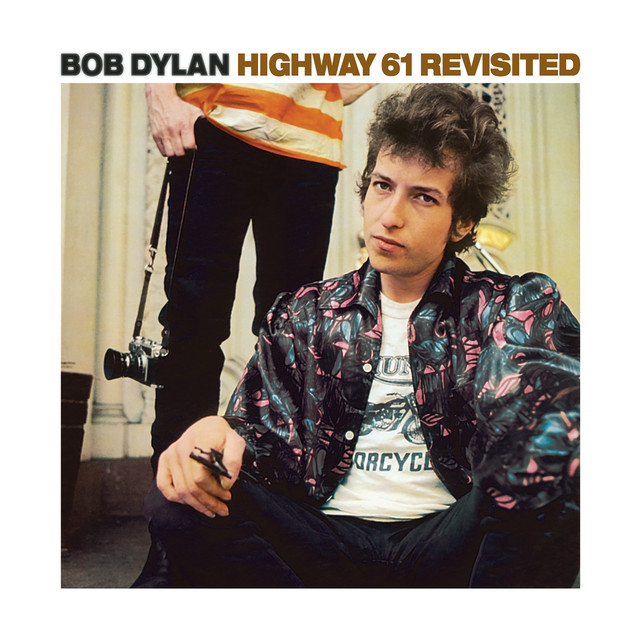
1965
Highway 61 Revisited
Bob Dylan
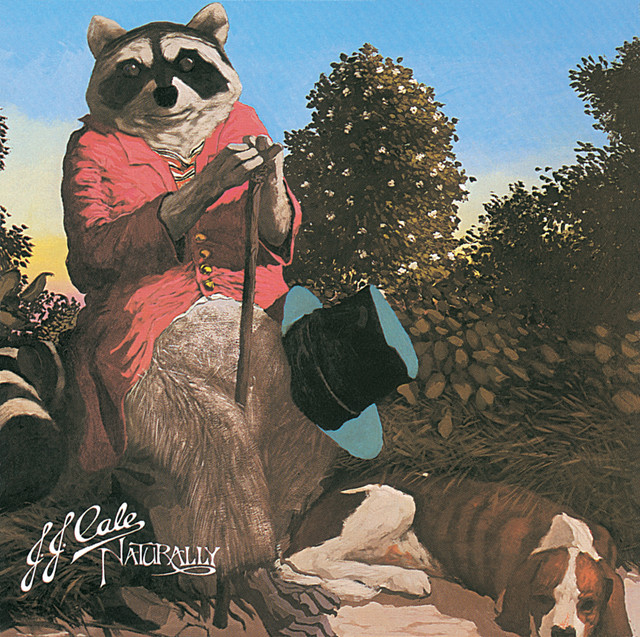
1972
Naturally
J.J. Cale
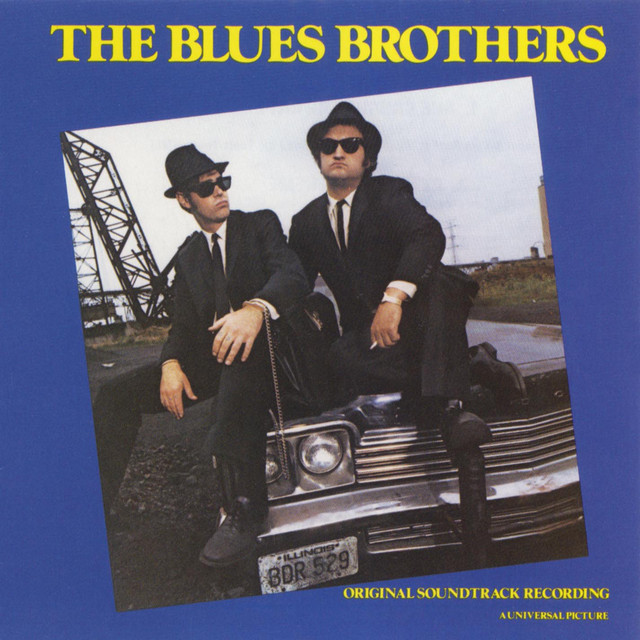
1980
The Blues Brothers Original Motion Picture Soundtrack
The Blues Brothers
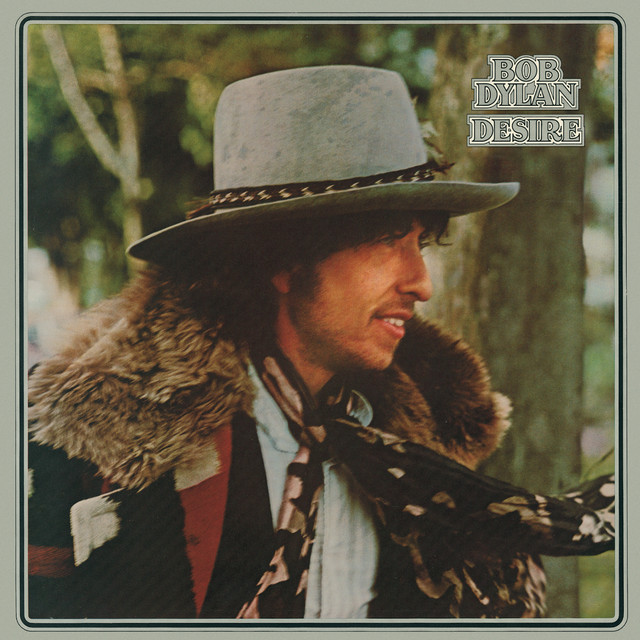
1976
Desire
Bob Dylan
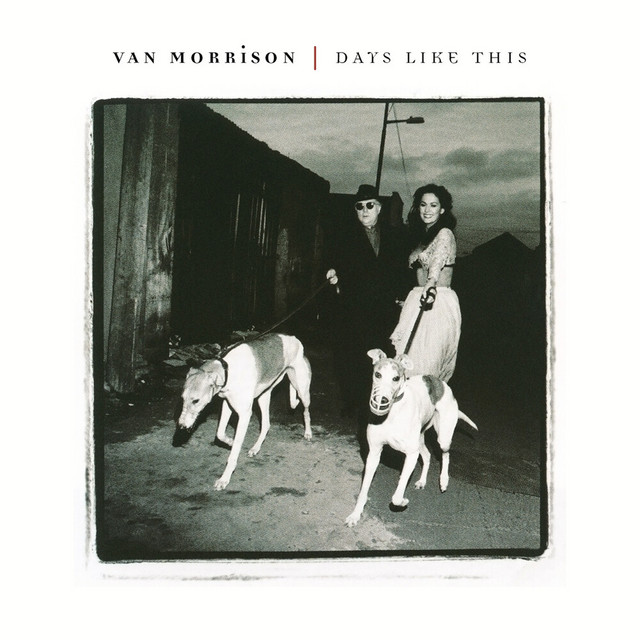
1995
Days Like This
Van Morrison
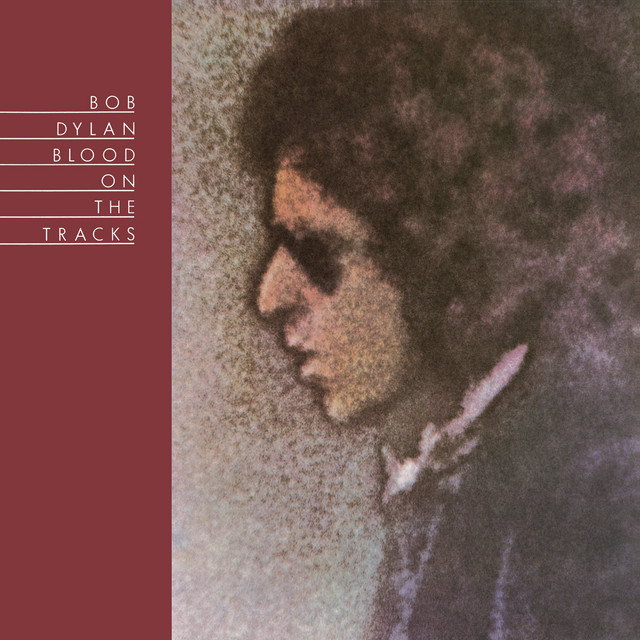
1975
Blood on the Tracks
Bob Dylan
Download our mobile app
Get the Melodigging app and start digging for new genres on the go
Download on the App Store
Get it on Google Play
© 2026 Melodigging
Give feedback
Legal
Melodding was created as a tribute to
Every Noise at Once
, which inspired us to help curious minds keep digging into music's ever-evolving genres.