Genres
Artists
Albums
Make Music
Sign in
Sign in
Albums
By Bill Laurance
Albums
By Bill Laurance
Keeping Company
October 31, 2024
Listen
Genres
Instrumental Jazz
Instrumental jazz is jazz music performed without a lead vocalist, placing the expressive focus on melody instruments, rhythm section interplay, and improvisation. It typically features a "head–solos–head" structure, where a composed theme frames spontaneously created solos. Harmonically, instrumental jazz is known for extended chords (9ths, 11ths, 13ths), ii–V–I cadences, modal harmony, and chromatic voice-leading. Rhythmically it draws on swing, syncopation, and groove-based feels from walking bass and ride-cymbal patterns to contemporary straight-8ths and odd meters. Ensembles range from intimate trios and quartets to large big bands, giving the style great timbral variety. By removing lyrics, instrumental jazz emphasizes timbre, phrasing, and interaction—how players listen and respond to one another—making it a showcase for improvisational storytelling and ensemble conversation.
Discover
Listen
Jazz
Jazz is an improvisation-centered music tradition that emerged from African American communities in the early 20th century. It blends blues feeling, ragtime syncopation, European harmonic practice, and brass band instrumentation into a flexible, conversational art. Defining features include swing rhythm (a triplet-based pulse), call-and-response phrasing, blue notes, and extended harmonies built on 7ths, 9ths, 11ths, and 13ths. Jazz is as much a way of making music—spontaneous interaction, variation, and personal sound—as it is a set of forms and tunes. Across its history, jazz has continually hybridized, from New Orleans ensembles and big-band swing to bebop, cool and hard bop, modal and free jazz, fusion, and contemporary cross-genre experiments. Its influence permeates global popular and art music.
Discover
Listen
Oud
Oud (al-ʿūd) is a short‑neck, fretless, pear‑shaped lute central to Arabic, Persian and Turkish musical traditions. Typically strung in double courses and plucked with a risha (plectrum), it produces a warm, resonant tone ideal for melodic ornamentation and modal improvisation (taqsīm). The European lute developed directly from the medieval Islamic oud. While sizes and tunings vary by region, common Arabic instruments use 5–6 courses (10–11 strings) and tunings that span the range of a guitar or lute; the lack of frets enables microtonal inflections required by maqām systems across the Middle East.
Discover
Listen
Similar albums
1957
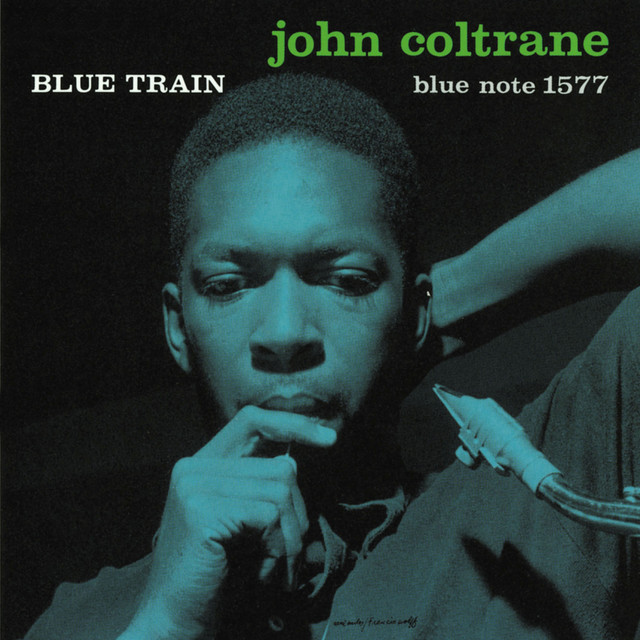
Blue Train
John Coltrane
1997
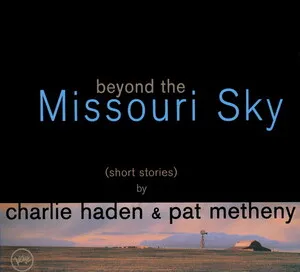
Beyond the Missouri Sky (Short Stories)
Charlie Haden & Pat Metheny
1961
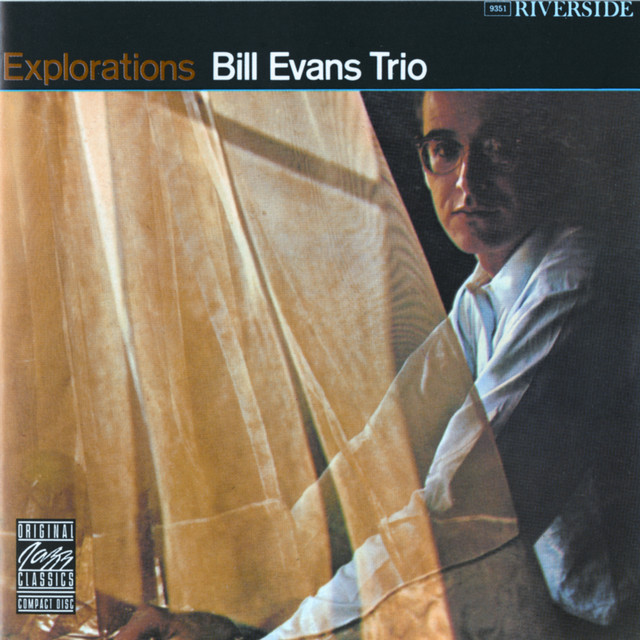
Explorations
Bill Evans Trio
2022
Horizons
Jasmine Myra
1957
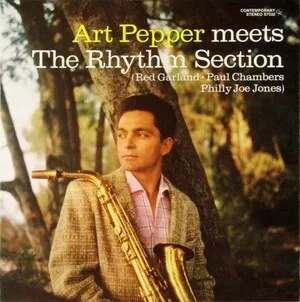
Art Pepper Meets the Rhythm Section
Art Pepper
1997
Ben Webster Meets Oscar Peterson
Ben Webster & Oscar Peterson
2025
Lumen
Bill Laurance
1958
Blue Train (Expanded Edition)
John Coltrane
2024
MoonDial
Pat Metheny
2025
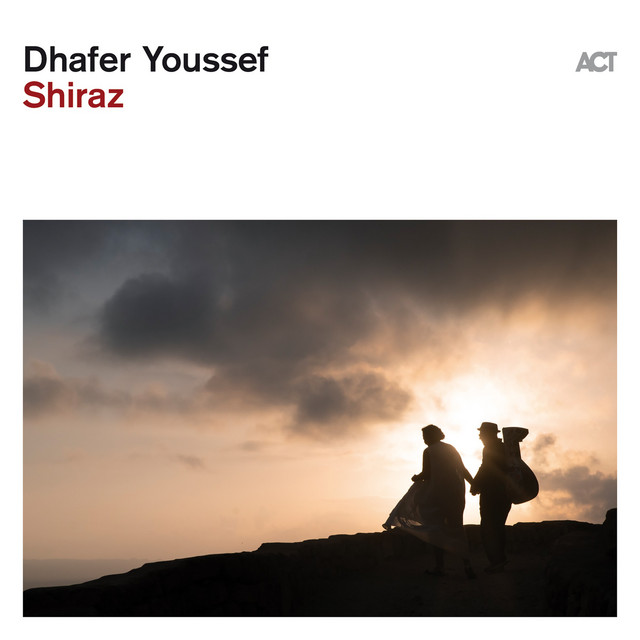
Shiraz
Dhafer Youssef
Download our mobile app
Get the Melodigging app and start digging for new genres on the go
Download on the App Store
Get it on Google Play
© 2026 Melodigging
Give feedback
Legal
Melodding was created as a tribute to
Every Noise at Once
, which inspired us to help curious minds keep digging into music's ever-evolving genres.