Genres
Make Music
Artists
Albums
Challenges
Sign in
Sign in
Albums
By David Grisman
Albums
By David Grisman
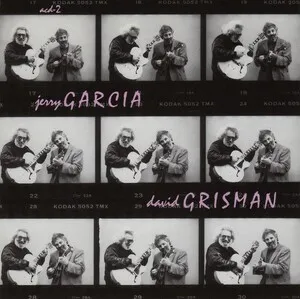
Jerry Garcia / David Grisman
August 1, 1991
Listen
1
/5
Genres
Progressive Bluegrass
Progressive bluegrass (often nicknamed “newgrass”) is a modernized branch of bluegrass that expands the music’s traditional acoustic palette with wider harmonic language, flexible song forms, and improvisation drawn from jazz, folk, rock, and contemporary country. While it preserves the high-energy drive, instrumental virtuosity, and acoustic instrumentation of classic bluegrass, progressive bluegrass is more open to non-traditional repertoire, extended solos, complex arrangements, and rhythmic experimentation (including odd meters and groove shifts). It frequently adapts songs from outside the bluegrass canon and emphasizes ensemble interplay, dynamic contrasts, and exploratory soloing.
Discover
Listen
Rock
Rock is a broad family of popular music centered on amplified instruments, a strong backbeat, and song forms that foreground riffs, choruses, and anthemic hooks. Emerging from mid‑20th‑century American styles like rhythm & blues, country, and gospel-inflected rock and roll, rock quickly expanded in scope—absorbing folk, blues, and psychedelic ideas—while shaping global youth culture. Core sonic markers include electric guitar (often overdriven), electric bass, drum kit emphasizing beats 2 and 4, and emotive lead vocals. Rock songs commonly use verse–chorus structures, blues-derived harmony, and memorable melodic motifs, ranging from intimate ballads to high‑energy, stadium‑sized performances.
Discover
Listen
Bluegrass
Bluegrass is a style of American roots music that coalesced in the Appalachian region in the 1940s around Bill Monroe and his Blue Grass Boys. It is defined by all‑acoustic instrumentation (typically fiddle, mandolin, 5‑string banjo, guitar, and upright bass, with dobro often added), virtuosic ensemble interplay, and a distinctive “high lonesome” lead vocal timbre supported by tight three‑part harmonies. Musically, bluegrass fuses African American blues and jazz phrasing with Anglo‑Celtic ballads and dance tunes. Hallmarks include driving tempos, syncopated 3‑finger banjo rolls (popularized by Earl Scruggs), off‑beat mandolin “chop” backbeats, boom‑chuck guitar rhythm, two‑beat bass, and alternating instrumental “breaks.” Repertoires mix breakdowns and fiddle tunes with narrative ballads, gospel numbers, and contemporary songwriter material.
Discover
Listen
Folk
Folk is a song-centered acoustic tradition rooted in community storytelling, everyday life, and social history. It emphasizes clear melodies, simple harmonies, and lyrics that foreground narrative, protest, and personal testimony. As a modern recorded genre, folk coalesced in the early-to-mid 20th century in the United States out of older ballad, work song, and rural dance traditions. It typically features acoustic instruments (guitar, banjo, fiddle, mandolin, harmonica), strophic song forms, and participatory singing (choruses, call-and-response).
Discover
Listen
Similar albums
2002
Uncle Charlie & His Dog Teddy
Nitty Gritty Dirt Band
2006
Shaken by a Low Sound
Crooked Still
2017
A Long Way From Your Heart
Turnpike Troubadours
2000
O Brother, Where Art Thou? (Original Motion Picture Soundtrack)
The Cox Family
2015
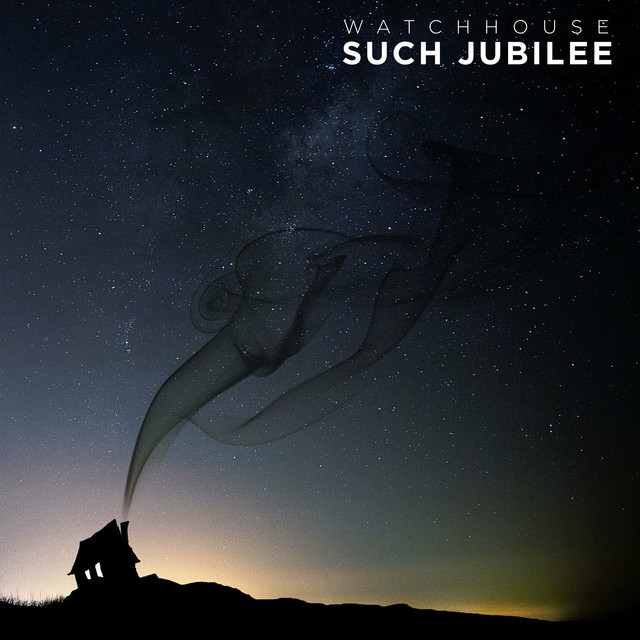
Such Jubilee
Watchhouse
2001
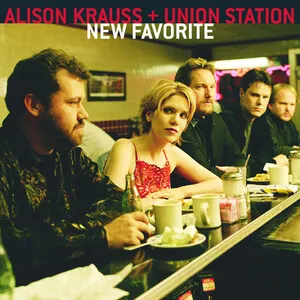
New Favorite
Alison Krauss and Union Station
2024
In the Age of Doubt
The Bridge City Sinners
2000
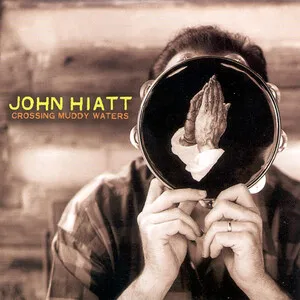
Crossing Muddy Waters
John Hiatt
2019
Here's to the Devil
The Bridge City Sinners
1979
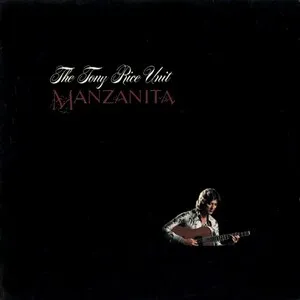
Manzanita
The Tony Rice Unit
Download our mobile app
Get the Melodigging app and start digging for new genres on the go
Download on the App Store
Get it on Google Play
© 2026 Melodigging
Give feedback
Legal
Melodding was created as a tribute to
Every Noise at Once
, which inspired us to help curious minds keep digging into music's ever-evolving genres.