Genres
Make Music
Artists
Albums
Challenges
Sign in
Sign in
Albums
By Karen Dalton
Albums
By Karen Dalton
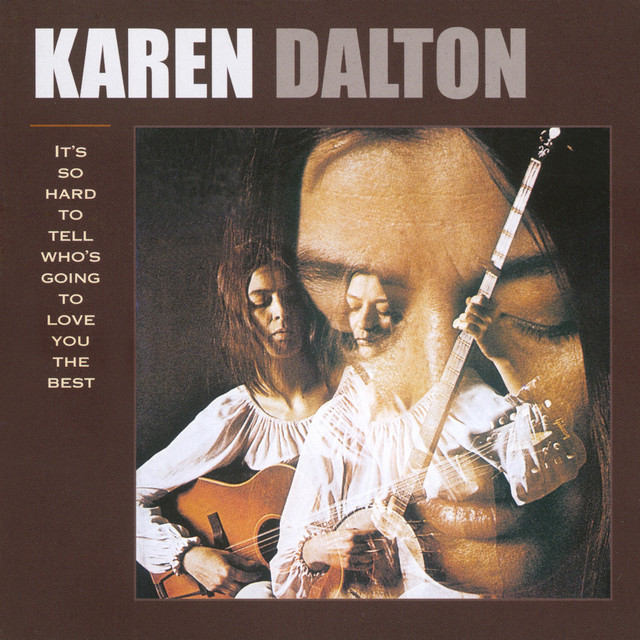
It's So Hard to Tell Who's Going to Love You the Best
January 1, 1969
Listen
3
/5
Genres
Drone Folk
Drone folk is a strand of experimental and acoustic folk in which sustained tones, open tunings, and modal repetition create a continuous sonic bed (a “drone”) around which melodies slowly evolve. Drawing on American Primitive guitar, raga-inspired modality, minimalist process, and psychedelic folk ambience, the style favors long-form pieces, subtle dynamic shifts, and rich overtones over conventional verse–chorus structures. Instruments are often acoustic (steel‑string guitar, lute, banjo, dulcimer), but bowed, prepared, or lightly amplified techniques—along with harmonium, shruti box, tanpura, and field recordings—are common, yielding a meditative, atmospheric character. Instead of harmonic motion through chord changes, drone folk focuses on a stable tonal center, micro-variations in fingerpicking patterns, and timbral detail. The result is a music that feels timeless and immersive: pastoral yet hypnotic, intimate yet expansive.
Discover
Listen
New Weird America
New Weird America (NWA) is a loosely defined early‑2000s U.S. movement that revived and mutated psychedelic and folk traditions through a DIY, experimental lens. It blends psych folk, free folk, drone, and outsider Americana with lo‑fi recording aesthetics, extended improvisation, and a surreal, pastoral sensibility. Rather than a strict genre, NWA describes a network of artists, collectives, and small labels who favored open tunings and acoustic timbres alongside noise, field recordings, tape hiss, and communal performance practices. The results range from intimate, childlike songs to sprawling trance‑drone ritual, all united by a fascination with the “old, weird” folk imaginary filtered through contemporary indie and experimental cultures.
Discover
Listen
Greenwich Village Scene
The Greenwich Village scene refers to the acoustic folk- and blues-centered singer‑songwriter movement that coalesced in the coffeehouses, clubs, and streets of Greenwich Village in New York City during the late 1950s and especially the early to mid‑1960s. Rather than a single strict musical genre, it was a fertile urban hub where traditional American folk, country blues, and topical songwriting converged. Artists favored intimate, lyric‑driven songs performed with acoustic guitar, unadorned vocals, and occasional harmonica, emphasizing storytelling, social commentary, and a direct connection with audiences. The scene’s clubs—Gerde’s Folk City, the Gaslight Café, Café Wha?, and Café Au Go Go—nurtured emerging writers who transformed folk traditions into contemporary protest, confessional, and narrative songs, laying the groundwork for the modern singer‑songwriter and the rise of folk rock.
Discover
Listen
Contemporary Folk
Contemporary folk is a modern evolution of traditional folk aesthetics centered on intimate storytelling, clear melodies, and largely acoustic instrumentation. It favors voice-forward production, fingerpicked or gently strummed guitars, and arrangements that leave space for lyrics to resonate. While rooted in older folk ballad traditions, contemporary folk embraces current themes, production values, and song forms. Artists often blend guitar, banjo, mandolin, fiddle, upright or electric bass, light percussion, and close vocal harmonies, creating a warm, organic sound. The genre frequently addresses personal reflection, social issues, place, memory, and identity, balancing timeless simplicity with contemporary sensibilities.
Discover
Listen
Country Blues
Country blues—also called rural blues or folk blues—is the earliest widely documented form of the blues, rooted in the everyday music-making of African Americans in the rural American South. It typically features a solo singer accompanying themselves on acoustic guitar, with flexible time, expressive vocal delivery, and abundant use of blue notes. While 12‑bar structures are common, country blues often stretches or compresses measures to fit the lyric, making phrasing elastic and conversational. Regional flavors emerged—Delta (driving, droning thumb bass and slide), Piedmont (ragtime‑inflected fingerpicking), and Texas (looser phrasing and single‑string leads)—but all share storytelling lyrics about work, travel, love, hardship, and spiritual longing.
Discover
Listen
Blues
Blues is an African American musical tradition defined by expressive "blue notes," call-and-response phrasing, and a characteristic use of dominant-seventh harmony in cyclical song forms (most famously the 12‑bar blues). It is as much a feeling as a form, conveying sorrow, resilience, humor, and hard-won joy. Musically, blues commonly employs the I–IV–V progression, swung or shuffled rhythms, and the AAB lyric stanza. Melodies lean on the minor/major third ambiguity and the flattened fifth and seventh degrees. Core instruments include voice, guitar (acoustic or electric), harmonica, piano, bass, and drums, with slide guitar, bends, and vocal melismas as signature techniques. Over time the blues has diversified into regional and stylistic currents—Delta and Piedmont country blues, urban Chicago and Texas blues, West Coast jump and boogie-woogie—while profoundly shaping jazz, rhythm & blues, rock and roll, soul, funk, and much of modern popular music.
Discover
Listen
Similar albums
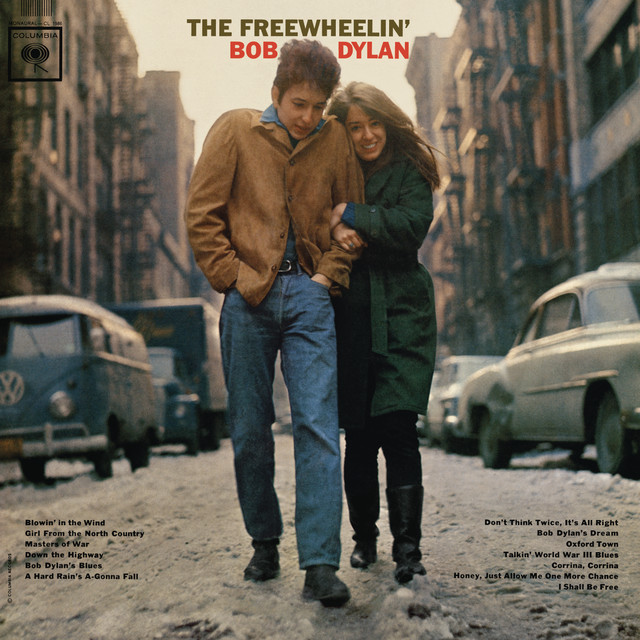
1963
The Freewheelin' Bob Dylan
Bob Dylan
1960
Joan Baez
Joan Baez
1964
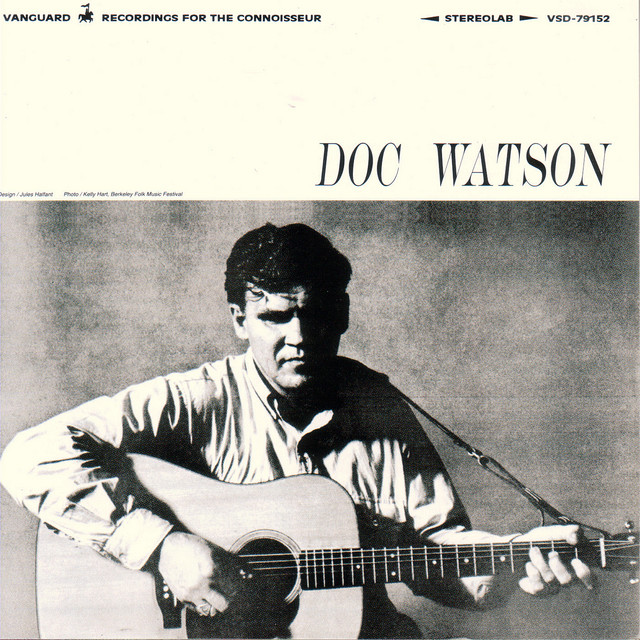
Doc Watson
Doc Watson
1965
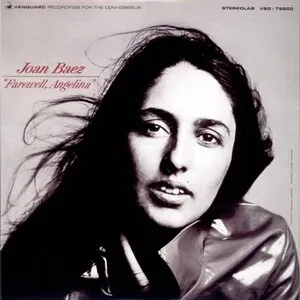
Farewell, Angelina
Joan Baez
2006
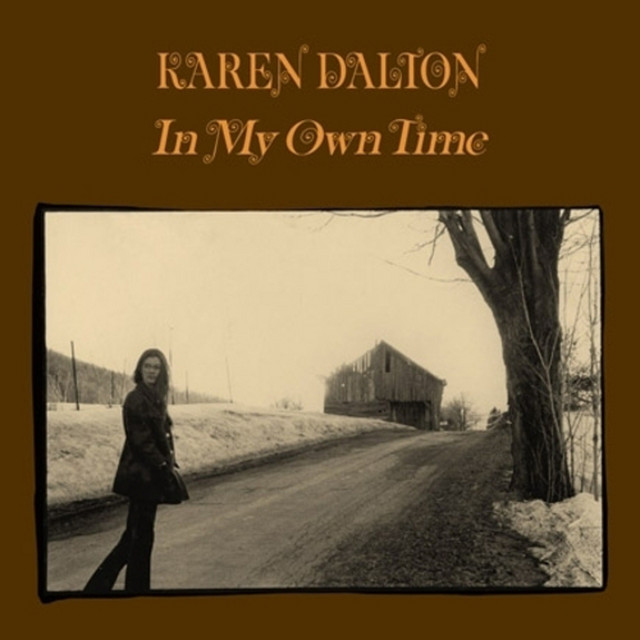
In My Own Time
Karen Dalton
1964
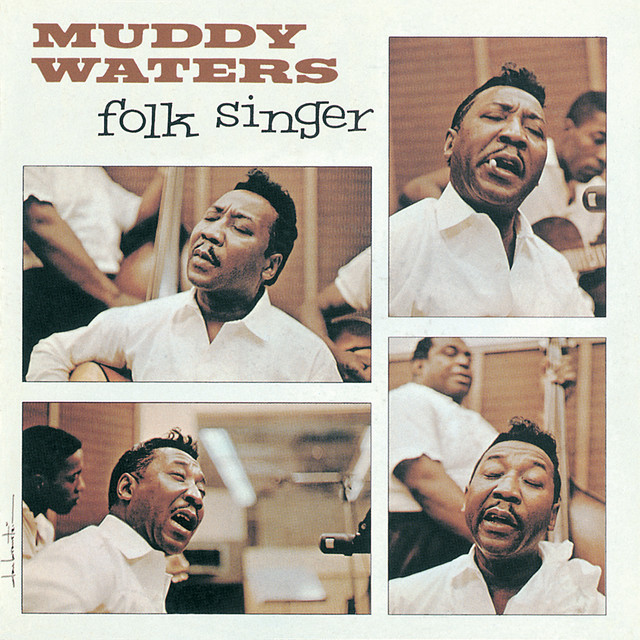
Folk Singer
Muddy Waters
1989
Folksongs and Instrumentals With Guitar
Elizabeth Cotten
1962
Folksinger
Dave Van Ronk
1965
I Ain't Marching Anymore
Phil Ochs
2025
TUDO É TUA GRAÇA (BLUES) - By SOM DA PALAVRA
SOM DA PALAVRA
Download our mobile app
Get the Melodigging app and start digging for new genres on the go
Download on the App Store
Get it on Google Play
© 2026 Melodigging
Give feedback
Legal
Melodding was created as a tribute to
Every Noise at Once
, which inspired us to help curious minds keep digging into music's ever-evolving genres.