Genres
Make Music
Artists
Albums
Challenges
Sign in
Sign in
Albums
By Dave Van Ronk
Albums
By Dave Van Ronk
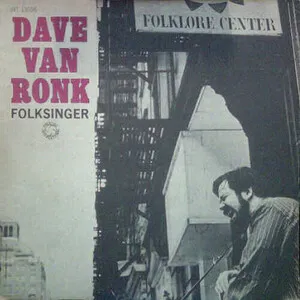
Folksinger
1962
Listen
3
/5
Genres
Greenwich Village Scene
The Greenwich Village scene refers to the acoustic folk- and blues-centered singer‑songwriter movement that coalesced in the coffeehouses, clubs, and streets of Greenwich Village in New York City during the late 1950s and especially the early to mid‑1960s. Rather than a single strict musical genre, it was a fertile urban hub where traditional American folk, country blues, and topical songwriting converged. Artists favored intimate, lyric‑driven songs performed with acoustic guitar, unadorned vocals, and occasional harmonica, emphasizing storytelling, social commentary, and a direct connection with audiences. The scene’s clubs—Gerde’s Folk City, the Gaslight Café, Café Wha?, and Café Au Go Go—nurtured emerging writers who transformed folk traditions into contemporary protest, confessional, and narrative songs, laying the groundwork for the modern singer‑songwriter and the rise of folk rock.
Discover
Listen
Contemporary Folk
Contemporary folk is a modern evolution of traditional folk aesthetics centered on intimate storytelling, clear melodies, and largely acoustic instrumentation. It favors voice-forward production, fingerpicked or gently strummed guitars, and arrangements that leave space for lyrics to resonate. While rooted in older folk ballad traditions, contemporary folk embraces current themes, production values, and song forms. Artists often blend guitar, banjo, mandolin, fiddle, upright or electric bass, light percussion, and close vocal harmonies, creating a warm, organic sound. The genre frequently addresses personal reflection, social issues, place, memory, and identity, balancing timeless simplicity with contemporary sensibilities.
Discover
Listen
Folk
Folk is a song-centered acoustic tradition rooted in community storytelling, everyday life, and social history. It emphasizes clear melodies, simple harmonies, and lyrics that foreground narrative, protest, and personal testimony. As a modern recorded genre, folk coalesced in the early-to-mid 20th century in the United States out of older ballad, work song, and rural dance traditions. It typically features acoustic instruments (guitar, banjo, fiddle, mandolin, harmonica), strophic song forms, and participatory singing (choruses, call-and-response).
Discover
Listen
Acoustic Blues
Acoustic blues is a family of blues styles performed on non-amplified instruments, most commonly solo voice with acoustic guitar and, at times, harmonica. It emphasizes raw, intimate timbres; elastic vocal phrasing; and guitar techniques such as fingerpicking, alternating-bass patterns, and bottleneck slide. Rooted in African American folk traditions of the U.S. South, acoustic blues typically favors small-scale, conversational performance practice—call-and-response between voice and guitar, expressive "blue notes," and lyrics in the AAB stanza form. Substyles include Delta blues (driving, slide-heavy), Piedmont blues (ragtime-influenced fingerpicking), and Texas blues (looser, narrative-driven playing).
Discover
Listen
Similar albums
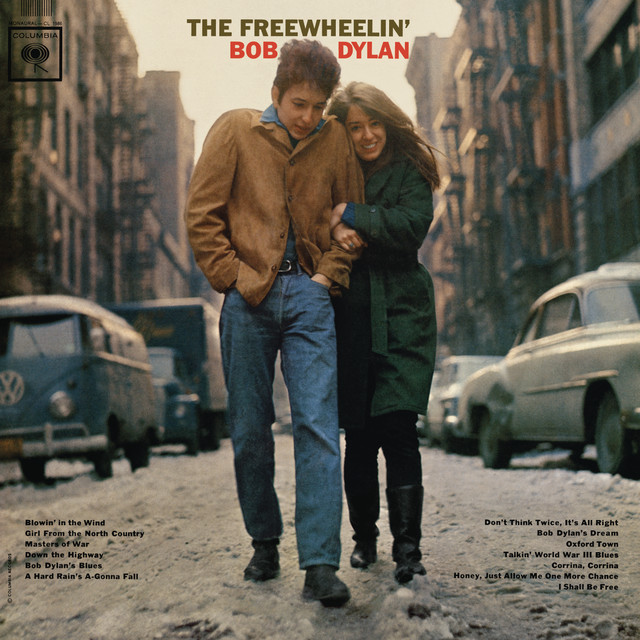
1963
The Freewheelin' Bob Dylan
Bob Dylan
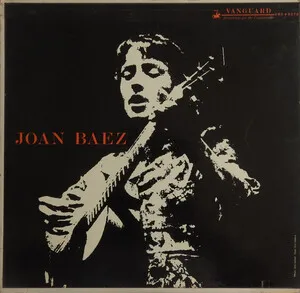
1960
Joan Baez
Joan Baez
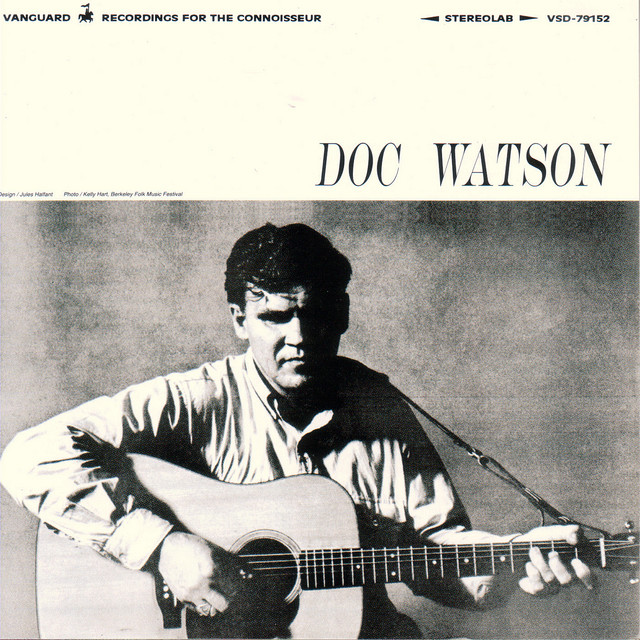
1964
Doc Watson
Doc Watson
1965
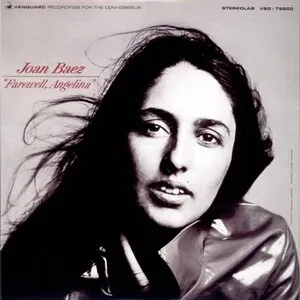
Farewell, Angelina
Joan Baez
1965
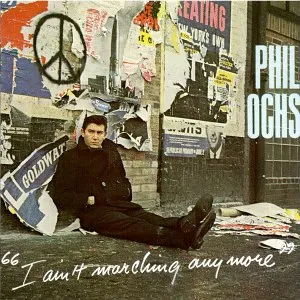
I Ain't Marching Anymore
Phil Ochs
1971
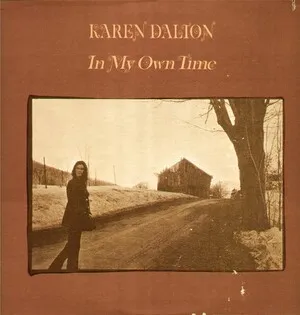
In My Own Time
Karen Dalton
2020
Songs
Adrianne Lenker
1970
Bridge Over Troubled Water
Simon and Garfunkel
2024
Heavy Metal
Cameron Winter
2022
Dragon New Warm Mountain I Believe in You
Big Thief
Download our mobile app
Get the Melodigging app and start digging for new genres on the go
Download on the App Store
Get it on Google Play
© 2026 Melodigging
Give feedback
Legal
Melodding was created as a tribute to
Every Noise at Once
, which inspired us to help curious minds keep digging into music's ever-evolving genres.