Genres
Make Music
Artists
Albums
Challenges
Sign in
Sign in
Albums
By Amiri Baraka
Albums
By Amiri Baraka
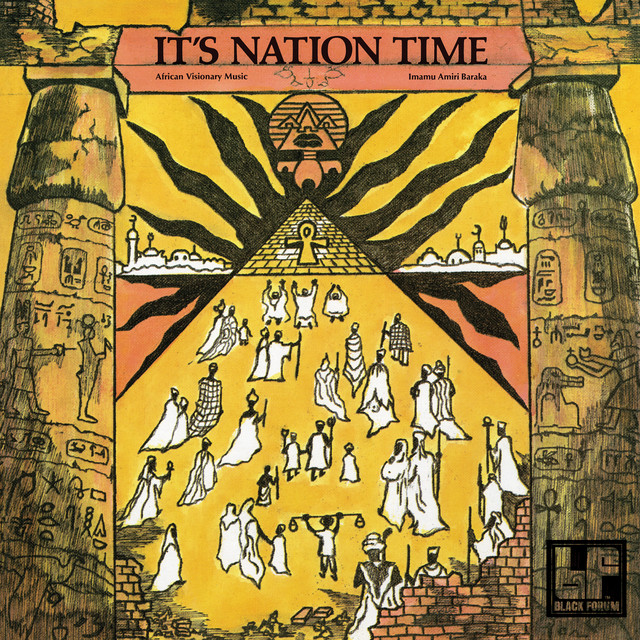
It's Nation Time
January 1, 1972
Listen
1
/5
Genres
Afrofuturism
Afrofuturism in music blends Black diasporic musical traditions with science-fiction, speculative history, and visions of liberated futures. It fuses the grooves of funk and soul, the harmonic adventurousness of jazz, and the synthetic timbres of electronic music with cosmic imagery, myth-making, and techno-utopian (and often techno-critical) narratives. Sonically, it favors analog and digital synthesizers, vocoders and talkboxes, spacey effects, hypnotic basslines, and polyrhythmic drumming that points back to African rhythmic logics. Lyrically and visually, it imagines alternate timelines, extraterrestrial migrations, underwater civilizations, and high-tech Black modernities as vehicles for cultural memory, self-determination, and critique.
Discover
Listen
Beat Poetry
Beat poetry is a performance-oriented strain of mid-20th-century American poetry associated with the Beat Generation and the postwar counterculture. It favors free verse, breath-length lines, spontaneous composition, vivid imagery, and frank treatment of sexuality, spirituality, drugs, and social alienation. In live settings it is often delivered rhythmically over or alongside jazz—especially bebop—adopting the cadence, syncopation, and improvisational ethos of small-combo jazz. Coffeehouses, bookstores, and club stages in San Francisco and New York were its primary incubators.
Discover
Listen
Poetry
Poetry (as a recorded genre) centers on the spoken or performed recitation of verse, foregrounding voice, diction, rhythm, and imagery over conventional song structure. Performances may be entirely unaccompanied or framed by sparse accompaniment such as piano, strings, jazz combos, drones, or subtle sound design. Unlike broader spoken word, which can include storytelling, monologues, and comedy, poetry recordings focus on literary verse—metered, rhymed, or free—delivered with attention to prosody and poetic form. Releases range from archival readings by canonical poets to contemporary performance sets recorded in studios, classrooms, libraries, and clubs. The listening experience often emphasizes intimacy and textual clarity: microphones capture breath, cadence, and silence, while arrangements (if any) remain secondary to the poem’s language and pacing.
Discover
Listen
Spoken Word
Spoken word is a performance-centered genre where text—poems, monologues, stories, or manifestos—is delivered aloud with musicality in voice rather than through singing. It may be entirely a cappella or accompanied by sparse instrumentation (often jazz combos, ambient textures, or minimal electronics) that frames the cadence and rhetoric of the performer. The emphasis is on language: prosody, pacing, imagery, and argument. Pieces often explore personal narratives, social critique, and political themes, drawing on techniques such as internal rhyme, alliteration, and repetition. While recordings exist, the tradition is fundamentally live, prioritizing immediacy, audience engagement, and oratorical presence.
Discover
Listen
Jazz Poetry
Jazz poetry is a performance-centered form of poetry that draws on the rhythm, phrasing, and improvisational spirit of jazz. It typically features spoken or recited verse delivered with the timing of a jazz soloist, often accompanied by a small ensemble (piano, bass, drums, and horns) or by a minimalist vamp. The language tends to be musical: syncopated, swung, and conversational, with spontaneous variations in tempo, timbre, and dynamics. Themes range from urban life and nightlife to social critique, love, and memory, frequently reflecting African American cultural experience and the club environments where the form developed. While it arose during the Harlem Renaissance, jazz poetry evolved alongside changing jazz idioms—absorbing bebop’s angularity, cool jazz’s restraint, and later, free jazz’s openness—making it a flexible bridge between literature and music.
Discover
Listen
Jazz
Jazz is an improvisation-centered music tradition that emerged from African American communities in the early 20th century. It blends blues feeling, ragtime syncopation, European harmonic practice, and brass band instrumentation into a flexible, conversational art. Defining features include swing rhythm (a triplet-based pulse), call-and-response phrasing, blue notes, and extended harmonies built on 7ths, 9ths, 11ths, and 13ths. Jazz is as much a way of making music—spontaneous interaction, variation, and personal sound—as it is a set of forms and tunes. Across its history, jazz has continually hybridized, from New Orleans ensembles and big-band swing to bebop, cool and hard bop, modal and free jazz, fusion, and contemporary cross-genre experiments. Its influence permeates global popular and art music.
Discover
Listen
Similar albums
1990
Dead City Radio
William S. Burroughs
2017
Irreversible Entanglements
Irreversible Entanglements
2020
Who Sent You?
Irreversible Entanglements
2021
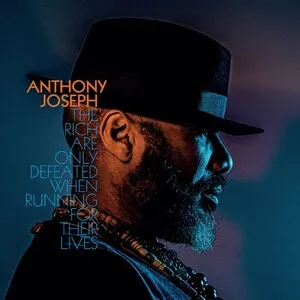
The Rich Are Only Defeated When Running for Their Lives
Anthony Joseph
1966
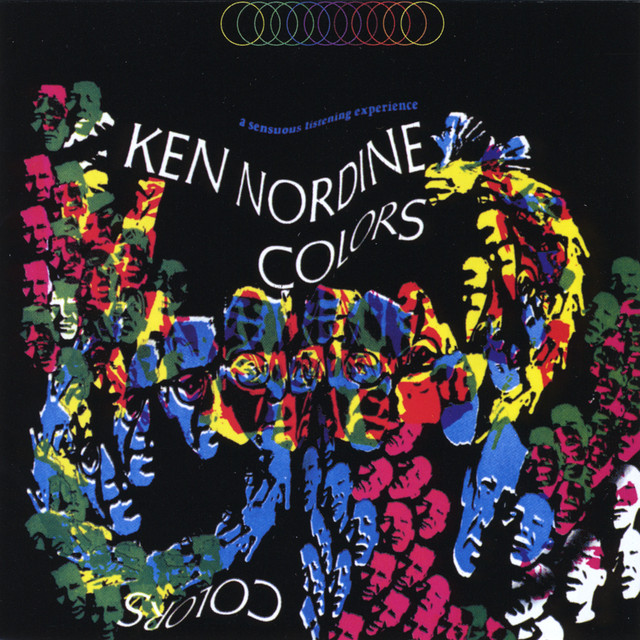
Colors
Ken Nordine
1993
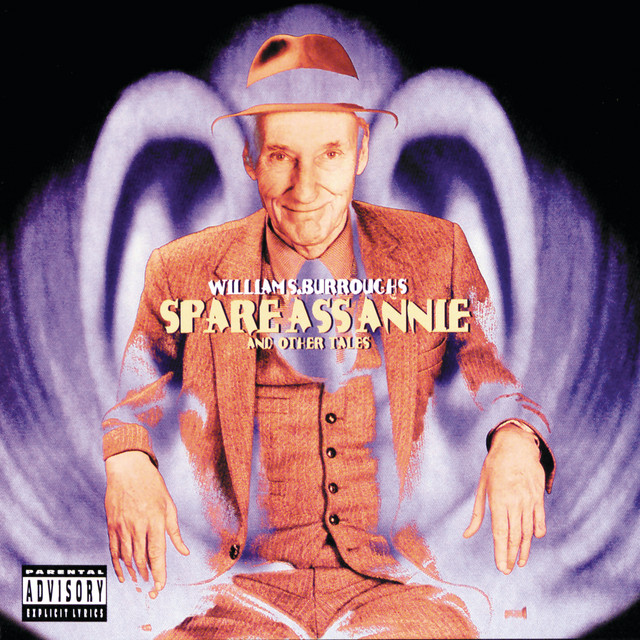
Spare Ass Annie and Other Tales
William S. Burroughs
2021
Open the Gates
Irreversible Entanglements
2005
Word Jazz
Ken Nordine & The Fred Katz Group
2011
Donde duele, inspira (2007-2011)
Rafael Lechowski & Glaç
2000
Mama's Gun
Erykah Badu
Download our mobile app
Get the Melodigging app and start digging for new genres on the go
Download on the App Store
Get it on Google Play
© 2026 Melodigging
Give feedback
Legal
Melodding was created as a tribute to
Every Noise at Once
, which inspired us to help curious minds keep digging into music's ever-evolving genres.