Genres
Make Music
Artists
Albums
Challenges
Sign in
Sign in
Albums
By The Everly Brothers
Albums
By The Everly Brothers
It's Everly Time
1960
Listen
3
/5
Genres
Pop
Pop is a broad, hook-driven style of popular music designed for wide appeal. It emphasizes memorable melodies, concise song structures, polished vocals, and production intended for radio, charts, and mass media. While pop continually absorbs elements from other styles, its core remains singable choruses, accessible harmonies, and rhythmic clarity. Typical forms include verse–pre-chorus–chorus, frequent use of bridges and middle-eights, and ear-catching intros and outros. Pop is not defined by a single instrumentation. It flexibly incorporates acoustic and electric instruments, drum machines, synthesizers, and increasingly digital production techniques, always in service of the song and the hook.
Discover
Listen
Rock
Rock is a broad family of popular music centered on amplified instruments, a strong backbeat, and song forms that foreground riffs, choruses, and anthemic hooks. Emerging from mid‑20th‑century American styles like rhythm & blues, country, and gospel-inflected rock and roll, rock quickly expanded in scope—absorbing folk, blues, and psychedelic ideas—while shaping global youth culture. Core sonic markers include electric guitar (often overdriven), electric bass, drum kit emphasizing beats 2 and 4, and emotive lead vocals. Rock songs commonly use verse–chorus structures, blues-derived harmony, and memorable melodic motifs, ranging from intimate ballads to high‑energy, stadium‑sized performances.
Discover
Listen
Rock And Roll
Rock and roll is a high-energy, dance-oriented popular music style that emerged in the United States in the early-to-mid 1950s. It fuses the 12‑bar blues and boogie‑woogie with the backbeat and instrumentation of rhythm & blues, the twang and storytelling of country, and the fervor of gospel. Its hallmark sound centers on a strong backbeat (accented on beats 2 and 4), driving rhythm sections, electric guitar riffs, prominent piano or saxophone leads, and catchy, chorus-forward songwriting. Typical harmonies revolve around I–IV–V progressions, often in 12-bar form, with swung or shuffle feels and punchy turnarounds. Culturally, rock and roll catalyzed a youth movement linked to dancing, teen identity, and social change. It bridged racial audiences by popularizing Black American musical traditions for mainstream listeners, and it laid the foundation for subsequent rock styles and much of modern pop.
Discover
Listen
Close Harmony
Close harmony (in the traditional country sense) is a duet style built on two voices singing in tight intervals—often thirds and sixths—so that the parts sit “close” within a narrow span, usually less than an octave. In country music, it became synonymous with brother duets: sibling pairs who sang in parallel or counter‑motion with nearly identical timbres, producing a seamless vocal blend. Typical accompaniment is sparse—most often one or two acoustic guitars, sometimes mandolin or fiddle—so the intertwined voices remain the focal point. The approach emphasizes direct, homespun storytelling about love, faith, rural life, and moral trials, drawing strongly from old‑time, gospel, shape‑note traditions, and barbershop, but rendered with a country lilt and back‑porch immediacy.
Discover
Listen
Traditional Country
Traditional country is a roots-oriented branch of country music that preserves the acoustic timbres, plainspoken storytelling, and danceable rhythms of early "hillbilly" and honky-tonk styles. It favors fiddles, acoustic and steel guitars, upright bass, and modest percussion, with melodies and harmonies grounded in Anglo-American folk, gospel, and blues. Songs typically revolve around everyday life—love, heartbreak, faith, work, and small-town or rural experience—delivered with an unadorned, emotive vocal style. As a practice and ethos, traditional country resists pop sheen and elaborate production, emphasizing live ensemble interplay, two-step and waltz feels, and concise verse–chorus forms. Its sound is closely associated with the Grand Ole Opry era, barn-dance radio, and mid‑century jukebox honky-tonks.
Discover
Listen
Similar albums
1960
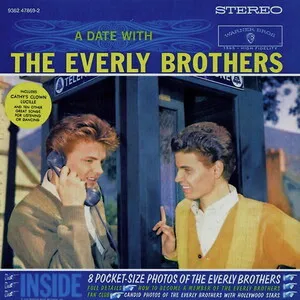
A Date With The Everly Brothers
The Everly Brothers
1958
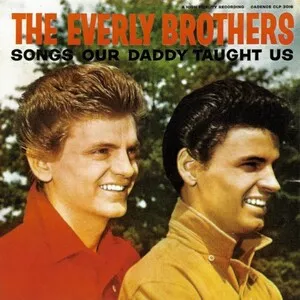
Songs Our Daddy Taught Us
The Everly Brothers
1961
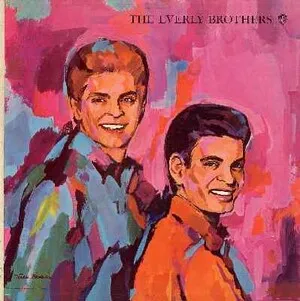
Both Sides of an Evening
The Everly Brothers
1966
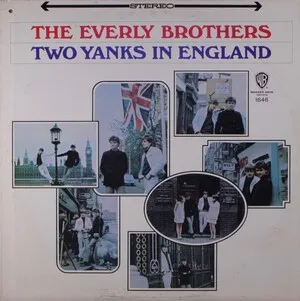
Two Yanks in England
The Everly Brothers
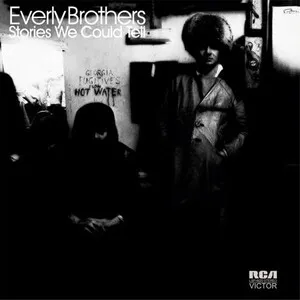
1972
Stories We Could Tell
The Everly Brothers
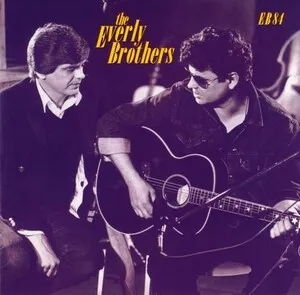
1984
EB 84
The Everly Brothers
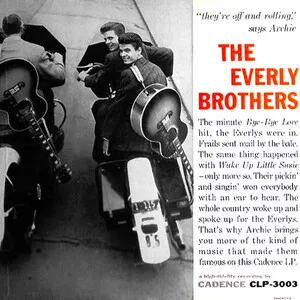
1958
The Everly Brothers
The Everly Brothers
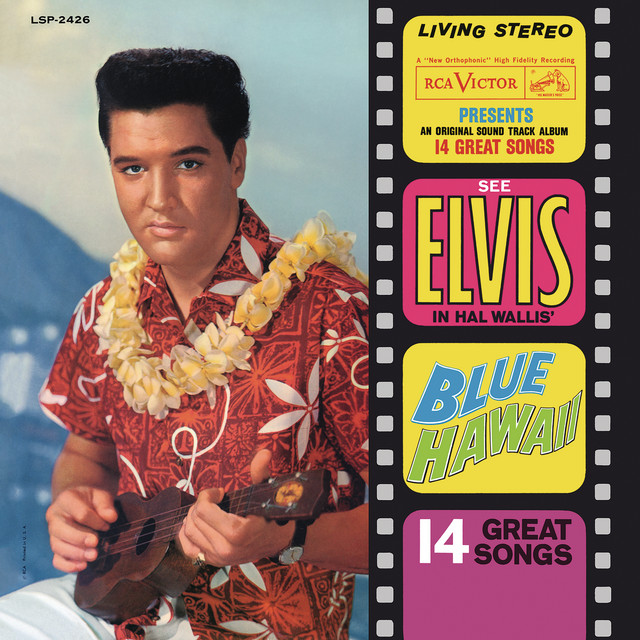
1961
Blue Hawaii
Elvis Presley
1973
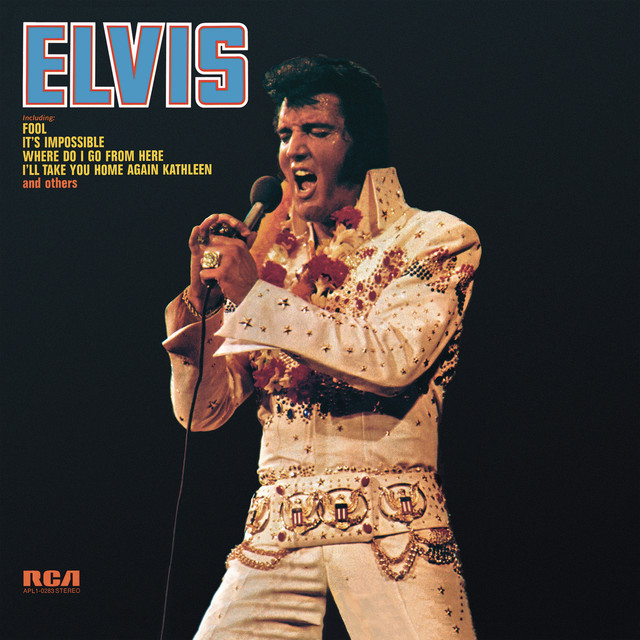
Elvis (Fool)
Elvis Presley
2002
Elvis 30 #1 Hits
Elvis Presley
Download our mobile app
Get the Melodigging app and start digging for new genres on the go
Download on the App Store
Get it on Google Play
© 2026 Melodigging
Give feedback
Legal
Melodding was created as a tribute to
Every Noise at Once
, which inspired us to help curious minds keep digging into music's ever-evolving genres.