Genres
Make Music
Artists
Albums
Challenges
Sign in
Sign in
Albums
By The Everly Brothers
Albums
By The Everly Brothers
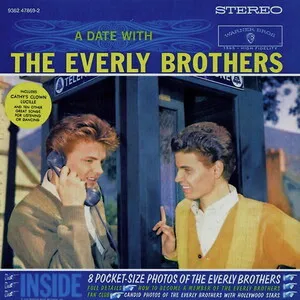
A Date With The Everly Brothers
1960
Listen
3
/5
Genres
Teen Pop
Teen pop is mainstream pop music tailored primarily to adolescent audiences, emphasizing catchy melodies, simple and relatable lyrics, and a polished, radio-ready sound. Sonically, it blends elements of dance-pop, R&B, bubblegum pop, and pop rock: bright synths or clean guitars, steady danceable beats, stacked vocal harmonies, and memorable hooks designed for quick recall. Lyrical themes center on first love, friendship, self-expression, school life, and empowerment, usually expressed in upbeat, optimistic terms. Visual presentation and choreography often play a large role, with acts marketed as relatable idols—frequently in the form of boy bands or girl groups. Arrangements commonly use verse–pre-chorus–chorus forms, key changes in the final chorus, and concise runtimes. The result is accessible, hook-driven pop that connects quickly with listeners and translates well to television, music video, and social media formats.
Discover
Listen
Brill Building
Brill Building is a style of polished, hook-driven pop music crafted by professional songwriting teams and producers centered around New York City’s Brill Building (1619 Broadway) and nearby 1650 Broadway in the late 1950s and early 1960s. It blends Tin Pan Alley songcraft with rhythm & blues grooves, doo-wop harmonies, and rock and roll energy, resulting in concise, radio-friendly singles often aimed at teen audiences. Typical traits include strong melodic hooks, AABA or verse–chorus forms, handclaps and backbeat-driven rhythms, lush arrangements with strings or horns, and lyrics that focus on young love, heartache, and aspiration. The "factory" model paired lyricists and composers, publishers, and producers with vocal groups or soloists, generating a steady stream of hits for artists like The Shirelles, The Drifters, The Crystals, and The Ronettes.
Discover
Listen
Pop
Pop is a broad, hook-driven style of popular music designed for wide appeal. It emphasizes memorable melodies, concise song structures, polished vocals, and production intended for radio, charts, and mass media. While pop continually absorbs elements from other styles, its core remains singable choruses, accessible harmonies, and rhythmic clarity. Typical forms include verse–pre-chorus–chorus, frequent use of bridges and middle-eights, and ear-catching intros and outros. Pop is not defined by a single instrumentation. It flexibly incorporates acoustic and electric instruments, drum machines, synthesizers, and increasingly digital production techniques, always in service of the song and the hook.
Discover
Listen
Rock And Roll
Rock and roll is a high-energy, dance-oriented popular music style that emerged in the United States in the early-to-mid 1950s. It fuses the 12‑bar blues and boogie‑woogie with the backbeat and instrumentation of rhythm & blues, the twang and storytelling of country, and the fervor of gospel. Its hallmark sound centers on a strong backbeat (accented on beats 2 and 4), driving rhythm sections, electric guitar riffs, prominent piano or saxophone leads, and catchy, chorus-forward songwriting. Typical harmonies revolve around I–IV–V progressions, often in 12-bar form, with swung or shuffle feels and punchy turnarounds. Culturally, rock and roll catalyzed a youth movement linked to dancing, teen identity, and social change. It bridged racial audiences by popularizing Black American musical traditions for mainstream listeners, and it laid the foundation for subsequent rock styles and much of modern pop.
Discover
Listen
Close Harmony
Close harmony (in the traditional country sense) is a duet style built on two voices singing in tight intervals—often thirds and sixths—so that the parts sit “close” within a narrow span, usually less than an octave. In country music, it became synonymous with brother duets: sibling pairs who sang in parallel or counter‑motion with nearly identical timbres, producing a seamless vocal blend. Typical accompaniment is sparse—most often one or two acoustic guitars, sometimes mandolin or fiddle—so the intertwined voices remain the focal point. The approach emphasizes direct, homespun storytelling about love, faith, rural life, and moral trials, drawing strongly from old‑time, gospel, shape‑note traditions, and barbershop, but rendered with a country lilt and back‑porch immediacy.
Discover
Listen
Traditional Country
Traditional country is a roots-oriented branch of country music that preserves the acoustic timbres, plainspoken storytelling, and danceable rhythms of early "hillbilly" and honky-tonk styles. It favors fiddles, acoustic and steel guitars, upright bass, and modest percussion, with melodies and harmonies grounded in Anglo-American folk, gospel, and blues. Songs typically revolve around everyday life—love, heartbreak, faith, work, and small-town or rural experience—delivered with an unadorned, emotive vocal style. As a practice and ethos, traditional country resists pop sheen and elaborate production, emphasizing live ensemble interplay, two-step and waltz feels, and concise verse–chorus forms. Its sound is closely associated with the Grand Ole Opry era, barn-dance radio, and mid‑century jukebox honky-tonks.
Discover
Listen
Similar albums
1960
It's Everly Time
The Everly Brothers
1958
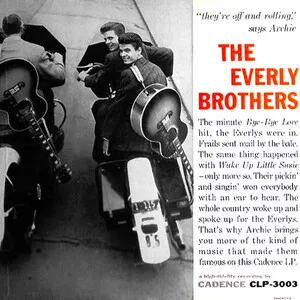
The Everly Brothers
The Everly Brothers
1963
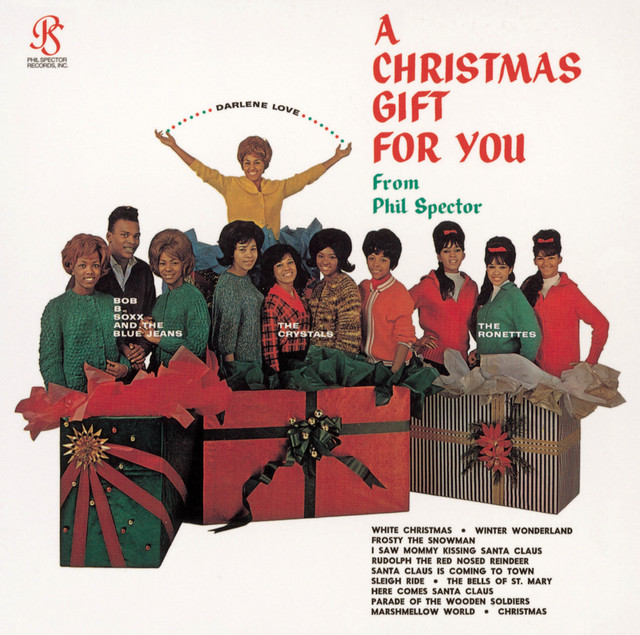
A Christmas Gift for You From Philles Records
1963
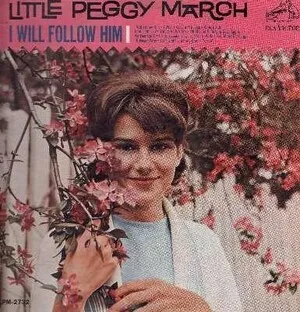
I Will Follow Him
Peggy March
1988
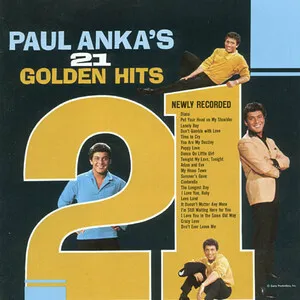
Paul Anka's 21 Golden Hits
Paul Anka
1958
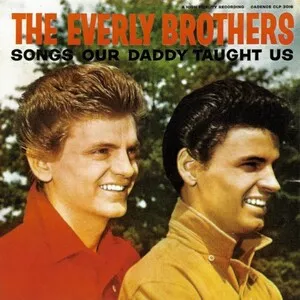
Songs Our Daddy Taught Us
The Everly Brothers
1964
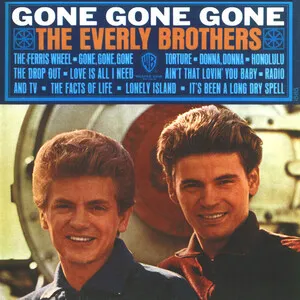
Gone, Gone, Gone
The Everly Brothers
1961
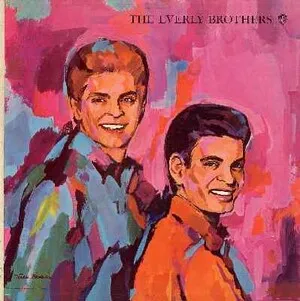
Both Sides of an Evening
The Everly Brothers
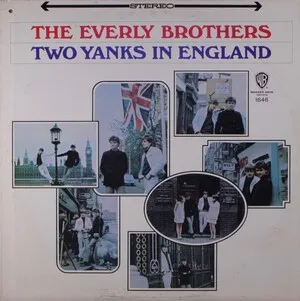
1966
Two Yanks in England
The Everly Brothers
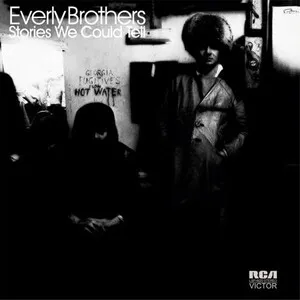
1972
Stories We Could Tell
The Everly Brothers
Download our mobile app
Get the Melodigging app and start digging for new genres on the go
Download on the App Store
Get it on Google Play
© 2026 Melodigging
Give feedback
Legal
Melodding was created as a tribute to
Every Noise at Once
, which inspired us to help curious minds keep digging into music's ever-evolving genres.