Genres
Artists
Albums
Make Music
Sign in
Sign in
Albums
By Gabriel Fauré
Albums
By Gabriel Fauré
Horizons II
April 29, 2022
Listen
Genres
Chamber Choir
A chamber choir is a small, highly flexible choral ensemble—typically 12 to 40 voices—designed for intimate spaces and precision ensemble singing. The balance is often "one to a part" or light divisi within the SATB (soprano–alto–tenor–bass) framework, enabling remarkable clarity, blend, and contrapuntal transparency. Repertoire spans Renaissance polyphony and Baroque motets through Romantic part-songs and contemporary choral works. Performances are frequently a cappella, though chamber choirs also collaborate with organ, piano, period ensembles, or small chamber orchestras. Hallmarks include refined intonation (often favoring pure intervals), detailed text declamation, wide dynamic control, and a strong focus on timbral blend and diction.
Discover
Listen
Classical Baritone
Classical baritone refers to the tradition of composing for and performing with the baritone male voice in Western classical music, spanning opera, art song (Lied), oratorio, and sacred repertoire. The baritone sits between tenor and bass, typically ranging from A2 to F4 (with role- and singer-dependent extensions). Its timbre is prized for warmth, nobility, and dramatic weight, making it ideal for heroes, anti-heroes, fathers, kings, and complex psychological roles in opera, as well as for intimate poetic expression in recital. The category solidified in the early 19th century with bel canto and Romantic opera, and has since developed into subtypes (lyric, Kavalierbariton, Verdi baritone, dramatic, and bass-baritone), each with distinct tessitura, color, and technical demands.
Discover
Listen
Requiem
A requiem is a musical setting of the Roman Catholic Mass for the Dead (Missa pro defunctis). Historically rooted in Latin liturgy, it sets movements such as the Introit, Kyrie, (historically) the Sequence Dies irae, Offertory, Sanctus, Agnus Dei, and Communion, and often includes additional responsories like Libera me and In paradisum. While the earliest requiems were monophonic chants, the genre became a showcase for polyphonic and later symphonic choral writing. Renaissance composers wrote austere, modal settings; Classical and Romantic composers expanded the forces and dramatic scope; and 20th–21st century composers reimagined the form with new languages, from neo-modal and impressionistic harmonies to avant‑garde sonorities. Today, requiems appear both in liturgy and as concert works, symbolizing collective mourning, remembrance, and spiritual reflection.
Discover
Listen
Similar albums
Hide discovered
2002
Requiem
Gabriel Fauré / César Franck
2024
for you, 親愛なる
requiem for you
2009
Roméo Et Juliette, Les enfants de Vérone
Choeurs de Radio France
1987
Requiem
Wolfgang Amadeus Mozart / Franz Xaver Süssmayr
1980
Die unendliche Geschichte
Michael Ende
1974
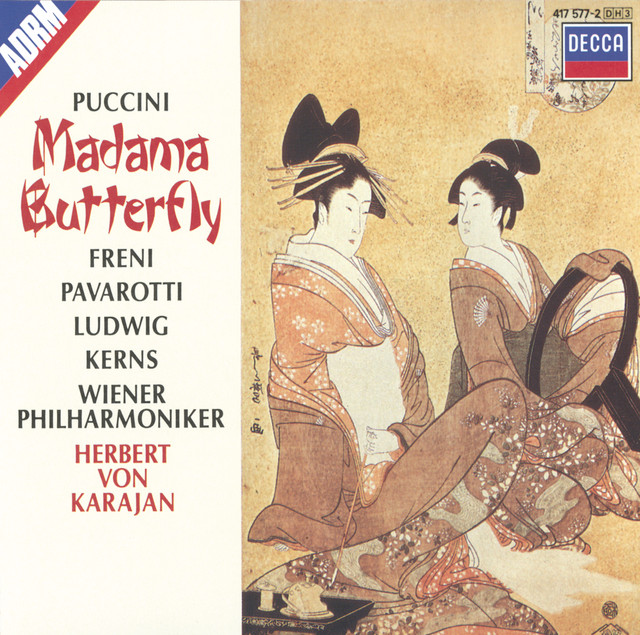
Madama Butterfly
Giacomo Puccini
1987
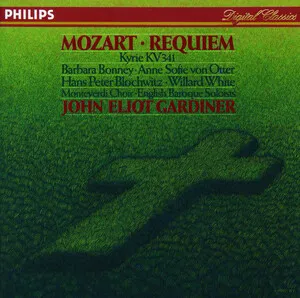
Requiem; Kyrie KV 341
Wolfgang Amadeus Mozart / Franz Xaver Süssmayr
1975
Momo
Michael Ende
2011
Rango Soundtrack
Herbert von Karajan
1998
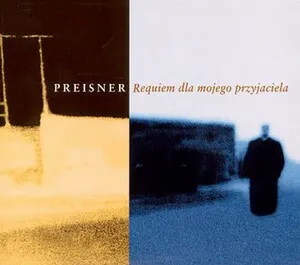
Requiem dla mojego przyjaciela
Zbigniew Preisner
Download our mobile app
Get the Melodigging app and start digging for new genres on the go
Download on the App Store
Get it on Google Play
© 2026 Melodigging
Give feedback
About & FAQ
Legal
Melodding was created as a tribute to
Every Noise at Once
, which inspired us to help curious minds keep digging into music's ever-evolving genres.