Genres
Make Music
Artists
Albums
Challenges
Sign in
Sign in
Albums
By Feuerschwanz
Albums
By Feuerschwanz
Highlander
February 8, 2024
Listen
1
/5
Genres
Medieval Metal
Medieval metal is a subgenre of folk metal that fuses the power and riff-driven weight of heavy metal with melodies, modes, and instruments associated with medieval and early modern European music. Centered largely in Germany—where it is known as Mittelalter-Metal or Mittelalter-Rock—the style features prominent use of hurdy-gurdy, bagpipes (Dudelsack), shawms/bombards, recorders, cittern/lute, nyckelharpa, and frame drums alongside distorted electric guitars, bass, and modern drum kits. Songs often draw on medieval dance rhythms (saltarello- or estampie-like pulses), modal melodies (Dorian, Aeolian, Mixolydian), and lyrics referencing legends, minstrelsy, battles, folk tales, and historical themes. Pioneered in the mid-to-late 1990s by bands such as Subway to Sally, In Extremo, and Schandmaul, the genre grew out of Germany’s Neo-Medieval movement and quickly established a vibrant live culture at medieval markets and major festivals.
Discover
Listen
Folk Metal
Folk metal blends the power and riff-driven intensity of heavy metal with melodies, instruments, scales, and storytelling traditions from regional folk music. Typical arrangements combine distorted guitars, bass, and drums with fiddles, flutes, whistles, bagpipes, accordions, hurdy-gurdies, bouzoukis, and other traditional instruments. Bands often draw on myth, history, and local folklore for lyrical themes, ranging from epic sagas and battle hymns to drinking songs and pastoral ballads. The style spans a spectrum from aggressive and blackened approaches to upbeat, danceable, and festive moods, making it one of metal’s most diverse and regionally distinctive subgenres.
Discover
Listen
Power Metal
Power metal is a fast, melodic, and anthemic branch of heavy metal that emphasizes uplifting melodies, soaring clean vocals, triumphant choruses, and virtuosic guitar and keyboard leads. Its lyrical focus often centers on fantasy, mythology, historical epics, and heroic narratives, aiming for a cinematic sense of grandeur. The genre coalesced in the mid-1980s from the speed and melody of NWOBHM and speed metal, then split into two recognizable strains: the more aggressive, riff‑driven U.S. power metal and the highly melodic, keyboard‑rich European style. Hallmarks include double‑bass drumming, harmonized twin‑guitar lines, neoclassical flourishes, and rousing sing‑along refrains designed for large audiences.
Discover
Listen
Folk Rock
Folk rock is a fusion genre that blends the narrative lyricism, modal melodies, and acoustic timbres of traditional folk with the backbeat, amplification, and song structures of rock. It typically pairs acoustic or traditional instruments (acoustic guitar, mandolin, fiddle) with a rock rhythm section (electric guitar, bass, drums), often featuring chiming 12‑string guitar textures, close vocal harmonies, and socially conscious or storytelling lyrics. The result ranges from intimate, reflective ballads with a steady backbeat to more anthemic, roots‑driven rock. Emerging in the mid‑1960s through artists such as Bob Dylan and The Byrds, folk rock became a gateway for traditional and roots materials to enter mainstream popular music, and it seeded later movements from country rock and Americana to jangle pop and modern indie folk.
Discover
Listen
Medieval
Medieval music refers to the diverse sacred and secular musical practices of Europe between the fall of the Western Roman Empire and the dawn of the Renaissance. It spans more than eight centuries, from early monophonic chant to the first notated polyphony. Core features include the use of church modes rather than major/minor, extensive reliance on vocal music (Latin sacred chant as well as vernacular song), and the progressive development from unmeasured chant to rhythmic modal notation and, later, mensural notation. Texture evolves from monophony (plainchant, troubadour songs) to organum, conductus, and the motet, culminating in complex isorhythmic works by the late 13th–14th centuries. Secular traditions—troubadours and trouvères in France, Minnesänger in German lands, and the Iberian Cantigas—coexisted with and influenced sacred practice. Instruments such as the vielle, harp, psaltery, recorder, shawm, hurdy-gurdy, and portative organ often doubled or accompanied voices, though much music remained purely vocal.
Discover
Listen
Similar albums
2022
Odins Raben
Bad Loverz, Saltatio Mortis, Saltatio Mortis, Blind Guardian, Saltatio Mortis,…
2026
Ich schrei deinen Namen in die Nacht
Saltatio Mortis
2025
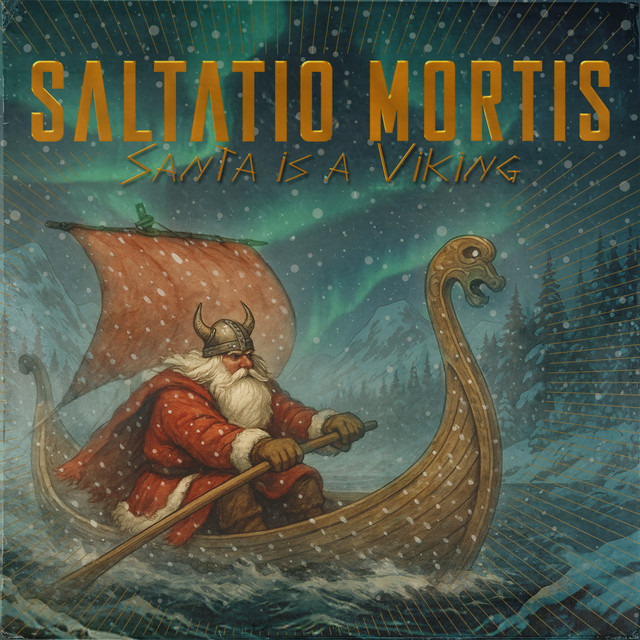
Santa is a Viking
Saltatio Mortis
2025
The Prodigal Ones
Eluveitie
2018
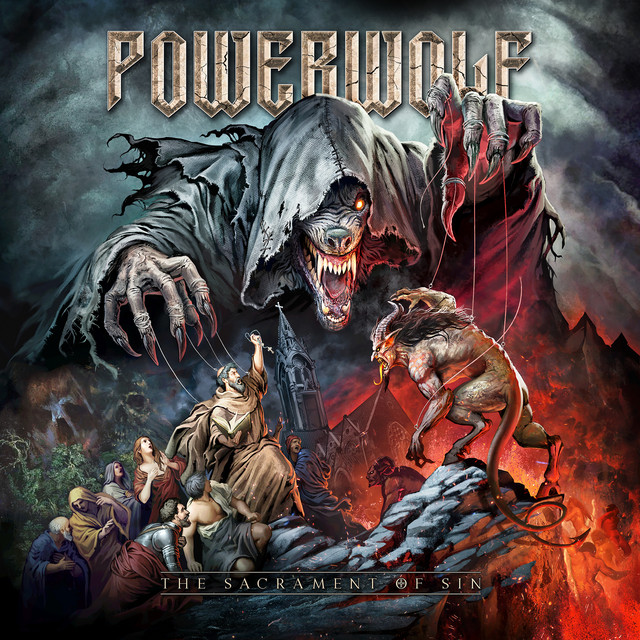
The Sacrament of Sin
Powerwolf
2020
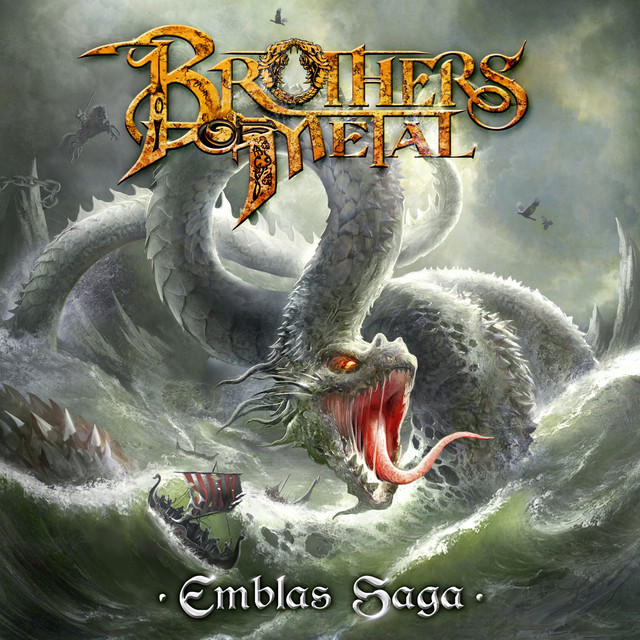
Emblas Saga
Brothers of Metal
2016
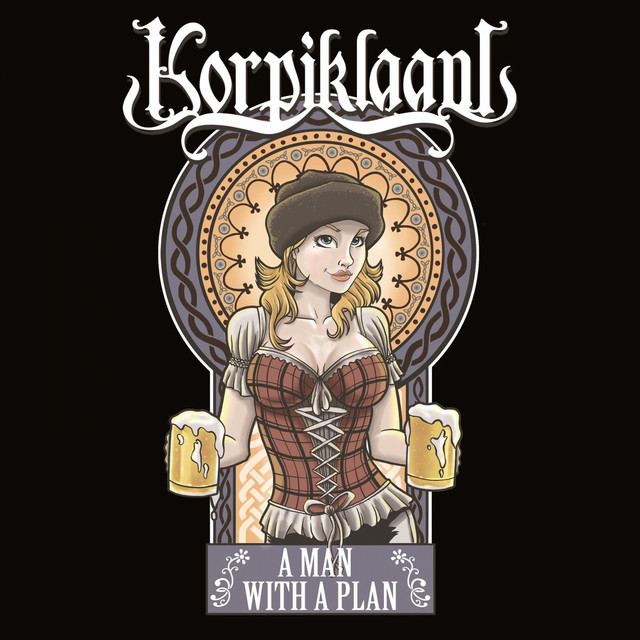
A Man with a Plan
Korpiklaani
2025
Sturm und Schatten
VikingEchoes
2025
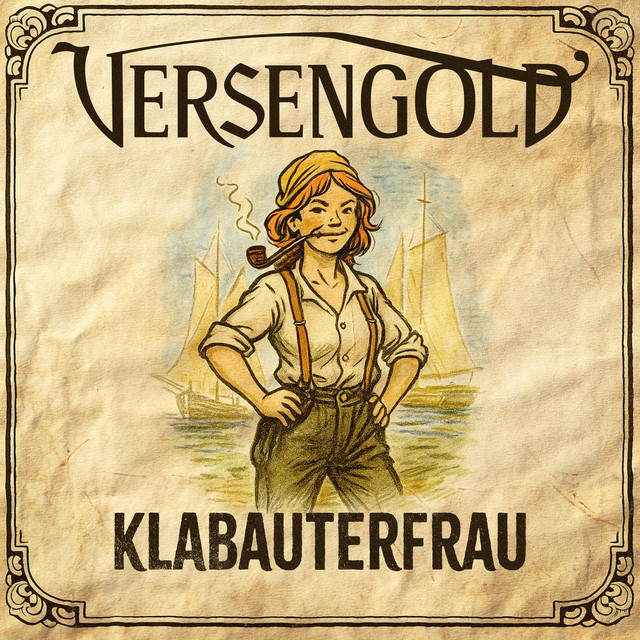
Klabauterfrau
Versengold
2024
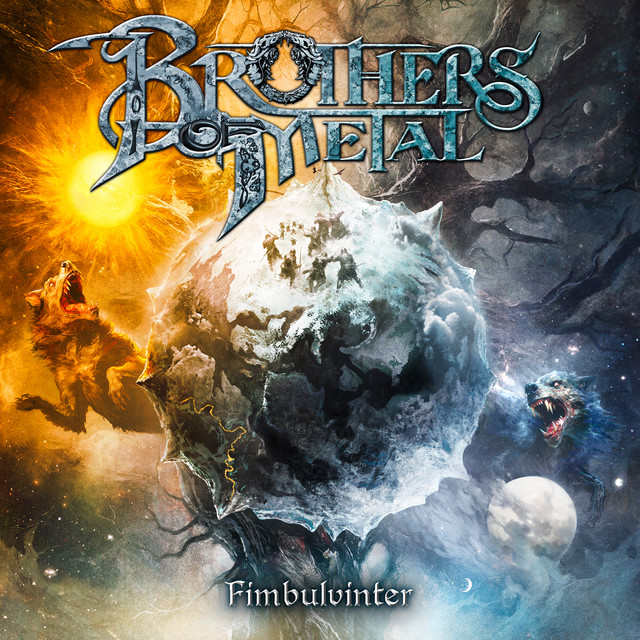
Fimbulvinter
Brothers of Metal
Download our mobile app
Get the Melodigging app and start digging for new genres on the go
Download on the App Store
Get it on Google Play
© 2026 Melodigging
Give feedback
Legal
Melodding was created as a tribute to
Every Noise at Once
, which inspired us to help curious minds keep digging into music's ever-evolving genres.