Genres
Artists
Albums
Make Music
Sign in
Sign in
Albums
By Sir Simon Rattle
Albums
By Sir Simon Rattle
Harmonielehre / The Chairman Dances / Tromba Lontana / Short Ride in a Fast Machine
March 7, 1994
Listen
Genres
Avant-Garde
Avant-garde music is an umbrella term for boundary-pushing practices that challenge prevailing norms of harmony, rhythm, timbre, form, and performance. It privileges experimentation, conceptual rigor, and a willingness to reframe what counts as music at all. Historically tied to early 20th‑century artistic modernism, avant-garde music introduced atonality, the emancipation of noise, and new forms of notation and process. It embraces indeterminacy, extended techniques, electronics, spatialization, and multimedia performance, treating sound as material to be sculpted, questioned, and reinvented.
Discover
Listen
Orchestral
Orchestral music refers to compositions written for an orchestra—a large ensemble typically built around a string section (violins, violas, cellos, double basses), complemented by woodwinds, brass, percussion, and often harp, keyboard, or other auxiliary instruments. A conductor coordinates the ensemble, shaping balance, phrasing, and expression. The style emphasizes coloristic timbre combinations, dynamic range from the softest pianissimo to explosive tuttis, and textures that can shift seamlessly between transparent chamber-like writing and monumental masses of sound. Orchestral writing underpins concert genres such as symphonies, overtures, and tone poems, as well as opera, ballet, and modern film and game scores. While orchestral writing evolved across centuries, its core craft centers on melody, counterpoint, harmony, register, and orchestration—the art of assigning musical ideas to instruments to achieve clarity, contrast, and narrative impact.
Discover
Listen
Classical
Classical music is the notated art-music tradition of Europe and its global descendants, characterized by durable forms, carefully codified harmony and counterpoint, and a literate score-based practice. The term “classical” can refer broadly to the entire Western art-music lineage from the Medieval era to today, not just the Classical period (c. 1750s–1820s). It privileges long-form structures (such as symphonies, sonatas, concertos, masses, and operas), functional or modal harmony, thematic development, and timbral nuance across ensembles ranging from solo instruments to full orchestras and choirs. Across centuries, the style evolved from chant and modal polyphony to tonal harmony, and later to post-tonal idioms, while maintaining a shared emphasis on written notation, performance practice, and craft.
Discover
Listen
Similar albums
Hide discovered
2018
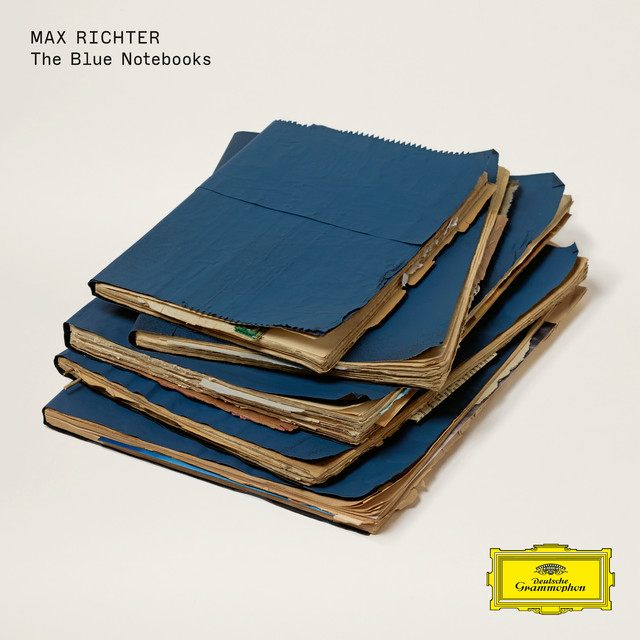
The Blue Notebooks (15 Years)
Max Richter
2023
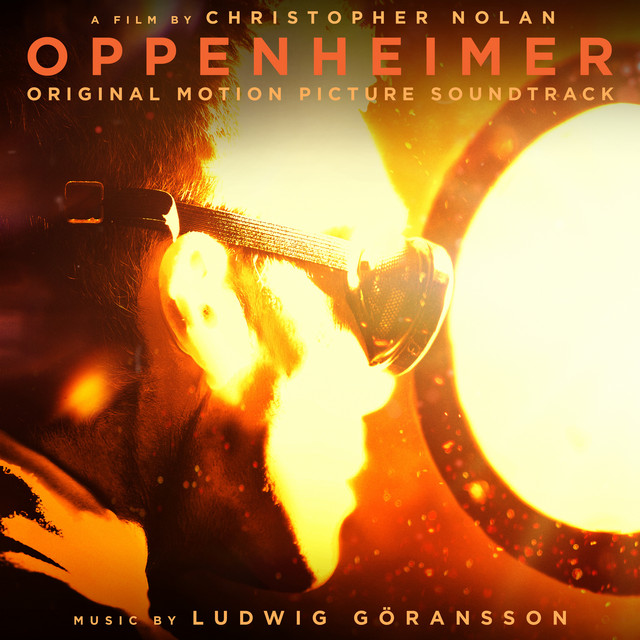
Oppenheimer (Original Motion Picture Soundtrack)
Ludwig Goransson
2017
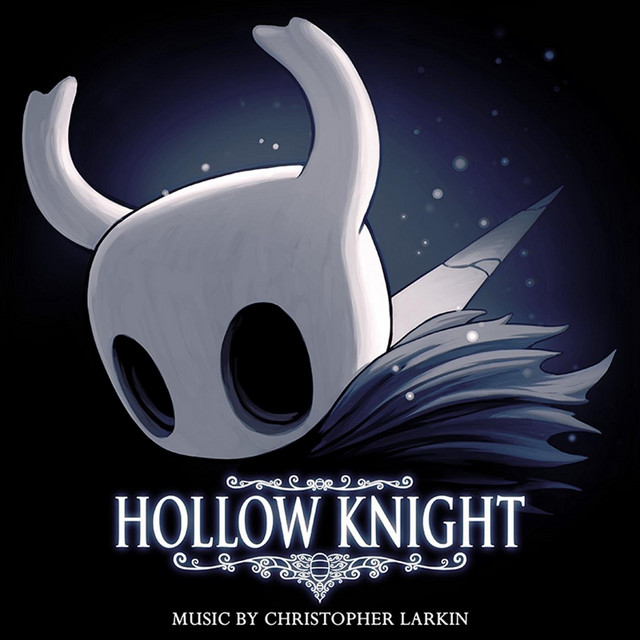
Hollow Knight (Original Soundtrack)
Christopher Larkin
2001
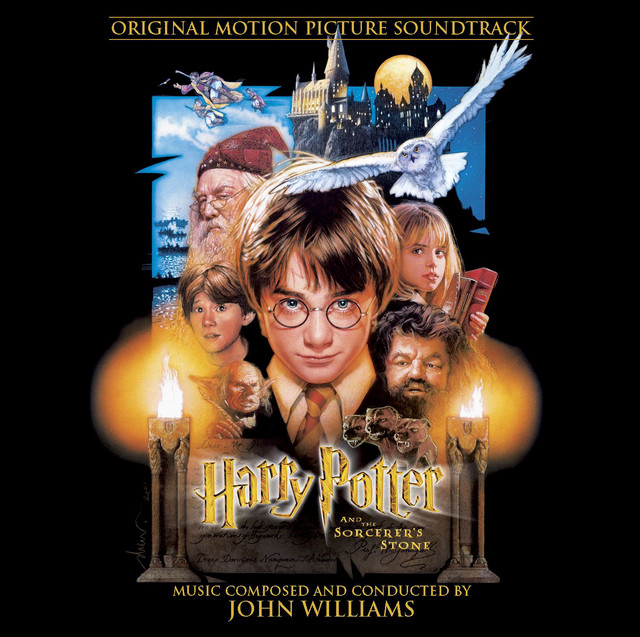
Harry Potter and The Sorcerer's Stone Original Motion Picture Soundtrack
John Williams
2010
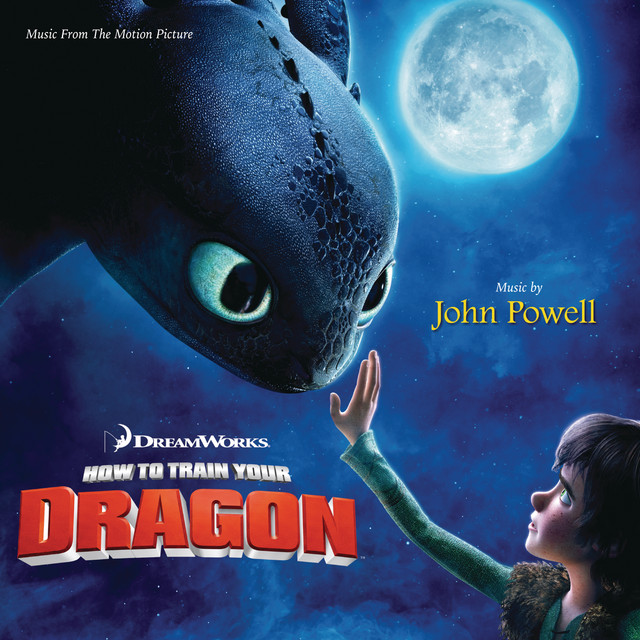
How To Train Your Dragon (Music From The Motion Picture)
Jónsi
2018
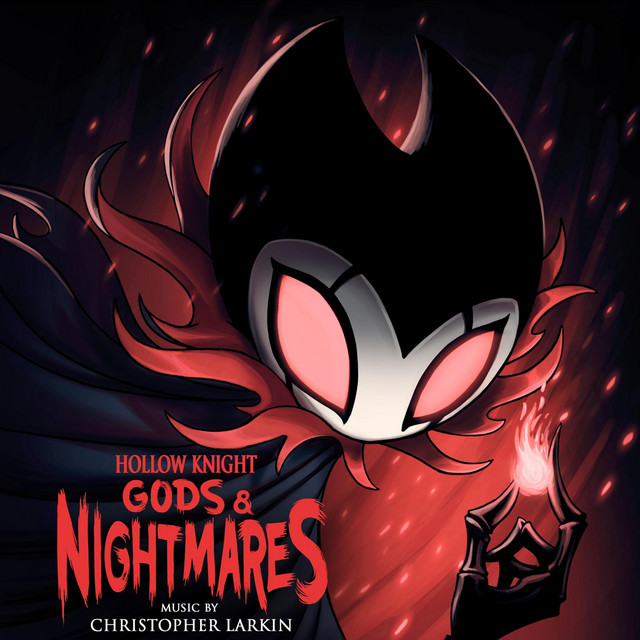
Hollow Knight: Gods & Nightmares
Christopher Larkin
2007
Distant Worlds: Music From Final Fantasy
Kungliga Filharmonikerna / Allmänna Sången / Arnie Roth
2015
Distant Worlds III: More Music From Final Fantasy
Nobuo Uematsu 植松伸夫
1997
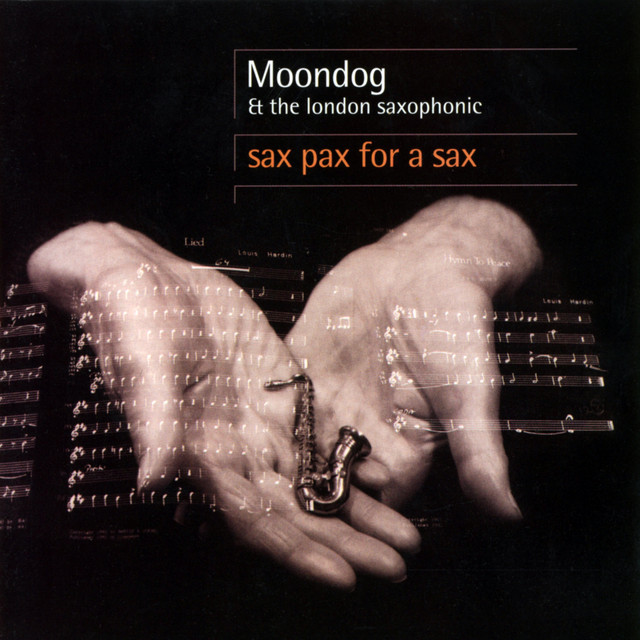
Sax Pax for a Sax
Moondog & The London Saxophonic
1996
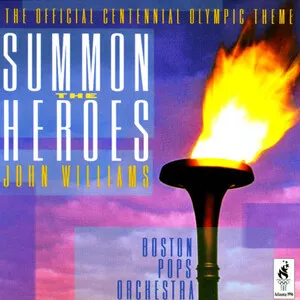
Summon the Heroes
John Williams / Boston Pops Orchestra
Download our mobile app
Get the Melodigging app and start digging for new genres on the go
Download on the App Store
Get it on Google Play
© 2026 Melodigging
Give feedback
About & FAQ
Legal
Melodding was created as a tribute to
Every Noise at Once
, which inspired us to help curious minds keep digging into music's ever-evolving genres.