Genres
Artists
Albums
Make Music
Sign in
Sign in
Albums
By Haifa Wehbe
Albums
By Haifa Wehbe
Habibi Ana
2008
Listen
Genres
Lebanese Pop
Lebanese pop is a modern Arabic-language pop style that blends Levantine melodic sensibilities and maqam-based ornamentation with Western pop songwriting and production. Built around catchy hooks, danceable grooves, and polished music‑video aesthetics, it helped set the pan‑Arab standard for pop in the late 1990s and 2000s. Songs are typically sung in the Lebanese/Levantine dialect, intertwining romantic themes with glossy, radio‑friendly arrangements that can lean toward dance-pop, balladry, or dabke‑inspired party tracks. Instrumentation often marries synths, drum machines, and electric bass with regional timbres such as oud, qanun, ney, and darbuka, while vocals favor melisma and subtle microtonal turns characteristic of Arabic classical tradition.
Discover
Listen
Arabic Pop
Arabic pop is the mainstream, commercial song style of the Arabic‑speaking world, blending Western pop structures with Arabic melodic modes (maqām) and regional rhythmic cycles (iqa‘āt). Arrangements typically pair traditional instruments like the oud, qanun, nay, strings, and darbuka with electric guitar/bass, keyboards, drum machines, and modern synthesizers. Vocals are highly ornamented (melisma, trills, turns) and delivered in widely understood dialects such as Egyptian and Levantine, as well as Khaliji and Maghrebi Arabic. Songs favor verse–pre‑chorus–chorus forms with catchy hooks, glossy production, and video‑forward presentation. Lyrically, themes of romance, longing, celebration, and everyday life dominate, spanning intimate ballads to up‑tempo dance anthems.
Discover
Listen
Arabic Music
Arabic music is the modal, largely non-harmonic art and folk music tradition of Arabic-speaking societies across the Middle East and North Africa. It is centered on the maqam system (a constellation of scales, characteristic melodic phrases, and modulation pathways) and the iqa'at cycle-based rhythmic system. Its sound is defined by microtonal intervals (often featuring neutral seconds and micro-inflected pitches rather than equal-tempered quarter-tones), expressive melismas, and a heterophonic ensemble texture in which multiple instruments ornament the same melody simultaneously. Core instruments include the oud, qanun, nay, violin/kamanja, riqq, and darbuka/tabla, with larger firqa (orchestral) lineups common in 20th‑century Cairo. The tradition values poetic text-setting, extended improvisation (taqsim and layali), and the affective aesthetic of tarab—intense musical ecstasy and emotional transport.
Discover
Listen
Similar albums
Hide discovered
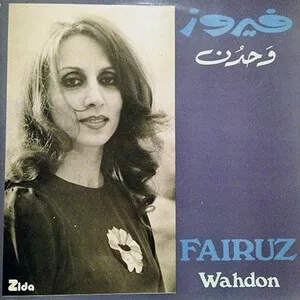
1979
Wahdon وحدن
فيروز [Fairuz]
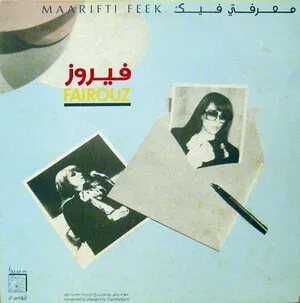
1995
Maarifti feek معرفتي فيك
فيروز [Fairouz]
2003
Baddi eesh بدّي عيش
Haifa Wehbe هيفاء وهبي
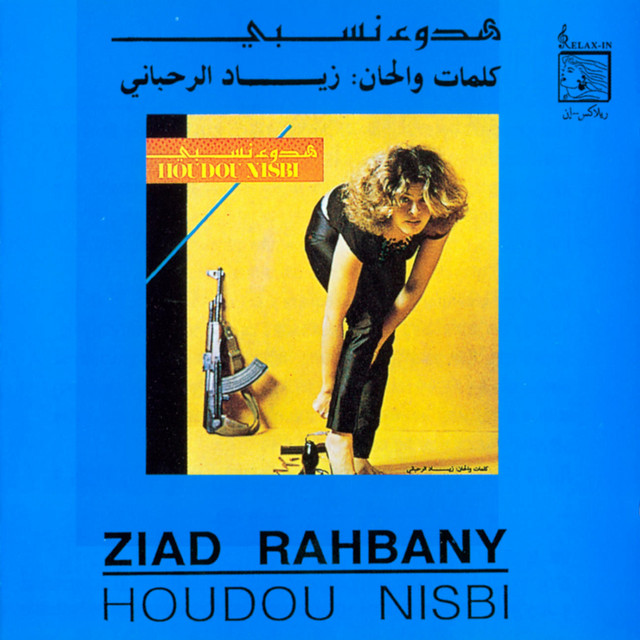
1985
Houdou Nisbi هدوء نسبي
Ziad Rahbani زياد الرحباني
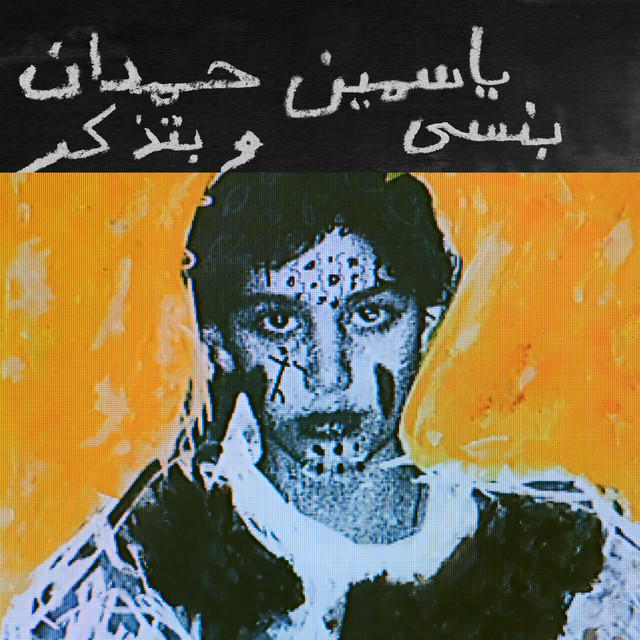
2025
I Remember I Forget بنسى وبتذكر
Yasmine Hamdan ياسمين حمدان
2019
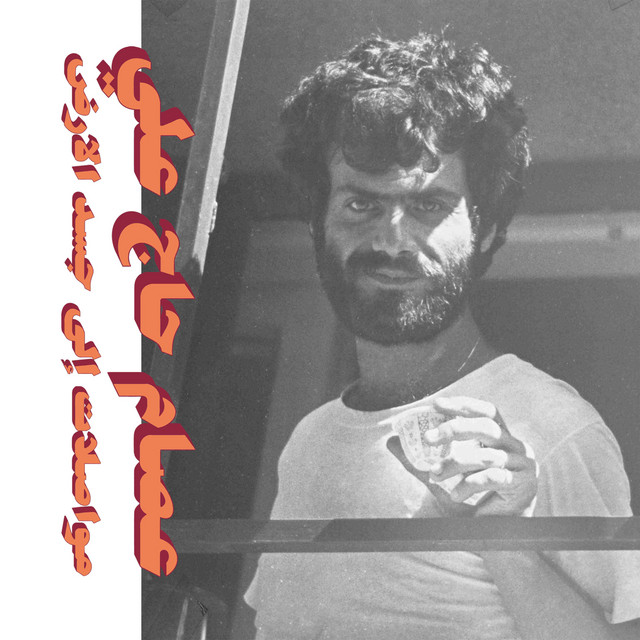
Mouasalat ila jacad el ard
Issam Hajali
2006
Mesk Elil
Souad Massi
1972
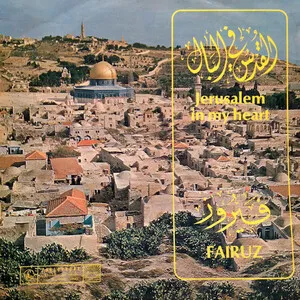
Jerusalem in My Heart القدس في البال
Fairuz
2022
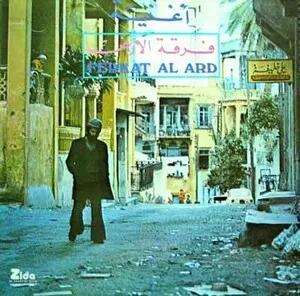
Oghneya أغنية
Ferkat al Ard
2022
Albat Alawi Op.99
El Khat - القات
Download our mobile app
Get the Melodigging app and start digging for new genres on the go
Download on the App Store
Get it on Google Play
© 2026 Melodigging
Give feedback
About & FAQ
Legal
Melodding was created as a tribute to
Every Noise at Once
, which inspired us to help curious minds keep digging into music's ever-evolving genres.