Genres
Make Music
Artists
Albums
Challenges
Sign in
Sign in
Albums
By Jackson Do Pandeiro
Albums
By Jackson Do Pandeiro
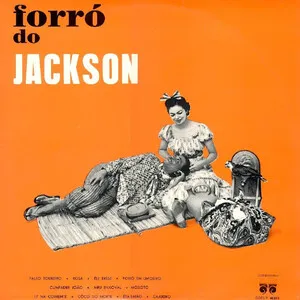
Forró do Jackson
January 1, 2014
Listen
1
/5
Genres
Baião
Baião is a dance rhythm and song genre from Northeastern Brazil, characterized by a driving 2/4 groove led by the trio pé-de-serra: accordion (sanfona), zabumba (a double-headed bass drum), and triangle. Its hallmark is the syncopated interplay between the zabumba’s low and high strokes, a shimmering triangle ostinato, and accordion melodies that alternate between earthy, modal flavors and bright, diatonic hooks. Developed in rural contexts and urbanized on Brazilian radio, baião became a foundational pillar for the broader forró scene. Lyrically, classic baiões often reflect the sertão (semi-arid hinterland), drought, migration, longing (saudade), and everyday love and humor. The style’s compact harmonies, strong groove, and memorable refrains helped it travel far beyond its region, shaping Brazilian popular music for decades.
Discover
Listen
Forró
Forró is a popular dance-music tradition from Brazil’s Northeast, centered on the trio of accordion (sanfona), zabumba (bass/tenor drum), and triangle. It encompasses a family of rhythms—most notably baião, xote, arrasta-pé, and xaxado—and is performed for partner dancing at parties and the June festivals (Festas Juninas). The style balances infectious, syncopated grooves with singable melodies and simple, diatonic harmony. Lyrically, forró often celebrates rural life, love, longing (saudade), and the culture of the sertão. Over time, it has branched into substyles ranging from the acoustic, rootsy pé-de-serra to modern, amplified and electronic variants.
Discover
Listen
Coco
Coco is an Afro-Brazilian rhythm and community dance-song tradition from Northeastern Brazil, especially Pernambuco, Paraíba, Alagoas, and Rio Grande do Norte. It features a propulsive, repetitive groove in duple meter, call-and-response vocals led by a mestre (leader) and answered by a chorus, and a distinctive percussive "pisada" (stomping) that turns the dancing circle into a rhythmic instrument. Performers typically gather in a roda (circle), clapping, stepping, and spinning to the beat—often at weekend street parties, religious/festive gatherings, and Carnival. Coco is closely related to (and sometimes synonymous with) embolada, the fast, tongue‑twisting, often improvised song form accompanied by pandeiro. Its antiphonal singing and cyclic percussion patterns echo West and Central African work songs and ritual music, and its participatory energy is comparable to capoeira music—joyful, communal, and irresistibly dancing.
Discover
Listen
Similar albums
2018
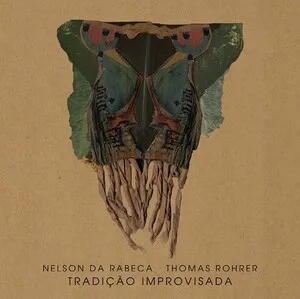
Tradição improvisada
Nelson da Rabeca & Thomas Rohrer
1981
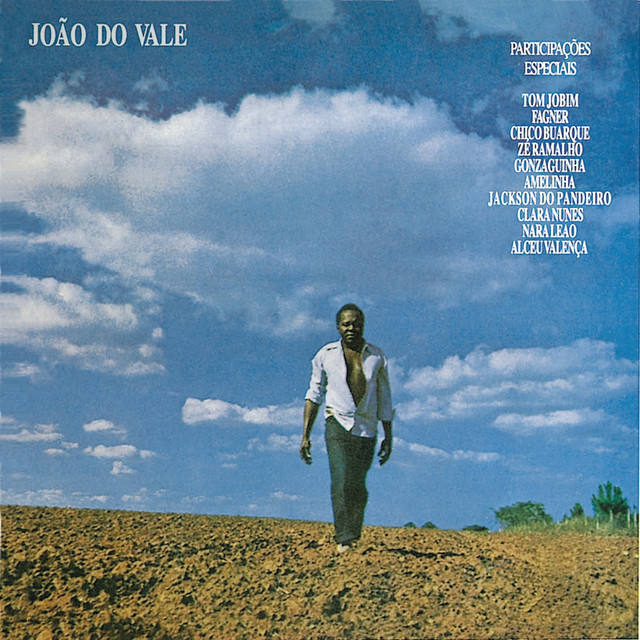
João do Vale
João do Vale
2000
Luiz Gonzaga canta seus sucessos com Zédantas
Luiz Gonzaga
1965
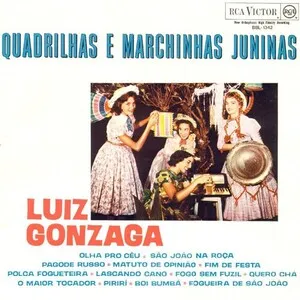
Quadrilhas e marchinhas juninas
Luiz Gonzaga
1996
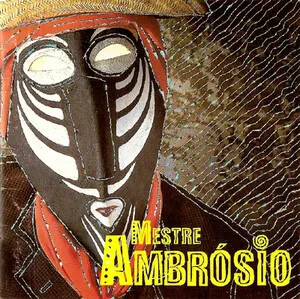
Mestre Ambrósio
Mestre Ambrósio
1999
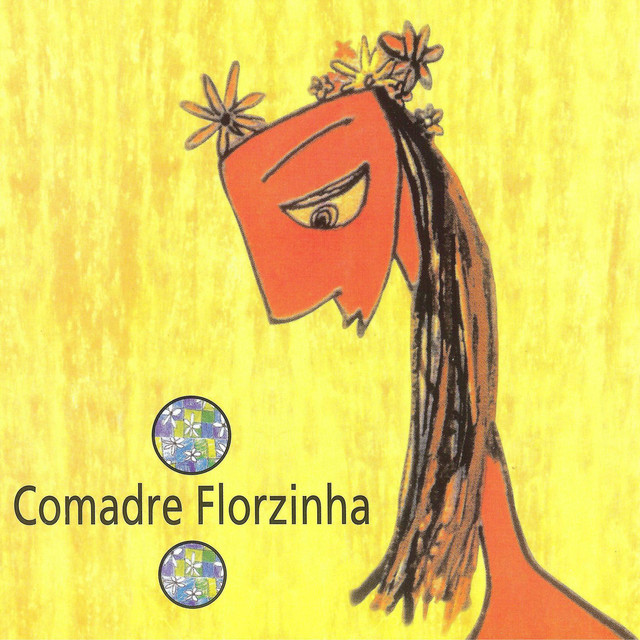
Comadre Florzinha
Comadre Florzinha
2001
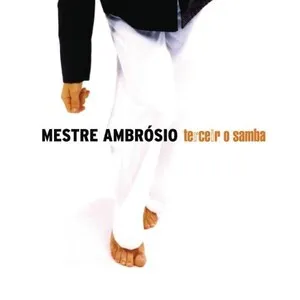
Terceiro samba
Mestre Ambrósio
1976
Domingo menino Dominguinhos
Dominguinhos
2024
A história do Nordeste na voz de Luiz Gonzaga
Luiz Gonzaga
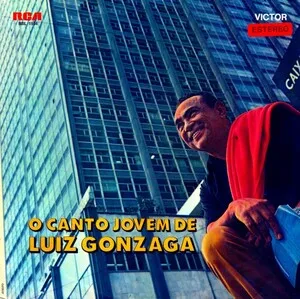
1982
O canto jovem de Luiz Gonzaga
Luiz Gonzaga
Download our mobile app
Get the Melodigging app and start digging for new genres on the go
Download on the App Store
Get it on Google Play
© 2026 Melodigging
Give feedback
Legal
Melodding was created as a tribute to
Every Noise at Once
, which inspired us to help curious minds keep digging into music's ever-evolving genres.