Genres
Artists
Albums
Make Music
Sign in
Sign in
Albums
By Alessandra Leão
Albums
By Alessandra Leão
Dois Cordoes
2009
Listen
Genres
Ponto De Umbanda
Ponto de Umbanda is the body of liturgical songs used in Umbanda, an Afro-Brazilian religion founded in the early 20th century. Sung in Portuguese (with occasional African-derived words), these short refrains are performed to invoke, praise, and guide spiritual entities such as Caboclos, Pretos-Velhos, Crianças, Exus, and Pombagiras. Musically, pontos are call-and-response chants accompanied by sacred drum patterns (toques) on atabaques, handclaps, and small percussion. Their rhythm and tempo shift according to the spirit line being worked: slow and tender for Pretos-Velhos, medium and swaying for Caboclos and Iemanjá, and faster, more incisive grooves for Exu and Ogum. As a devotional practice, ponto de Umbanda is inseparable from ceremony: the songs structure the ritual, help establish trance, and mark the entry, movement, and farewell of the entities. Beyond the terreiro, pontos have periodically reached the public sphere through recordings and stage adaptations by Brazilian artists, preserving their core call-and-response energy while translating sacred rhythms to concert settings.
Discover
Listen
Coco
Coco is an Afro-Brazilian rhythm and community dance-song tradition from Northeastern Brazil, especially Pernambuco, Paraíba, Alagoas, and Rio Grande do Norte. It features a propulsive, repetitive groove in duple meter, call-and-response vocals led by a mestre (leader) and answered by a chorus, and a distinctive percussive "pisada" (stomping) that turns the dancing circle into a rhythmic instrument. Performers typically gather in a roda (circle), clapping, stepping, and spinning to the beat—often at weekend street parties, religious/festive gatherings, and Carnival. Coco is closely related to (and sometimes synonymous with) embolada, the fast, tongue‑twisting, often improvised song form accompanied by pandeiro. Its antiphonal singing and cyclic percussion patterns echo West and Central African work songs and ritual music, and its participatory energy is comparable to capoeira music—joyful, communal, and irresistibly dancing.
Discover
Listen
Jongo
Jongo is an Afro-Brazilian circle dance and song tradition from the coffee-growing heartlands of southeastern Brazil, especially the Paraíba Valley spanning Rio de Janeiro, São Paulo, and Minas Gerais. It is typically performed around a bonfire with two drums—the larger caxambu and the smaller candongueiro—driving interlocking rhythms while participants sing call-and-response verses known as pontos. Rooted in Central and West-Central African (Bantu) cultural memory brought by enslaved peoples, jongo blends ritual, poetry, dance, and social commentary. Dancers invite one another into the circle using the umbigada (a belly-to-belly gesture), and singers improvise metaphor-rich, often enigmatic lyrics that encode devotion, resistance, and wit. In some regions the practice is also called caxambu, reflecting local naming of the larger drum and the tradition itself. Beyond performance, jongo serves as an intergenerational archive for Afro-Brazilian communities, embodying ancestry, spirituality, and communal cohesion while maintaining a lively, dance-forward character.
Discover
Listen
Similar albums
2006
Brinquedo de tambor
Alessandra Leão
2022
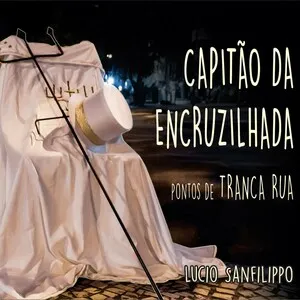
Capitão da encruzilhada: pontos de Tranca Rua
Lucio Sanfilippo
1999
Toques De Umbanda
Zé Maurício Machline
1965
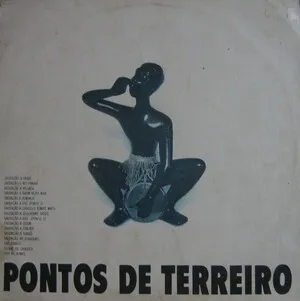
Pontos de Terreiro
Conjunto Folclórico Ibyara
1958
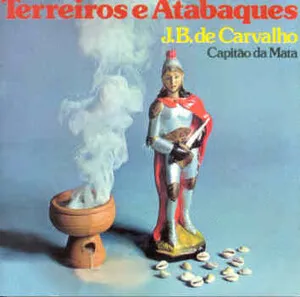
Terreiros e atabaques
J.B. de Carvalho capitão da mata
1968
Gente da antiga
Pixinguinha, Clementina de Jesus & João da Baiana
2021
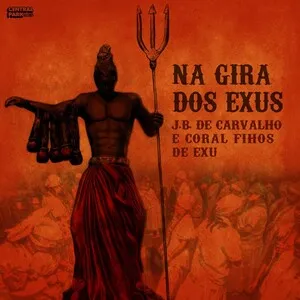
Na gira dos exus
J.B. de Carvalho & Coral Filhos de Exu
2003
Zunido da mata
Renata Rosa
2007
Toda vez que eu dou um passo o mundo sai do lugar
Siba e a Fuloresta
2019
Ciranda sem fim
Lia de Itamaracá
Download our mobile app
Get the Melodigging app and start digging for new genres on the go
Download on the App Store
Get it on Google Play
© 2026 Melodigging
Give feedback
Legal
Melodding was created as a tribute to
Every Noise at Once
, which inspired us to help curious minds keep digging into music's ever-evolving genres.