Genres
Make Music
Artists
Albums
Challenges
Sign in
Sign in
Albums
By Ambros
Albums
By Ambros
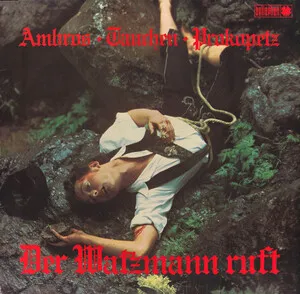
Der Watzmann ruft
1974
Listen
2
/5
Genres
Alpenrock
Alpenrock (Alpine rock) blends the sound and energy of rock with traditional music of the Alpine regions. Typical rock rhythm sections (drum kit, electric bass, electric/acoustic guitars, keys) are combined with folk timbres such as the Steirische Harmonika (diatonic button accordion), zither, alphorn, hammered dulcimer (Hackbrett), and brass-band horns. Songs often use Austrian, Bavarian, Swiss-German, or South Tyrolean dialects. Melodic hooks draw on yodeling figures, Ländler- and polka-derived phrases, and waltz contours, but they sit over backbeats and riff-based grooves. The result is festival-friendly, communal, and danceable—equally at home in beer tents and rock venues.
Discover
Listen
Liedermacher
Liedermacher is a German-language singer‑songwriter tradition whose roots lie more in literature, theatre, and cabaret than in American blues or rock idioms. The term literally means “song‑maker,” and it emphasizes crafted lyrics, poetic imagery, and clear diction over instrumental virtuosity or band spectacle. Stylistically, Liedermacher favors intimate, text‑forward performances—often just voice with acoustic guitar or piano. Songs range from personal and reflective to satirical and explicitly political. The lineage connects to the German Lied, French and German cabaret/chanson, and the European protest‑song wave of the 1960s, adapted to contemporary social realities in the German‑speaking world.
Discover
Listen
Pop Rock
Pop rock blends the hook-focused immediacy of pop with the instrumentation and drive of rock. It prioritizes catchy melodies, concise song structures, and polished production while retaining guitars, bass, and drums as core elements. Typical pop rock tracks use verse–pre-chorus–chorus forms, strong vocal harmonies, and memorable riffs. The sound ranges from jangly and bright to mildly overdriven and arena-ready, aiming for radio-friendly appeal without abandoning rock’s rhythmic punch.
Discover
Listen
Pop
Pop is a broad, hook-driven style of popular music designed for wide appeal. It emphasizes memorable melodies, concise song structures, polished vocals, and production intended for radio, charts, and mass media. While pop continually absorbs elements from other styles, its core remains singable choruses, accessible harmonies, and rhythmic clarity. Typical forms include verse–pre-chorus–chorus, frequent use of bridges and middle-eights, and ear-catching intros and outros. Pop is not defined by a single instrumentation. It flexibly incorporates acoustic and electric instruments, drum machines, synthesizers, and increasingly digital production techniques, always in service of the song and the hook.
Discover
Listen
Rock
Rock is a broad family of popular music centered on amplified instruments, a strong backbeat, and song forms that foreground riffs, choruses, and anthemic hooks. Emerging from mid‑20th‑century American styles like rhythm & blues, country, and gospel-inflected rock and roll, rock quickly expanded in scope—absorbing folk, blues, and psychedelic ideas—while shaping global youth culture. Core sonic markers include electric guitar (often overdriven), electric bass, drum kit emphasizing beats 2 and 4, and emotive lead vocals. Rock songs commonly use verse–chorus structures, blues-derived harmony, and memorable melodic motifs, ranging from intimate ballads to high‑energy, stadium‑sized performances.
Discover
Listen
German Music
German music is a broad umbrella for the musical traditions created in the German-speaking lands, spanning from medieval sacred chant and courtly song to world-shaping classical composition, folk idioms, and modern popular and electronic styles. It is central to the Western classical canon (from chorales and counterpoint to symphonies and opera), yet it also encompasses vernacular streams such as Volksmusik and Schlager, as well as innovative modern movements like Krautrock, Neue Deutsche Welle, Berlin techno, Deutschrap, and Neue Deutsche Härte. Across eras, characteristic traits include structural clarity, deep harmonic development, contrapuntal craft, and—especially in vocal genres—German-language texts that range from devotional and philosophical to satirical and everyday themes. Because “German music” names a national tradition rather than one single style, it combines art-music lineages (medieval to contemporary), regional folk practices, and international exchange, with German hubs (Leipzig, Dresden, Berlin, Hamburg, Munich, Düsseldorf, Cologne) acting as engines of musical education, performance, and experimentation.
Discover
Listen
Similar albums
2019
I Fucking Love My Life
Faber
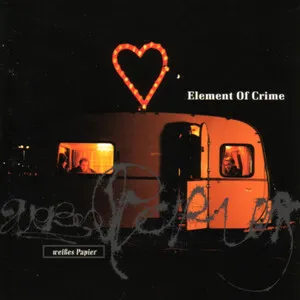
1993
Weißes Papier
Element of Crime
2002
Portrait
Heinz Rudolf Kunze
1975
Es lebe der Zentralfriedhof
W. Ambros
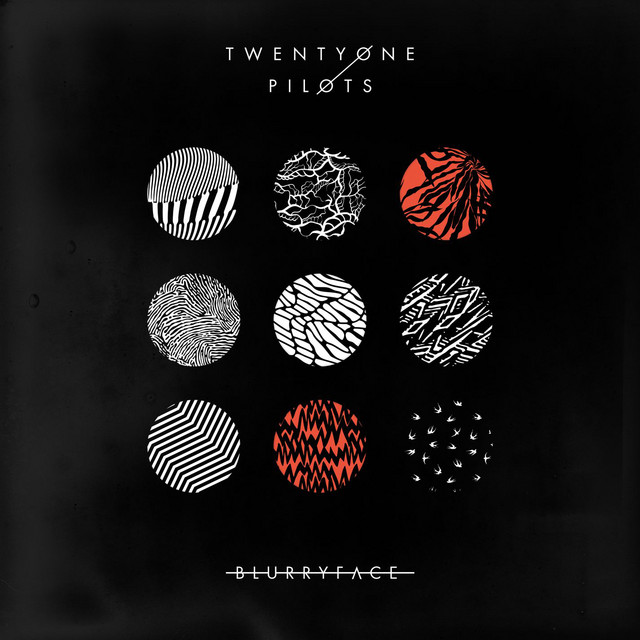
2015
Blurryface
Twenty One Pilots
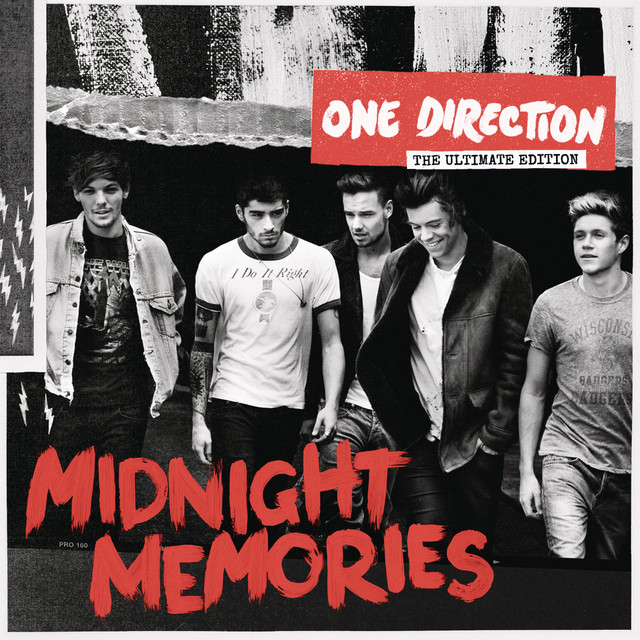
2013
Midnight Memories
One Direction
1969
Abbey Road
The Beatles
1982
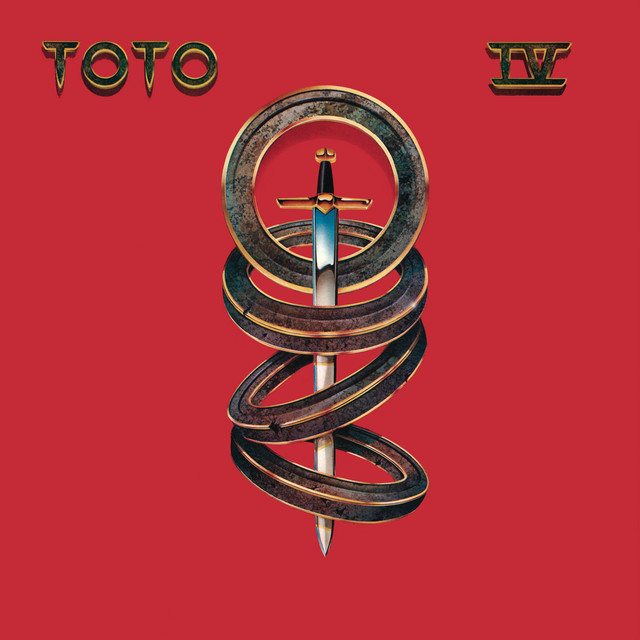
Toto IV
TOTO
2012
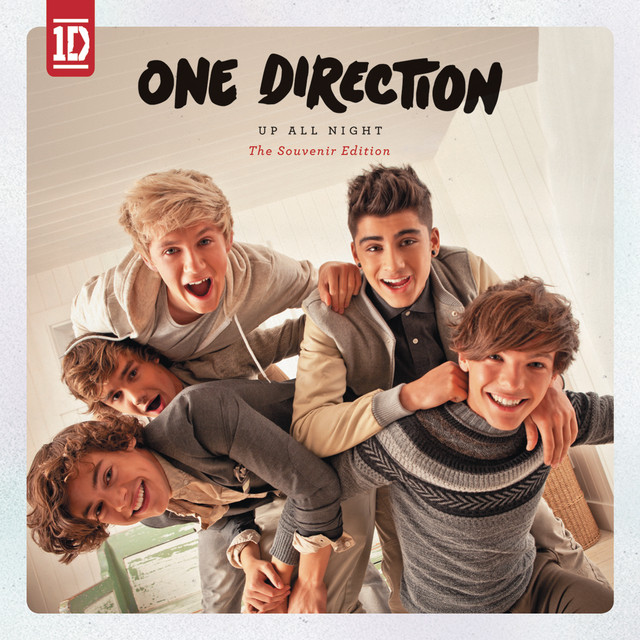
Up All Night
One Direction
2015
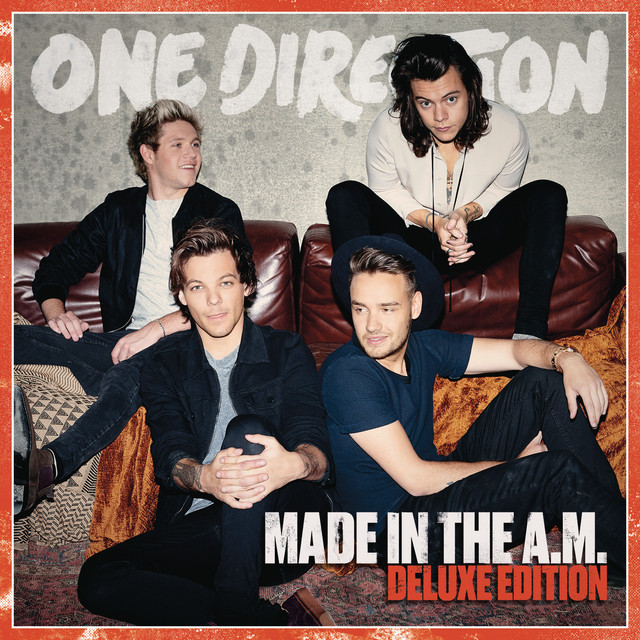
Made in the A.M.
One Direction
Download our mobile app
Get the Melodigging app and start digging for new genres on the go
Download on the App Store
Get it on Google Play
© 2026 Melodigging
Give feedback
Legal
Melodding was created as a tribute to
Every Noise at Once
, which inspired us to help curious minds keep digging into music's ever-evolving genres.