Genres
Make Music
Artists
Albums
Challenges
Sign in
Sign in
Albums
By Nevermore
Albums
By Nevermore
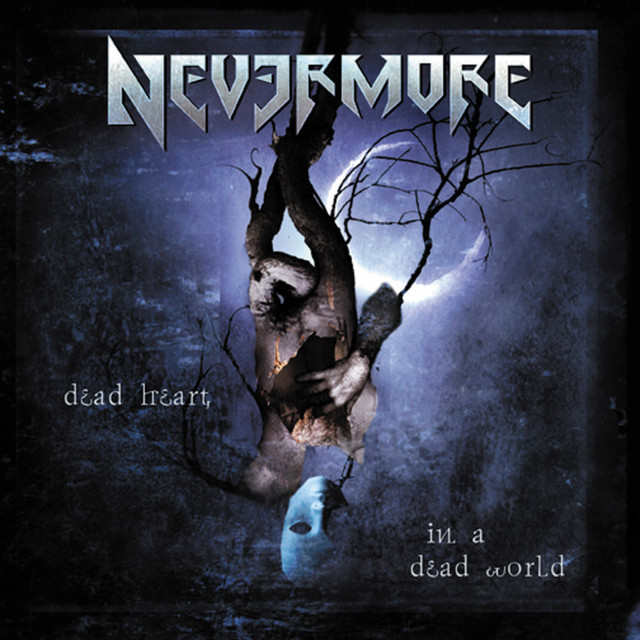
Dead Heart in a Dead World
July 13, 2000
Listen
3
/5
Genres
Groove Metal
Groove metal is a heavy metal subgenre defined by mid‑tempo, syncopated, and riff‑centric songwriting that prioritizes head‑nodding "groove" over sheer speed. Guitars are typically down‑tuned and palm‑muted, locking tightly to a punchy, backbeat‑driven drum feel and muscular bass lines. Vocals are usually aggressive shouts or barks with occasional melodic or anthemic passages, while lead guitars favor pinched harmonics, blues‑tinged bends, and compact, percussive phrases rather than long neo‑classical runs. Production tends to be tight and weighty, emphasizing a thick, modern rhythm‑guitar tone and precise drum transients. Stylistically, groove metal grew out of late‑’80s thrash and hardcore but slowed and widened the rhythms, borrowing the feel of funk metal’s syncopation and, in some cases, southern rock’s swagger.
Discover
Listen
Progressive Groove Metal
Progressive groove metal fuses the weighty, syncopated riffing of groove metal with the ambitious song forms, odd meters, and thematic depth of progressive metal. It typically features down‑tuned 6–8‑string guitars, palm‑muted chugs interlocking with polyrhythmic drum patterns, and bass lines that emphasize grit and articulation over sheer speed. Compared with straight groove metal, the progressive strain favors shifting time signatures, polymeter (e.g., 3:2, 5:4 overlays), dynamic contrasts, and longer arrangements that build narratives. Vocals range from harsh growls and barks to clean, soaring passages, while lyrics often address big‑picture topics—environmentalism, philosophy, psychology, and social critique—alongside personal struggle.
Discover
Listen
Progressive Metal
Progressive metal blends the ambition and extended song forms of progressive rock with the heaviness, timbre, and energy of heavy metal. It is characterized by complex arrangements, frequent time‑signature changes, virtuosic instrumental passages, thematic or concept‑driven albums, and a wide dynamic range from delicate, atmospheric sections to aggressive, high‑gain climaxes. Harmonically it draws on modal interchange, chromatic voice‑leading, and jazz‑fusion colors, while rhythmically it favors polymeters, polyrhythms, and metric modulation. Keyboards and layered production often add orchestral or cinematic scope.
Discover
Listen
Heavy Metal
Heavy metal is a loud, guitar-driven style of rock defined by heavily distorted riffs, thunderous drums, and powerful vocals. Its musical language emphasizes minor modes, modal (Aeolian, Phrygian) riffing, and energy over groove, often featuring virtuosic guitar solos and dramatic dynamic contrasts. Emerging from late-1960s blues rock and psychedelic experimentation, heavy metal codified a darker, heavier sound with bands like Black Sabbath, Deep Purple, and Led Zeppelin. The genre values weight, intensity, and grandeur—whether through plodding, doom-laden tempos or galloping, high-energy rhythms—paired with themes that range from personal struggle and social critique to fantasy, mythology, and the occult.
Discover
Listen
Similar albums
2016
Magma
Gojira
2005
From Mars to Sirius
Abscess, Pale Forest, My Dying Bride, Aborted, Theory in Practice, Amaran, Vile…
2012
L'Enfant Sauvage (Special Edition)
Gojira
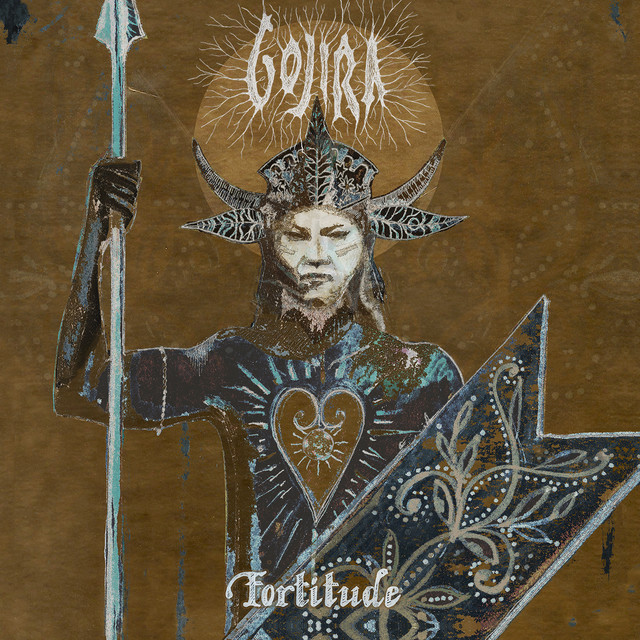
2021
Fortitude
Gojira
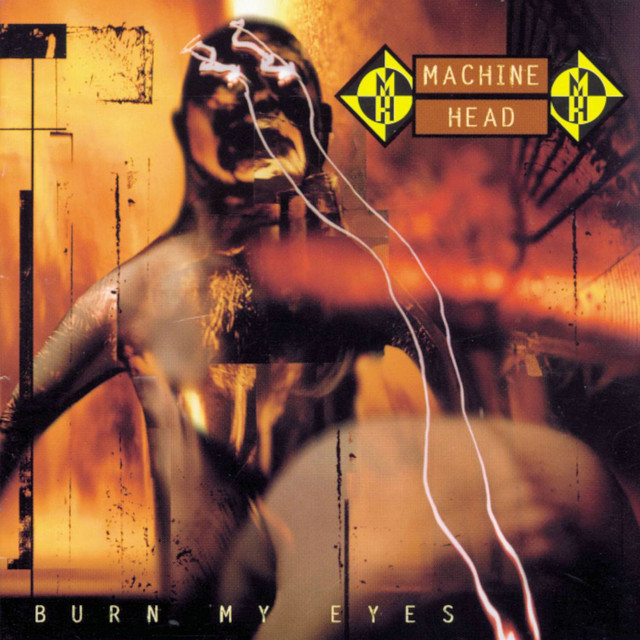
1994
Burn My Eyes
Machine Head
2016
Is There Anybody Out There?
Machine Head
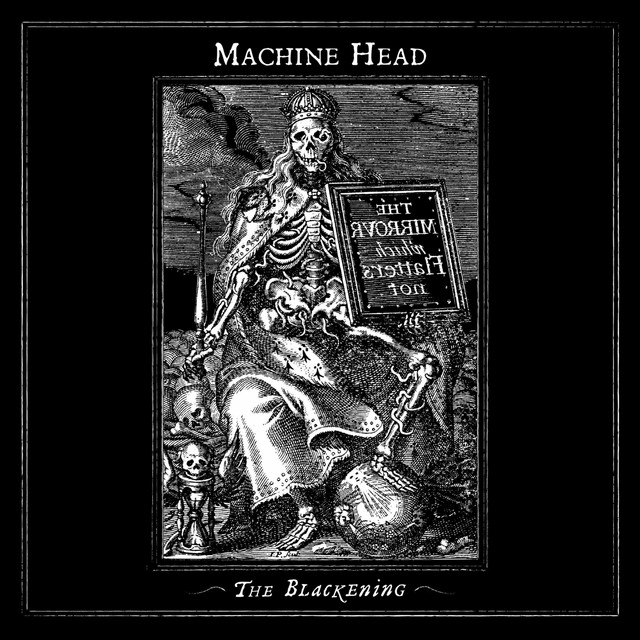
2007
The Blackening
Machine Head
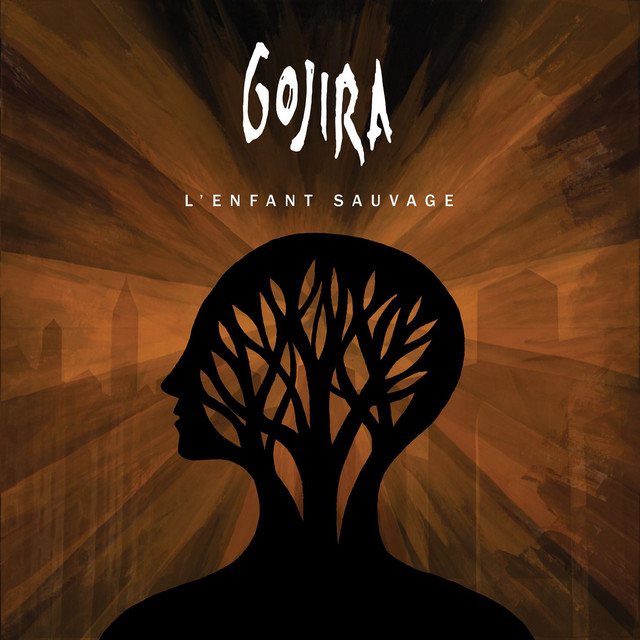
2012
L'Enfant Sauvage
Gojira
2022
Our Time Is Now
Gojira
2011
Unto the Locust
Machine Head
Download our mobile app
Get the Melodigging app and start digging for new genres on the go
Download on the App Store
Get it on Google Play
© 2026 Melodigging
Give feedback
Legal
Melodding was created as a tribute to
Every Noise at Once
, which inspired us to help curious minds keep digging into music's ever-evolving genres.