Genres
Make Music
Artists
Albums
Challenges
Sign in
Sign in
Albums
By Janis Joplin
Albums
By Janis Joplin
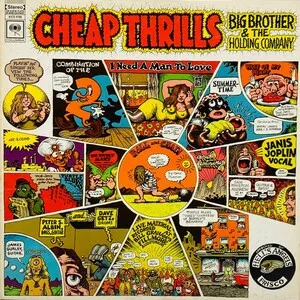
Cheap Thrills
August 12, 1968
Listen
4
/5
Genres
Haight-Ashbury Scene
The Haight-Ashbury scene refers to the mid-to-late 1960s countercultural music community centered in the Haight-Ashbury neighborhood of San Francisco, California. Closely tied to the hippie movement, it fostered long-form, improvisational rock infused with folk, blues, raga, and experimental elements—what became known worldwide as the San Francisco sound. Musically, bands emphasized communal performance, extended jams, modal harmony, and exploratory guitar tones shaped by fuzz, feedback, and reverb. Lyrically and culturally, the scene embraced psychedelic consciousness, anti-war politics, free love, and communal living, with landmark gatherings like the Human Be-In and the Summer of Love helping to broadcast the sound and ethos globally.
Discover
Listen
San Francisco Sound
The San Francisco Sound refers to the distinctive, improvisation-heavy psychedelic rock that emerged from the San Francisco Bay Area—especially Haight-Ashbury—during the mid-to-late 1960s. It is characterized by long, modal jams; a live-first ethos; prominent use of electric guitars with feedback and distortion; fluid, conversational improvisation among players; and a communal, countercultural sensibility. Bands frequently blended blues, folk, country, R&B, jazz, and raga influences, often incorporating droning textures, extended solos, and striking dynamic arcs. The scene was as much about place and community as sound: Bill Graham’s Fillmore, the Avalon Ballroom, light shows, the Acid Tests, underground FM radio, and Owsley Stanley’s high-fidelity sound systems all helped forge a large-room, enveloping live aesthetic that came to define the movement.
Discover
Listen
Blues Rock
Blues rock is a guitar-driven style that fuses the raw feeling and 12‑bar structures of the blues with the power, volume, and rhythmic punch of rock. It emphasizes riff-based songs, pentatonic and blues-scale soloing, call‑and‑response between voice and guitar, and an expressive, often gritty vocal delivery. Typical ensembles are power trios (guitar, bass, drums) or quartet formats adding second guitar, keyboards, or harmonica, and performances commonly feature extended improvisation. Sonically, it favors overdriven tube-amp tones, sustained bends, vibrato, and dynamic contrasts, moving from shuffles and boogies to straight‑eighth rock grooves.
Discover
Listen
Psychedelic Rock
Psychedelic rock is a style of rock music that seeks to evoke, simulate, and expand altered states of consciousness through sound. It typically features timbral experimentation (fuzz, wah, tape delay, phasing), drones, modal or raga-influenced harmony, extended improvisation, studio-as-instrument production, and surreal, mystical, or mind-expanding lyrics. Emerging from mid-1960s counterculture, it fused garage-band energy with folk, blues, and non-Western musical ideas—especially Indian classical ragas—while embracing new studio technologies and concert light shows. Both a live and a studio art, psychedelic rock ranges from jangly, kaleidoscopic pop to heavy, hypnotic jams and cosmic soundscapes.
Discover
Listen
Rock
Rock is a broad family of popular music centered on amplified instruments, a strong backbeat, and song forms that foreground riffs, choruses, and anthemic hooks. Emerging from mid‑20th‑century American styles like rhythm & blues, country, and gospel-inflected rock and roll, rock quickly expanded in scope—absorbing folk, blues, and psychedelic ideas—while shaping global youth culture. Core sonic markers include electric guitar (often overdriven), electric bass, drum kit emphasizing beats 2 and 4, and emotive lead vocals. Rock songs commonly use verse–chorus structures, blues-derived harmony, and memorable melodic motifs, ranging from intimate ballads to high‑energy, stadium‑sized performances.
Discover
Listen
Similar albums
1967
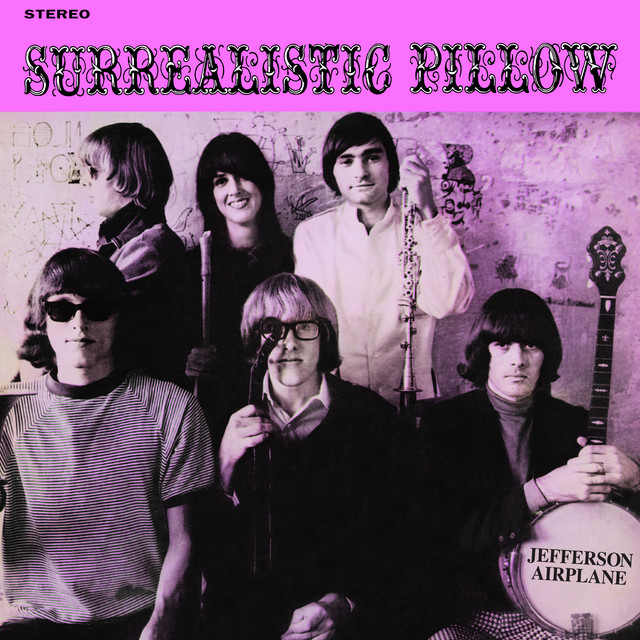
Surrealistic Pillow
Jefferson Airplane
1968
Quicksilver Messenger Service
Quicksilver Messenger Service
1968
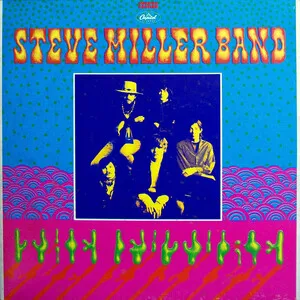
Children of the Future
Steve Miller Band
1971
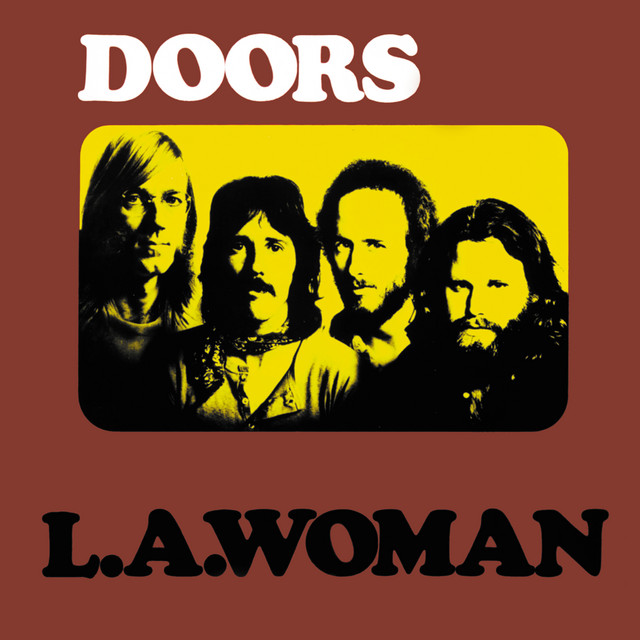
L.A. Woman
The Doors
1967
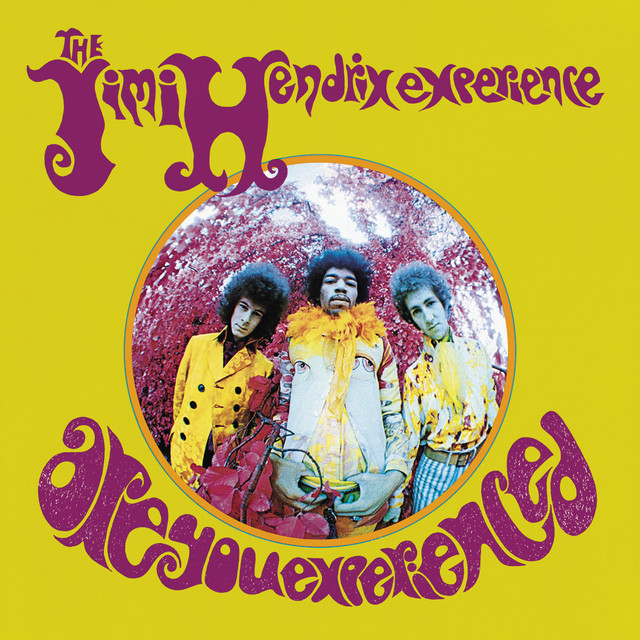
Are You Experienced
Jimi Hendrix
1969
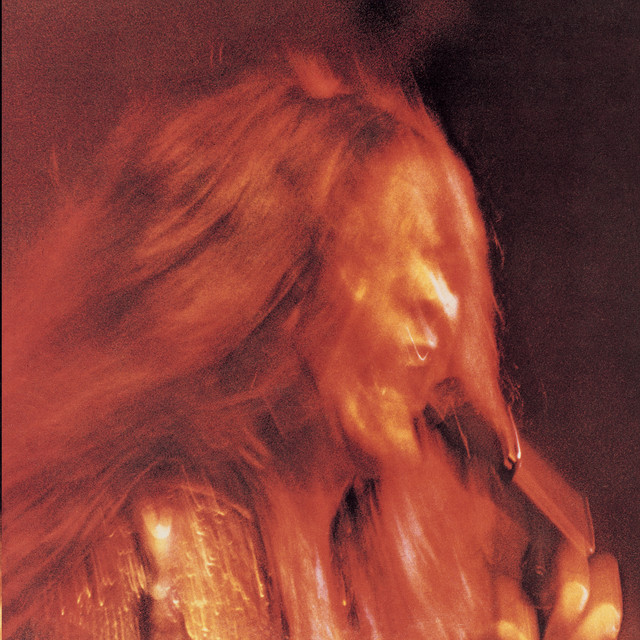
I Got Dem Ol' Kozmic Blues Again Mama!
Janis Joplin
1997
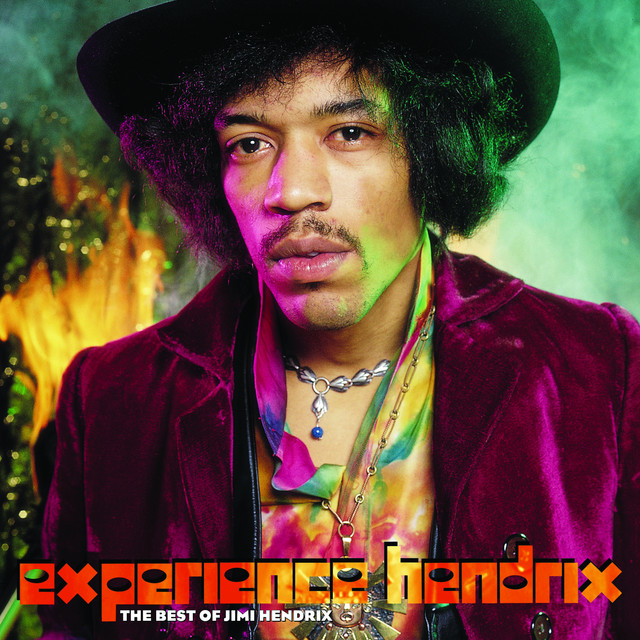
Experience Hendrix: The Best Of Jimi Hendrix
Jimi Hendrix
1969
Santana
Santana
1971
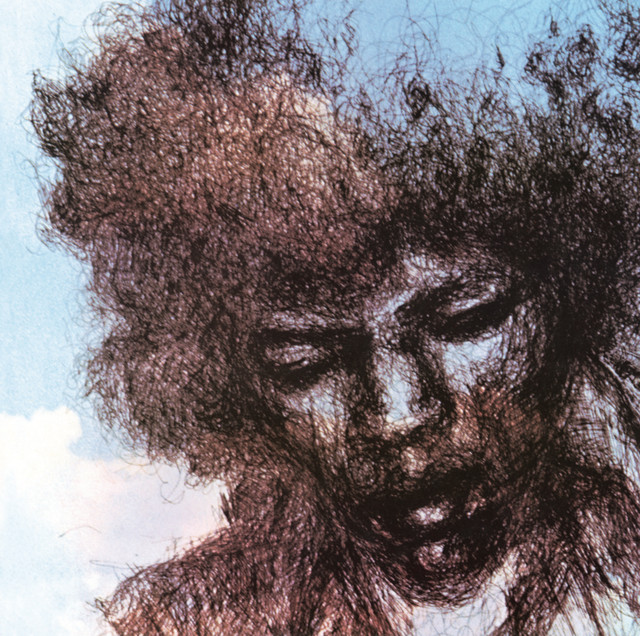
The Cry of Love
Jimi Hendrix
1967
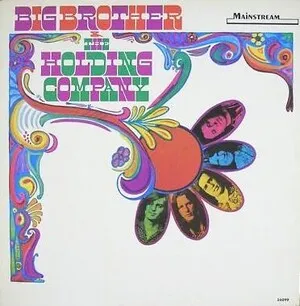
Big Brother & The Holding Company
Big Brother & The Holding Company
Download our mobile app
Get the Melodigging app and start digging for new genres on the go
Download on the App Store
Get it on Google Play
© 2026 Melodigging
Give feedback
Legal
Melodding was created as a tribute to
Every Noise at Once
, which inspired us to help curious minds keep digging into music's ever-evolving genres.