Genres
Make Music
Artists
Albums
Challenges
Sign in
Sign in
Albums
By Santana
Albums
By Santana
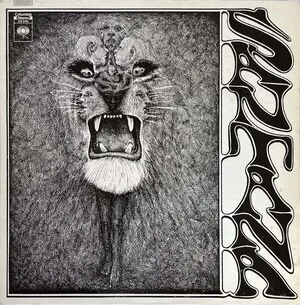
Santana
August 30, 1969
Listen
3
/5
Genres
San Francisco Sound
The San Francisco Sound refers to the distinctive, improvisation-heavy psychedelic rock that emerged from the San Francisco Bay Area—especially Haight-Ashbury—during the mid-to-late 1960s. It is characterized by long, modal jams; a live-first ethos; prominent use of electric guitars with feedback and distortion; fluid, conversational improvisation among players; and a communal, countercultural sensibility. Bands frequently blended blues, folk, country, R&B, jazz, and raga influences, often incorporating droning textures, extended solos, and striking dynamic arcs. The scene was as much about place and community as sound: Bill Graham’s Fillmore, the Avalon Ballroom, light shows, the Acid Tests, underground FM radio, and Owsley Stanley’s high-fidelity sound systems all helped forge a large-room, enveloping live aesthetic that came to define the movement.
Discover
Listen
Latin Rock
Latin rock blends the instrumentation and attitude of rock with Afro‑Latin and Caribbean rhythms, percussion, and song forms. Typical bands combine electric guitars, bass, and drum kit with congas, bongos, timbales, and hand percussion, creating a driving, danceable groove grounded in the clave. Vocals may be in Spanish, Portuguese, Spanglish, or English, and lyrics range from love songs and urban life to social and political commentary. Harmonically, Latin rock draws from blues/rock progressions but frequently incorporates modal colors (Dorian, Mixolydian) and montuno‑style vamps borrowed from salsa and Afro‑Cuban traditions. The result sits comfortably between club‑ready rhythm and arena‑sized rock energy.
Discover
Listen
Blues Rock
Blues rock is a guitar-driven style that fuses the raw feeling and 12‑bar structures of the blues with the power, volume, and rhythmic punch of rock. It emphasizes riff-based songs, pentatonic and blues-scale soloing, call‑and‑response between voice and guitar, and an expressive, often gritty vocal delivery. Typical ensembles are power trios (guitar, bass, drums) or quartet formats adding second guitar, keyboards, or harmonica, and performances commonly feature extended improvisation. Sonically, it favors overdriven tube-amp tones, sustained bends, vibrato, and dynamic contrasts, moving from shuffles and boogies to straight‑eighth rock grooves.
Discover
Listen
Rock
Rock is a broad family of popular music centered on amplified instruments, a strong backbeat, and song forms that foreground riffs, choruses, and anthemic hooks. Emerging from mid‑20th‑century American styles like rhythm & blues, country, and gospel-inflected rock and roll, rock quickly expanded in scope—absorbing folk, blues, and psychedelic ideas—while shaping global youth culture. Core sonic markers include electric guitar (often overdriven), electric bass, drum kit emphasizing beats 2 and 4, and emotive lead vocals. Rock songs commonly use verse–chorus structures, blues-derived harmony, and memorable melodic motifs, ranging from intimate ballads to high‑energy, stadium‑sized performances.
Discover
Listen
Latin
Latin (as a genre label) is a broad umbrella used by the recording industry to categorize popular music rooted in Latin America, the Caribbean, and the Iberian world, often characterized by syncopated Afro-diasporic rhythms, dance-forward grooves, and lyrics primarily in Spanish or Portuguese. As a marketplace category that took shape in the mid-20th century United States, it gathers diverse traditions—Afro-Cuban, Brazilian, Mexican, and Caribbean styles—into a shared space. In practice, "Latin" spans everything from big-band mambo and bolero ballads to contemporary pop, rock, hip hop, and dance fusions produced by artists of Latin American heritage.
Discover
Listen
Hispanic Music
Hispanic music is an umbrella term for the diverse body of Spanish‑language musical traditions originating in Spain and evolving across the Hispanic world of Latin America and the Caribbean. It encompasses folk, sacred, classical, and popular forms, and today includes everything from flamenco and bolero to salsa, norteño, bachata, rock en español, and reggaetón. Historically, it reflects a multilayered synthesis: Iberian song and dance practices, Catholic liturgical and art‑music lineages, and deep contributions from Indigenous American and West/Central African musics forged during the colonial era. The result is a family of styles united by language but varied in rhythm, instrumentation, and aesthetics, often emphasizing danceable grooves, expressive vocals, and storytelling lyrics.
Discover
Listen
Similar albums
1970
Abraxas
Santana
1971
Santana III
Santana
1994
El nervio del volcán
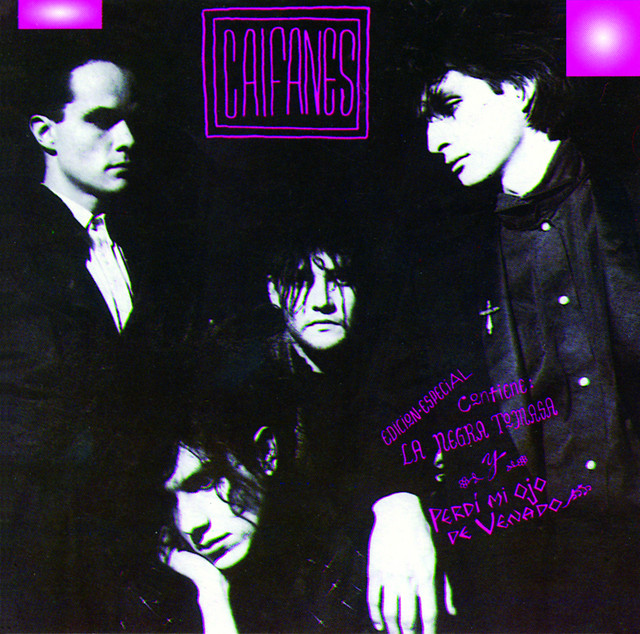
Caifanes
1988
Caifanes
Caifanes
2006
Amar Es Combatir
Maná
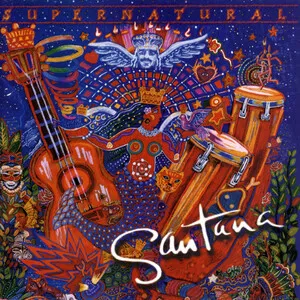
1999
Supernatural
Santana
1994
Re
Café Tacvba
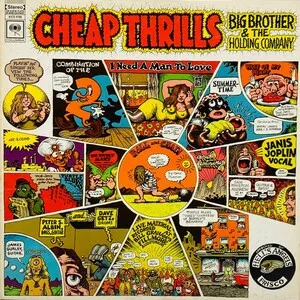
1968
Cheap Thrills
Big Brother & The Holding Company
1991
Los Tres
Los Tres
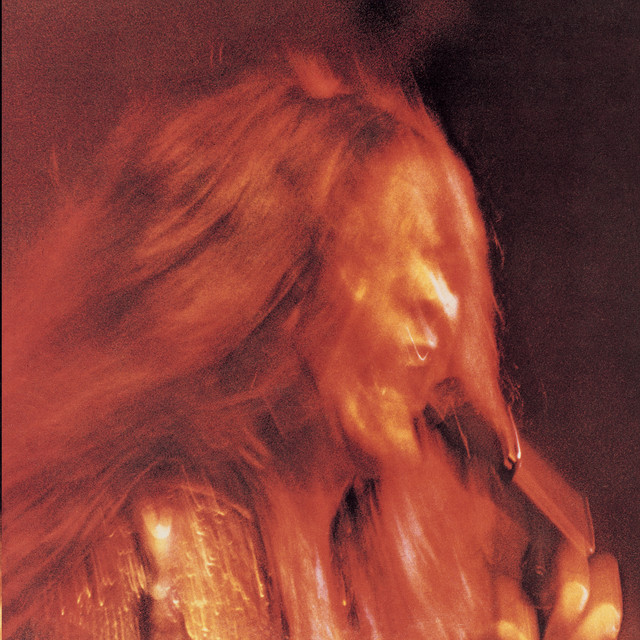
1969
I Got Dem Ol' Kozmic Blues Again Mama!
Janis Joplin
Download our mobile app
Get the Melodigging app and start digging for new genres on the go
Download on the App Store
Get it on Google Play
© 2026 Melodigging
Give feedback
Legal
Melodding was created as a tribute to
Every Noise at Once
, which inspired us to help curious minds keep digging into music's ever-evolving genres.