Genres
Artists
Albums
Make Music
Sign in
Sign in
Albums
By Mario Castelnuovo-Tedesco
Albums
By Mario Castelnuovo-Tedesco
Castelnuovo-Tedesco, M.: Music for Two Guitars, Vol. 1 - Sonatina Canonica / Les Guitares Bien Temperees: Nos. 1-12
November 18, 2008
Listen
Genres
Violao
Violão refers to the Brazilian nylon‑string guitar idiom and its solo and accompaniment traditions. It centers on fingerstyle technique, syncopated rhythms, and flowing contrapuntal bass runs (baixarias) drawn from choro, samba, and salon repertoires. Typical performance blends classical right‑hand control with popular Brazilian grooves, producing rich harmonic colors (6/9 chords, altered dominants) and rhythmic elasticity. Both six‑string and seven‑string (violão de sete cordas) variants are used, the latter expanding bass counterpoint in choro and samba contexts. Although often instrumental, the style also functions as a refined accompaniment practice for modinha, seresta, and MPB singers.
Discover
Listen
Classical Guitar Duo
Classical guitar duo is a chamber-music format centered on two nylon‑string (Spanish) guitars performing together as equal partners. The duo draws on an extensive repertoire of original 19th‑ and 20th‑century works as well as artful arrangements from the Baroque, Classical, Romantic and modern eras. Musically, the idiom balances contrapuntal clarity (two independent polyphonic instruments) with blended timbre and subtle colors—rest and free strokes, natural/artificial harmonics, sul tasto/sul ponticello, tambora, golpe and selective rasgueado. Textures range from two-part counterpoint and chorale writing to arpeggiated figurations, hocketing lines and antiphonal dialogue. While rooted in European classical tradition (Sor, Giuliani, Carulli), the contemporary duo scene also embraces Latin American voices (Piazzolla, Gnattali, Brouwer, Assad) and sensitive transcriptions of keyboard, orchestral and vocal works.
Discover
Listen
Violao Classico
Violão clássico is the Brazilian Portuguese term for the classical guitar tradition: solo and ensemble repertoire performed on a nylon‑string (Spanish) guitar with notated scores, formal concert technique, and aesthetic roots in Western art music. While the modern classical guitar developed in 19th‑century Spain, the “violão” identity crystallized in Brazil through composers and performers who fused European forms (preludes, études, suites) with Brazilian melodies, harmonies, and rhythmic cells. The instrument’s warm timbre, polyphonic potential, and idiomatic right‑hand techniques (apoyando/tirando, arpeggios, tremolo, rasgueado) make it a complete orchestra in miniature. In Brazil, this tradition both preserves the canon (from Renaissance/Baroque transcriptions to Romantic originals) and expands it with a distinctive national voice.
Discover
Listen
Similar albums
1993
Rameau, Scarlatti, Couperin, Bach
Sergio & Odair Assad
2013
Projeto Memoria Brasileira : Viva Garoto
Garoto
2014
Gilbertos Samba
Gilberto Gil
1991
Raphael Rabello & Dino 7 Cordas
Raphael Rabello & Dino Sete Cordas
1991
Original Classic Recordings Vol. I
Jacob Do Bandolim
1977
O violão brasileiro tocado pelo avesso
Canhoto da Paraíba
1998
Trio Madeira Brasil
Trio Madeira Brasil
1998
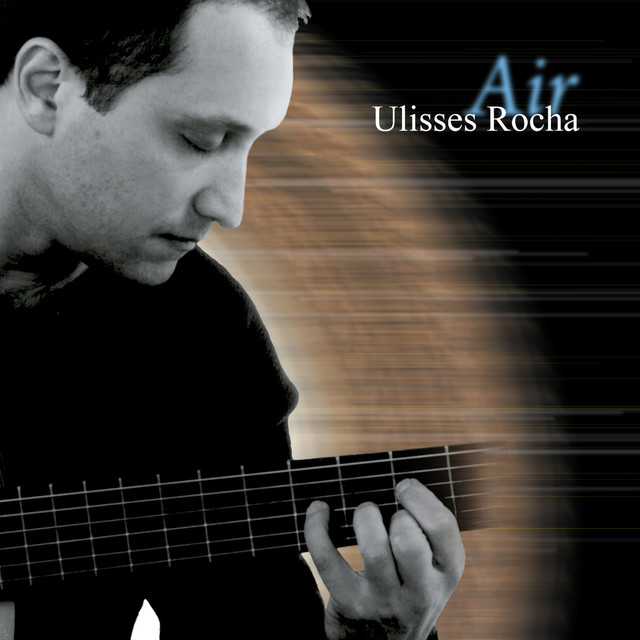
Ar
Ulisses Rocha
1993
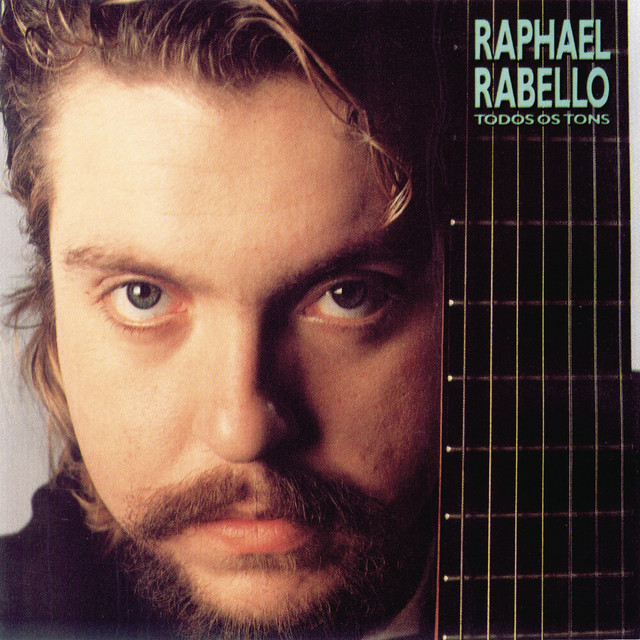
Todos os Tons
Raphael Rabello
2014
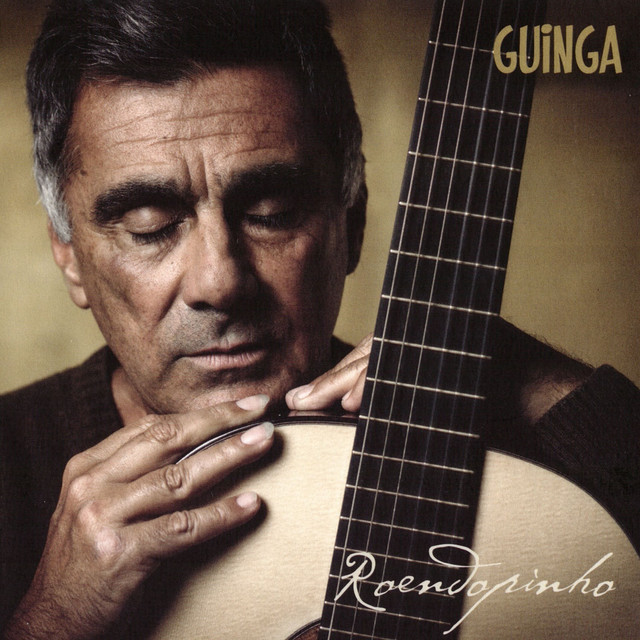
Roendopinho
Guinga
Download our mobile app
Get the Melodigging app and start digging for new genres on the go
Download on the App Store
Get it on Google Play
© 2026 Melodigging
Give feedback
Legal
Melodding was created as a tribute to
Every Noise at Once
, which inspired us to help curious minds keep digging into music's ever-evolving genres.