Genres
Make Music
Artists
Albums
Challenges
Sign in
Sign in
Albums
By Little Richard
Albums
By Little Richard
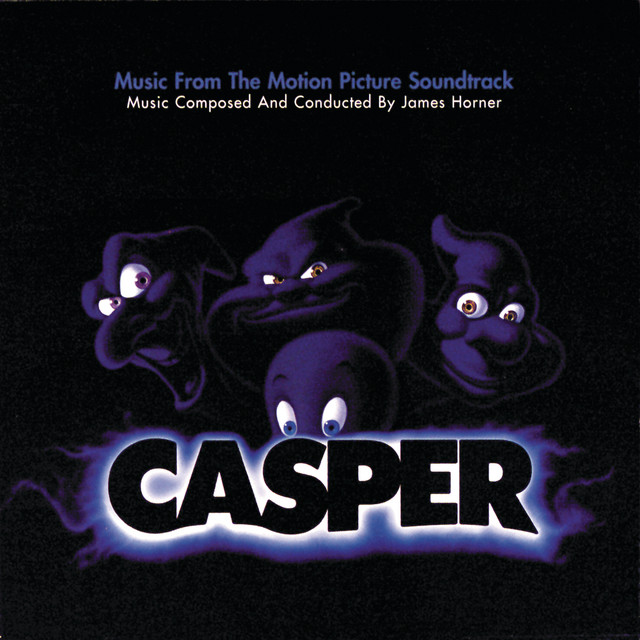
Casper
January 1, 1995
Listen
3
/5
Genres
Rock And Roll
Rock and roll is a high-energy, dance-oriented popular music style that emerged in the United States in the early-to-mid 1950s. It fuses the 12‑bar blues and boogie‑woogie with the backbeat and instrumentation of rhythm & blues, the twang and storytelling of country, and the fervor of gospel. Its hallmark sound centers on a strong backbeat (accented on beats 2 and 4), driving rhythm sections, electric guitar riffs, prominent piano or saxophone leads, and catchy, chorus-forward songwriting. Typical harmonies revolve around I–IV–V progressions, often in 12-bar form, with swung or shuffle feels and punchy turnarounds. Culturally, rock and roll catalyzed a youth movement linked to dancing, teen identity, and social change. It bridged racial audiences by popularizing Black American musical traditions for mainstream listeners, and it laid the foundation for subsequent rock styles and much of modern pop.
Discover
Listen
Rockabilly
Rockabilly is one of the earliest styles of rock and roll, fusing the twang and storytelling of Southern country ("hillbilly") with the driving backbeat and boogie of rhythm & blues and jump blues. It is marked by slap‑back echo on vocals and guitar, slapping upright bass, twangy hollow‑body electrics, and energetic, danceable grooves. The classic rockabilly sound emerged from mid‑1950s Memphis studios such as Sun Records, where minimal drum kits (or none at all) mixed with percussive bass and bright, overdriven guitars. Songs are typically short, hooky, and built on 12‑bar blues or simple I–IV–V progressions, with lyrics about love, cars, dancing, and youthful rebellion.
Discover
Listen
Pop
Pop is a broad, hook-driven style of popular music designed for wide appeal. It emphasizes memorable melodies, concise song structures, polished vocals, and production intended for radio, charts, and mass media. While pop continually absorbs elements from other styles, its core remains singable choruses, accessible harmonies, and rhythmic clarity. Typical forms include verse–pre-chorus–chorus, frequent use of bridges and middle-eights, and ear-catching intros and outros. Pop is not defined by a single instrumentation. It flexibly incorporates acoustic and electric instruments, drum machines, synthesizers, and increasingly digital production techniques, always in service of the song and the hook.
Discover
Listen
Doo-Wop
Doo-wop is a vocal harmony–driven style of rhythm and blues that blossomed in mid-century urban America. Built around lead-tenor melodies, lush background harmonies, and playful nonsense syllables (the source of its name), the genre blends church-bred gospel techniques with street-corner spontaneity. Musically, doo-wop favors simple, singable chord cycles—especially the “’50s progression” (I–vi–IV–V)—a steady 4/4 or lilting 12/8 feel, and call-and-response between lead and backing parts. Arrangements range from a cappella to small combos with guitar, piano, bass, light drums, and occasional saxophone. Lyrically, the songs are often teen-centered: romance, longing, heartbreak, and devotion. The sound emerged in the late 1940s within African-American communities and soon resonated across ethnic lines, inspiring groups in cities such as New York, Philadelphia, Chicago, Detroit, and Los Angeles. Its polished harmonies, sweet ballads, and hooky refrains helped shape early rock and roll and later pop harmony traditions.
Discover
Listen
Soundtrack
Soundtrack is music created to accompany and enhance visual media such as film, television, and video games. It includes original scores (instrumental or vocal music composed specifically for the picture) and, at times, curated compilations of pre-existing songs. Stylistically, soundtrack is a meta-genre that can encompass orchestral symphonic writing, jazz, electronic and synth-driven textures, choral forces, popular song, and experimental sound design. Its defining trait is functional storytelling: themes, motifs, harmony, rhythm, and timbre are shaped by narrative needs, character psychology, pacing, and editing. Common features include leitmotifs for characters or ideas, modular cues that can be edited to picture, dynamic orchestration for dramatic range, and production approaches that sit well under dialogue and sound effects. Because it must synchronize to picture, soundtrack often uses clear dramatic arcs, tempo maps, and hit points.
Discover
Listen
Boogie-Woogie
Boogie-woogie is a highly rhythmic, piano-centered branch of the blues distinguished by its driving “eight-to-the-bar” left-hand ostinato and improvised right-hand riffs. While it shares the 12‑bar blues framework and blue-note vocabulary, it places an unusually strong emphasis on groove, forward motion, and danceability. Typically performed at brisk tempos, the style features a rolling, repeated bass pattern in broken octaves (or a walking single-note line) that locks into a shuffle or 12/8 swing feel. Over this foundation, the right hand plays syncopated licks, triplet figures, crushed grace notes, tremolos, and call‑and‑response motifs, often quoting and varying short, catchy riffs. The result is a propulsive, celebratory sound designed for social dancing and energetic performance.
Discover
Listen
Classical
Classical music is the notated art-music tradition of Europe and its global descendants, characterized by durable forms, carefully codified harmony and counterpoint, and a literate score-based practice. The term “classical” can refer broadly to the entire Western art-music lineage from the Medieval era to today, not just the Classical period (c. 1750s–1820s). It privileges long-form structures (such as symphonies, sonatas, concertos, masses, and operas), functional or modal harmony, thematic development, and timbral nuance across ensembles ranging from solo instruments to full orchestras and choirs. Across centuries, the style evolved from chant and modal polyphony to tonal harmony, and later to post-tonal idioms, while maintaining a shared emphasis on written notation, performance practice, and craft.
Discover
Listen
Similar albums
1978
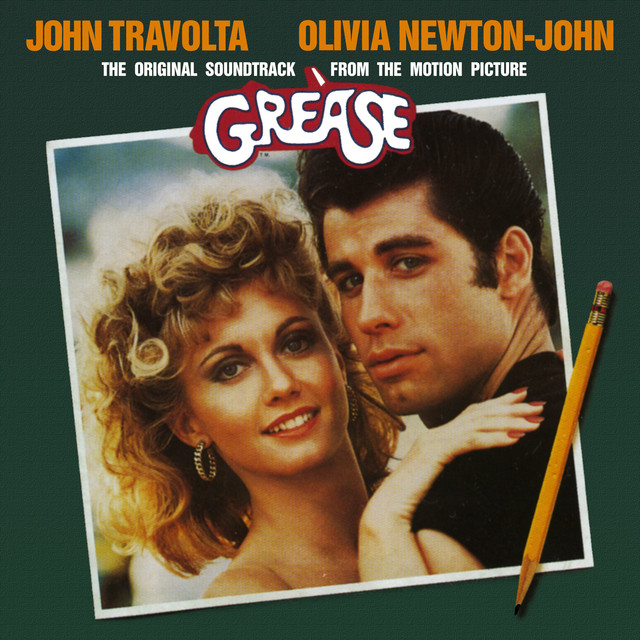
Grease (The Original Motion Picture Soundtrack)
Frankie Valli
1969
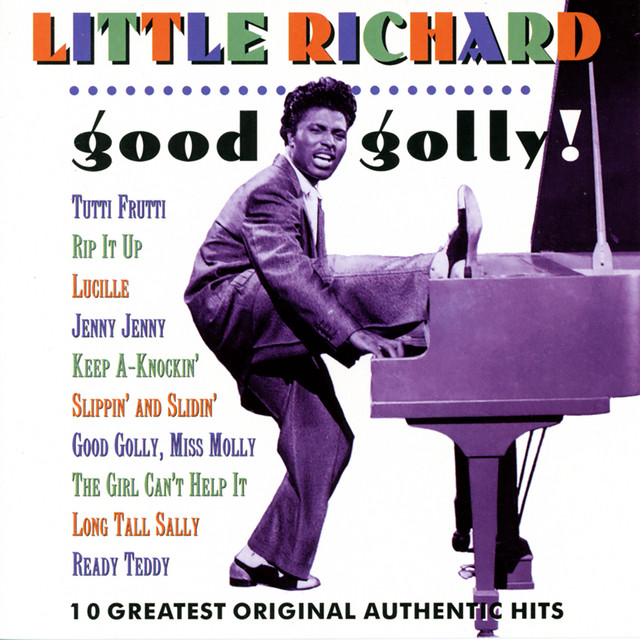
Good Golly!
Little Richard
2015
The Wrecking Crew
Ritchie Valens
1961
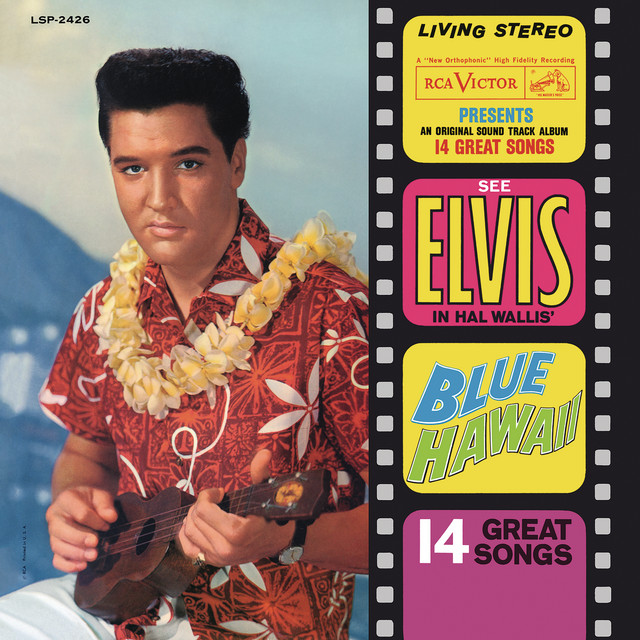
Blue Hawaii
Elvis Presley
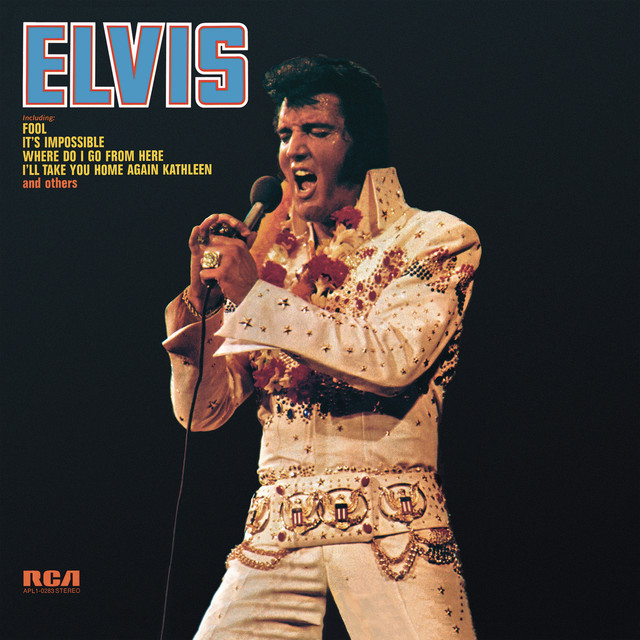
1973
Elvis (Fool)
Elvis Presley
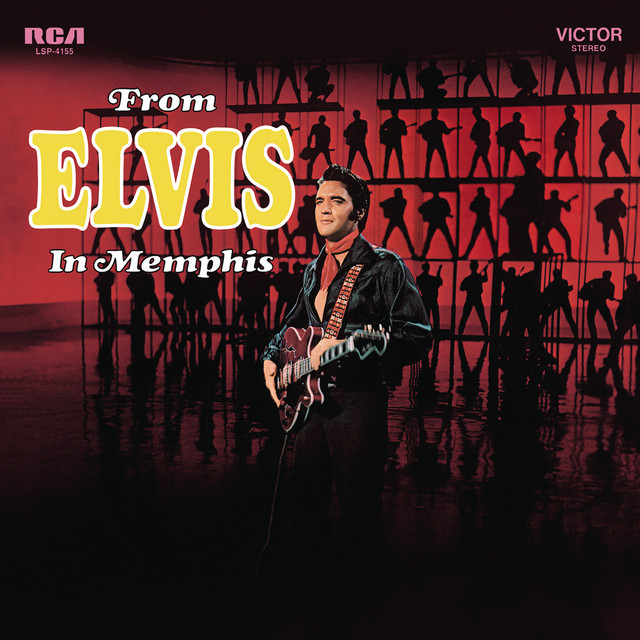
1969
From Elvis in Memphis
Elvis Presley
2002
Elvis 30 #1 Hits
Elvis Presley
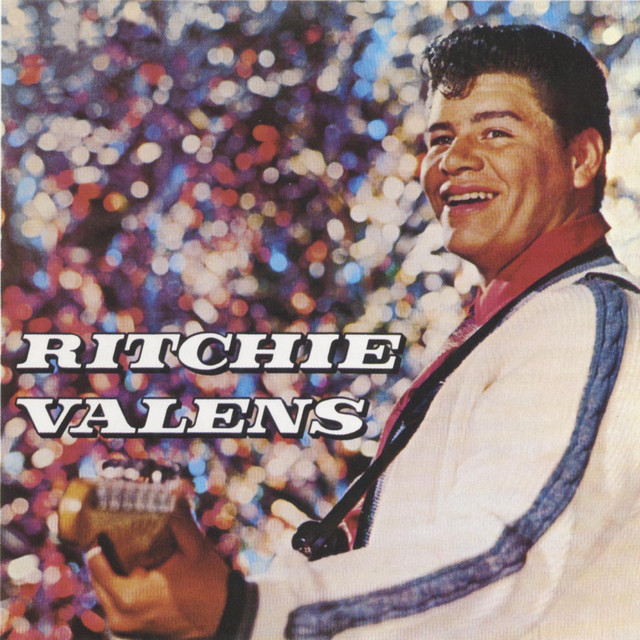
1959
Ritchie Valens
Ritchie Valens
2003
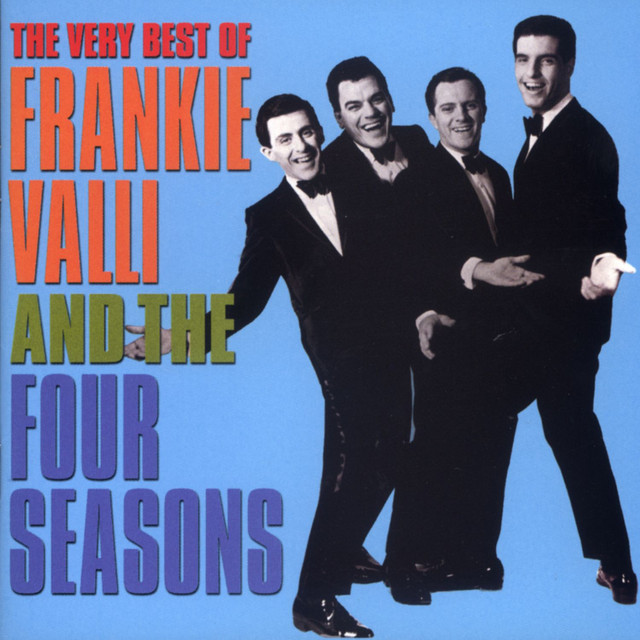
The Very Best of Frankie Valli & The 4 Seasons
Frankie Valli
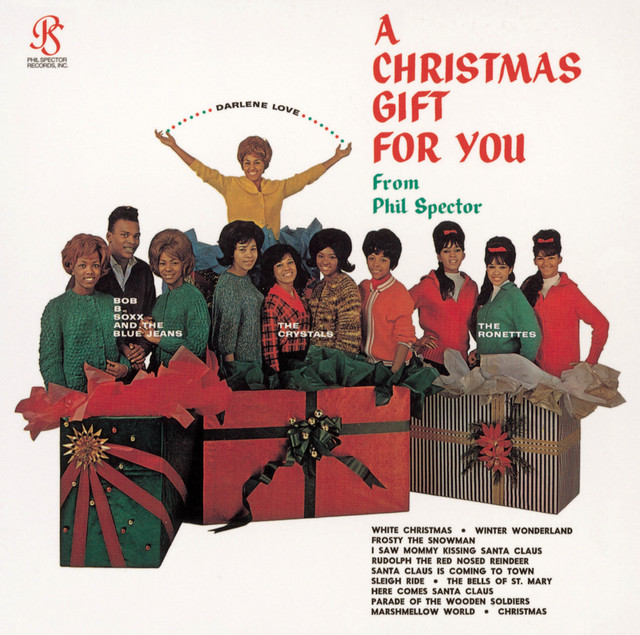
1963
A Christmas Gift for You From Philles Records
Download our mobile app
Get the Melodigging app and start digging for new genres on the go
Download on the App Store
Get it on Google Play
© 2026 Melodigging
Give feedback
Legal
Melodding was created as a tribute to
Every Noise at Once
, which inspired us to help curious minds keep digging into music's ever-evolving genres.