Genres
Make Music
Artists
Albums
Challenges
Sign in
Sign in
Albums
By Inti-Illimani
Albums
By Inti-Illimani
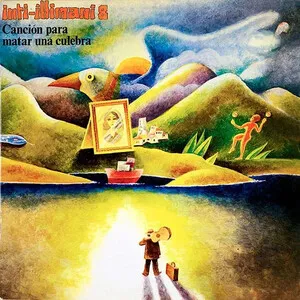
Canción para matar una culebra
January 1, 1991
Listen
2
/5
Genres
Nueva Canción Chilena
Nueva canción chilena is a socially engaged song movement that arose in Chile in the 1960s, blending traditional Chilean and Andean folk idioms with contemporary, often left-leaning political and poetic lyrics. Musically it draws on cueca, tonada, huayno, and carnavalito grooves and timbres, foregrounding acoustic textures such as charango, quena, zampoña, guitar, and bombo legüero. Vocals are central—solo or choral—with clear, story-driven delivery. The result is a repertoire that feels both rooted in the rural and indigenous past and urgently modern in its message. Beyond its aesthetics, the genre functioned as a cultural movement: it organized peñas (folk venues), independent labels, and collective ensembles to channel popular demands for social justice, workers’ rights, and national identity. Its songs became anthems of solidarity across Latin America and the world.
Discover
Listen
Chilean Music
Chilean music is an umbrella term for the diverse musical practices that developed in Chile, spanning rural folk traditions, urban popular music, and modern hybrid scenes. Its core pillars include the cueca (the national dance), the tonada chilena, and Andean-influenced folk, alongside later movements such as Nueva Canción Chilena, rock en español, cumbia chilena, indie pop/rock, hip hop, reggaetón, and experimental scenes. Forged at the crossroads of Indigenous (Mapuche and Andean), Iberian (Spanish folk and salon forms), and Afro-diasporic currents (via the zamacueca), Chilean music combines characteristic strummed guitars, the guitarrón chileno and paya traditions, Andean winds (quena, zampoña), cueca’s stamping rhythms and pandero hand drum, and poetic, socially conscious lyricism. In the 20th century it became a continental reference through Nueva Canción’s politically engaged songwriting and later through rock, pop, and urban genres that placed Chile on the global map.
Discover
Listen
Indigenous Andean Music
Indigenous Andean music refers to the ceremonial, communal, and dance music of Quechua, Aymara, and other native peoples of the Andean highlands of present-day Peru, Bolivia, Ecuador, northern Chile, and northwestern Argentina. It is characterized by panpipe ensembles (siku/zampoña, antara), end-blown flutes (quena, pinkillu), block flutes (tarka), large double-headed drums (wankara/bombo), and—since the colonial period—the charango. Ensembles often play in interlocking pairs (ira/arca), creating hocketed melodies, dense heterophony, and a powerful collective sound suitable for processions and open-air festivals. Melodically, pentatonic and hexatonic scales are common, with flexible, non-equal-tempered tunings. Rhythms favor duple meters (2/4) and 6/8 feels, with frequent sesquialtera (3:2) interplay that drives circle and line dances. Vocals tend toward group singing, call-and-response, and timbres that prioritize projection in outdoor contexts. The music is inseparable from agricultural cycles, community identity (ayllu), and ritual calendars.
Discover
Listen
Similar albums
1971
El derecho de vivir en paz
Víctor Jara
1969
Pongo en tus manos abiertas...
Víctor Jara
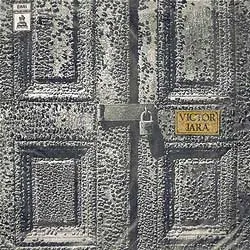
1966
Víctor Jara
Víctor Jara
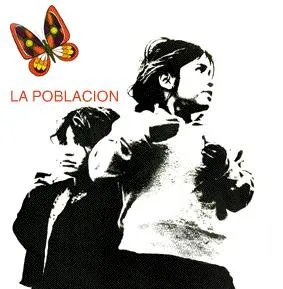
1972
La población
Víctor Jara
1970
Canto libre
Víctor Jara
1970
Santa María de Iquique - Cantata popular
Quilapayún
2001
Canciones de la guerra civil española
Rolando Alarcón
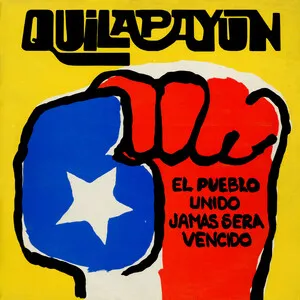
1974
El pueblo unido jamas sera vencido
Quilapayún
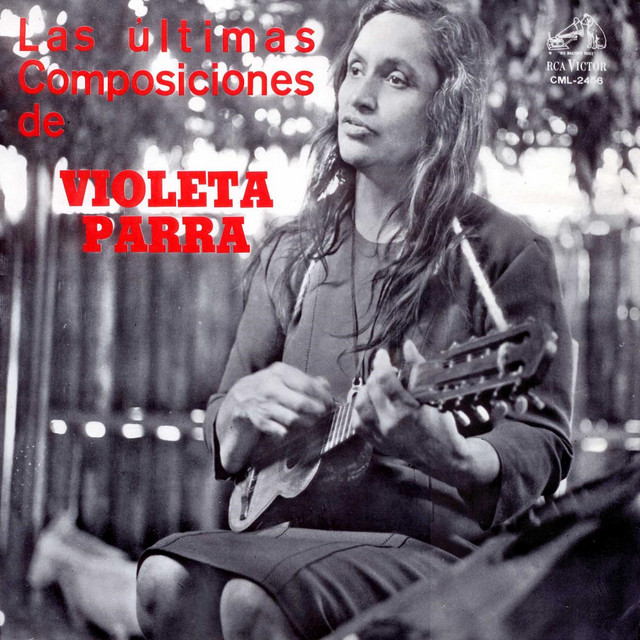
2023
Las últimas composiciones de Violeta Parra
Violeta Parra
1969
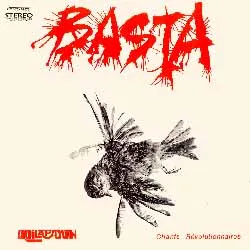
Basta
Quilapayún
Download our mobile app
Get the Melodigging app and start digging for new genres on the go
Download on the App Store
Get it on Google Play
© 2026 Melodigging
Give feedback
Legal
Melodding was created as a tribute to
Every Noise at Once
, which inspired us to help curious minds keep digging into music's ever-evolving genres.