Genres
Make Music
Artists
Albums
Challenges
Sign in
Sign in
Albums
By Parliament
Albums
By Parliament
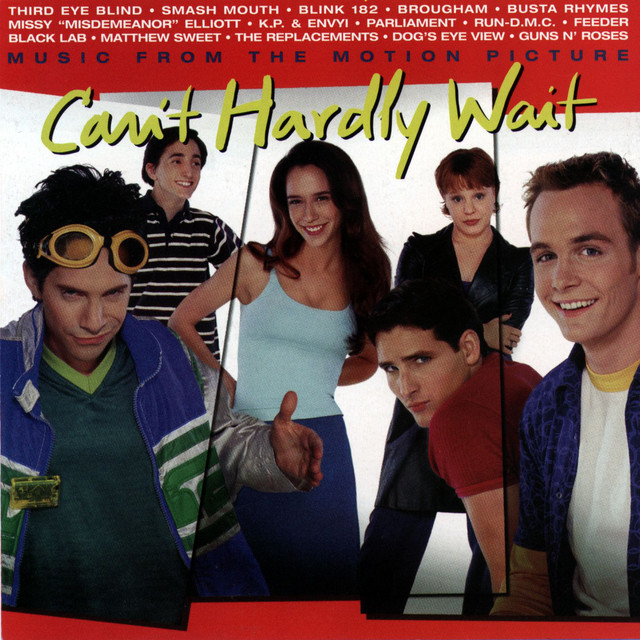
Can't Hardly Wait
May 26, 1998
Listen
3
/5
Genres
Uk Funky
UK funky is a London-born club style that fuses house music’s four-on-the-floor pulse with syncopated, Afro‑Caribbean percussion and a distinctly British bass sensibility. Usually sitting around 125–130 BPM, it favors swung, polyrhythmic drum patterns, rolling subs, and concise chord stabs over maximal, ravey textures. Vocals range from soulful, R&B‑leaning hooks to MC chants and call‑and‑response crowd shouts, keeping the dancefloor feel front and center. The result is a percussive, party‑focused sound that bridges house, UK garage, and African/Caribbean rhythmic DNA, while retaining DJ‑friendly structures and space for singers and MCs.
Discover
Listen
Grunge Pop
Grunge pop blends the thick, fuzzy guitars and angst-ridden sensibility of grunge with the ear-catching hooks, concise song structures, and sing-along choruses of mainstream pop and power pop. Compared to classic Seattle grunge, grunge pop typically features tighter arrangements, brighter vocal melodies, and more polished production, while still retaining quiet–loud dynamics, power‑chord riffs, and a slightly gritty timbre. The lyrics lean toward themes of alienation, coming-of-age tension, relationships, and everyday frustration, but they are delivered in a way that’s radio-friendly and immediate.
Discover
Listen
Atlanta Bass
Atlanta bass is a high‑energy Southern hip hop offshoot that took the turbocharged, TR‑808 thump of Miami bass and gave it a distinctly ATL identity. It emphasizes booming sub‑bass, tom/cowbell fills, chantable hooks, and party‑centric or risqué lyrics made for skating rinks, car systems, and strip clubs. Typical tracks run fast and minimal, driven by tuned 808 kicks, snappy claps/snares, and short, catchy synth riffs, with call‑and‑response vocals that hype the crowd. The style acted as a bridge between electro‑rooted bass music and the later crunk, snap, and trap waves that would define Atlanta’s global rap sound.
Discover
Listen
P-Funk
P-funk (short for Parliament-Funkadelic or pure funk) is a highly amplified, psychedelic strain of funk characterized by deep, “on-the-one” grooves, rubbery bass lines, dense horn and vocal arrangements, and sci‑fi mythology. It blends earthy danceability with surreal, cosmic imagery and extended jam-based song forms. Centering around George Clinton’s Parliament and Funkadelic collectives, P-funk turned funk into an expansive, theatrical universe. Its sound mixes gospel call‑and‑response, soul harmonies, psychedelic rock guitars, and analog synthesizers into a thick, syncopated stew designed for both the dance floor and immersive listening. The result is music that is at once humorous and visionary, gritty and cosmic.
Discover
Listen
Afrofuturism
Afrofuturism in music blends Black diasporic musical traditions with science-fiction, speculative history, and visions of liberated futures. It fuses the grooves of funk and soul, the harmonic adventurousness of jazz, and the synthetic timbres of electronic music with cosmic imagery, myth-making, and techno-utopian (and often techno-critical) narratives. Sonically, it favors analog and digital synthesizers, vocoders and talkboxes, spacey effects, hypnotic basslines, and polyrhythmic drumming that points back to African rhythmic logics. Lyrically and visually, it imagines alternate timelines, extraterrestrial migrations, underwater civilizations, and high-tech Black modernities as vehicles for cultural memory, self-determination, and critique.
Discover
Listen
Funk Rock
Funk rock is a hybrid style that fuses the syncopated grooves, percussive rhythm guitar, and deep pocket of funk with the distorted riffs, power, and song forms of rock. Typical tracks feature tight, 16th‑note rhythmic interplay between bass, drums, and rhythm guitar, while lead guitars and vocals deliver rock’s edge and attitude. The harmony often stays close to dominant 7th (Mixolydian) colors and blues vocabulary, keeping the groove front and center. The style ranges from psychedelic and P‑Funk‑inflected experiments of the late 1960s and 1970s to the punchy alternative and crossover sounds of the 1980s and 1990s, and it continues to inform dance‑oriented rock and genre‑blending bands today.
Discover
Listen
Classic Soul
Classic soul is the 1960s–early 1970s strain of soul music that fused gospel's emotive vocals and church-derived harmony with the backbeat and instrumentation of rhythm & blues. It emphasizes powerful lead singing, call-and-response with background vocals, tight rhythm sections, and punchy horn arrangements. The sound ranges from uptempo, danceable singles to deeply expressive ballads in 12/8 time. Production is typically warm and analog, with live bands, tambourine and handclaps on the backbeat, and arrangements crafted for immediacy and drama. Lyrical themes center on love, heartbreak, perseverance, community, and, at times, social conscience.
Discover
Listen
Pop
Pop is a broad, hook-driven style of popular music designed for wide appeal. It emphasizes memorable melodies, concise song structures, polished vocals, and production intended for radio, charts, and mass media. While pop continually absorbs elements from other styles, its core remains singable choruses, accessible harmonies, and rhythmic clarity. Typical forms include verse–pre-chorus–chorus, frequent use of bridges and middle-eights, and ear-catching intros and outros. Pop is not defined by a single instrumentation. It flexibly incorporates acoustic and electric instruments, drum machines, synthesizers, and increasingly digital production techniques, always in service of the song and the hook.
Discover
Listen
Rock
Rock is a broad family of popular music centered on amplified instruments, a strong backbeat, and song forms that foreground riffs, choruses, and anthemic hooks. Emerging from mid‑20th‑century American styles like rhythm & blues, country, and gospel-inflected rock and roll, rock quickly expanded in scope—absorbing folk, blues, and psychedelic ideas—while shaping global youth culture. Core sonic markers include electric guitar (often overdriven), electric bass, drum kit emphasizing beats 2 and 4, and emotive lead vocals. Rock songs commonly use verse–chorus structures, blues-derived harmony, and memorable melodic motifs, ranging from intimate ballads to high‑energy, stadium‑sized performances.
Discover
Listen
R&b
R&B (Rhythm and Blues) is a vocal- and groove-centered popular music tradition that blends blues tonality, jazz harmony, and gospel-inflected singing with a steady backbeat. It emphasizes expressive lead vocals, call-and-response, lush harmonies, and danceable rhythms. From its 1940s roots in African American communities to its later evolutions, R&B has continually absorbed and reshaped surrounding sounds—from jump blues and swing in the early days to soul, funk, hip hop, and electronic production in the contemporary era. Today, R&B ranges from intimate, slow-burning ballads to club-ready tracks, all tied together by a focus on feel, melody, and vocal performance.
Discover
Listen
Similar albums
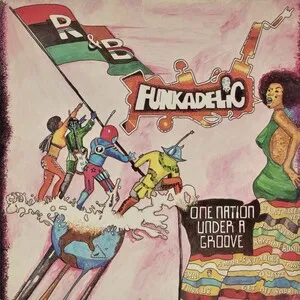
1978
One Nation Under a Groove
Funkadelic
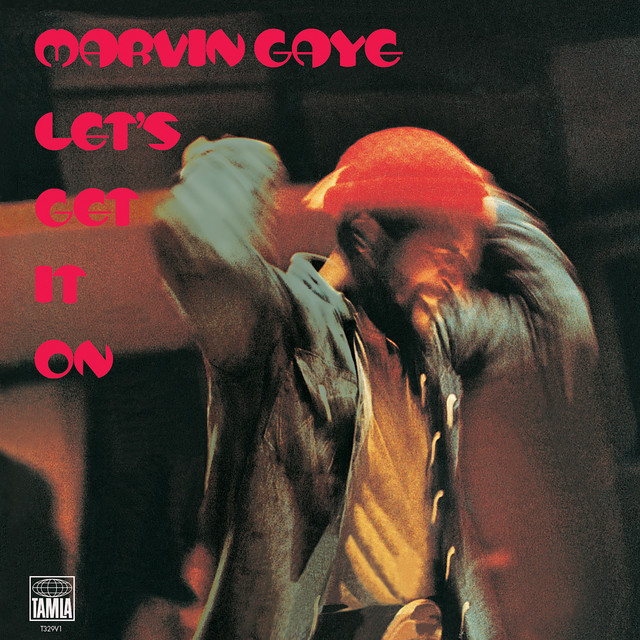
1973
Let's Get It On
Marvin Gaye
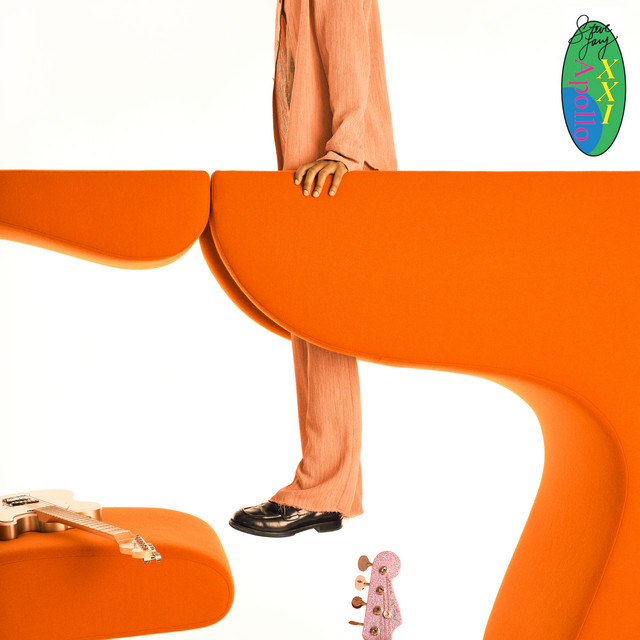
2019
Apollo XXI
Steve Lacy
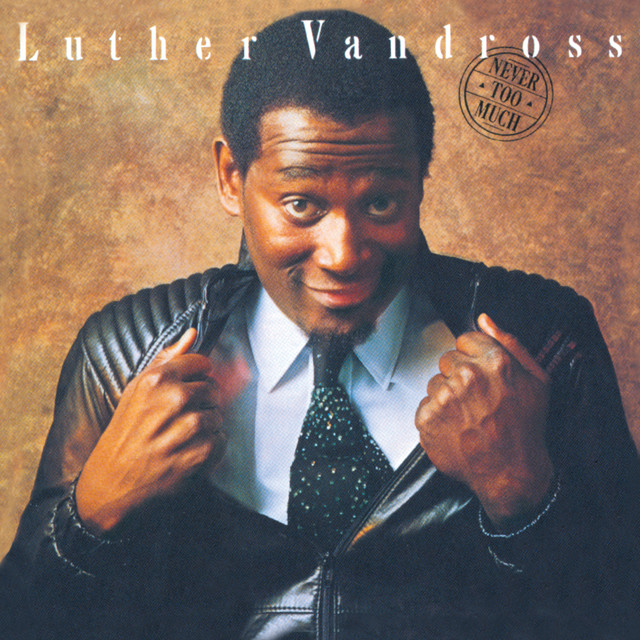
1981
Never Too Much
Luther Vandross
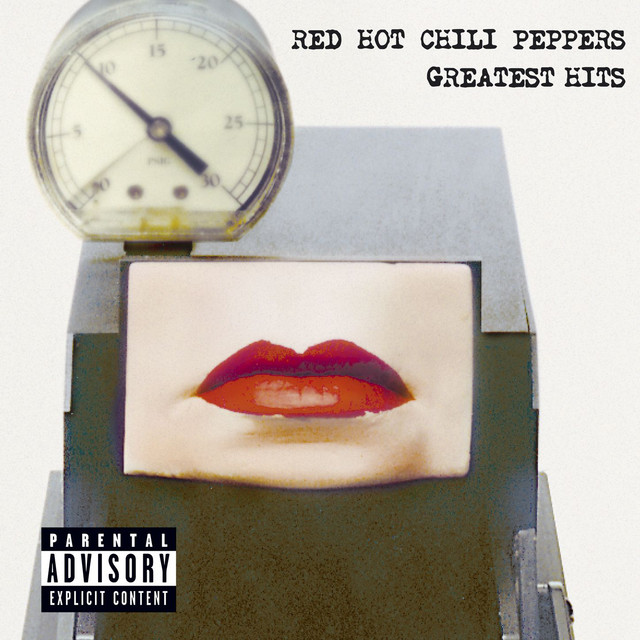
2003
Greatest Hits
Red Hot Chili Peppers
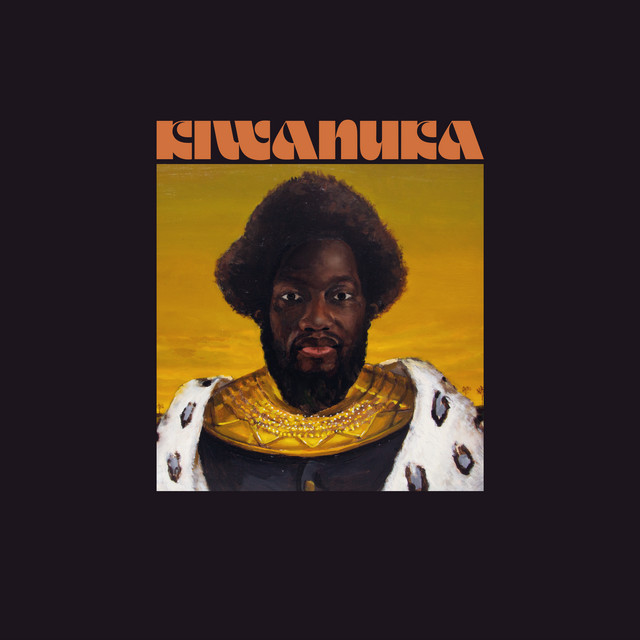
2019
Kiwanuka
Michael Kiwanuka
2012
True
Solange
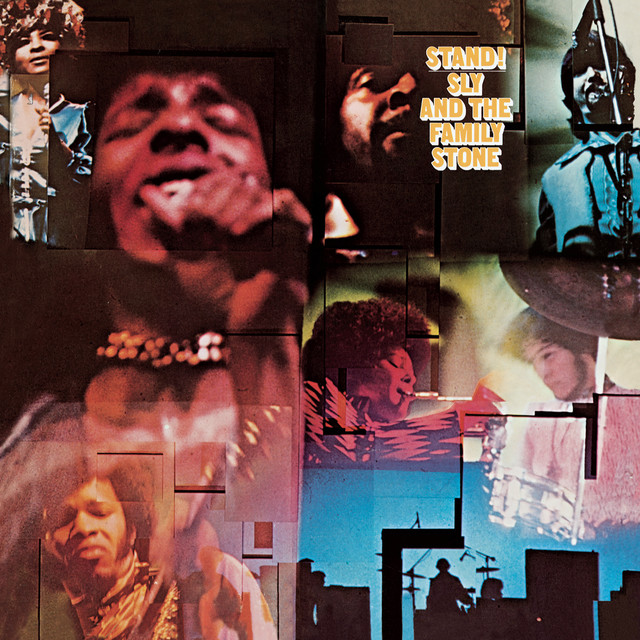
1969
Stand!
Sly & The Family Stone
1975
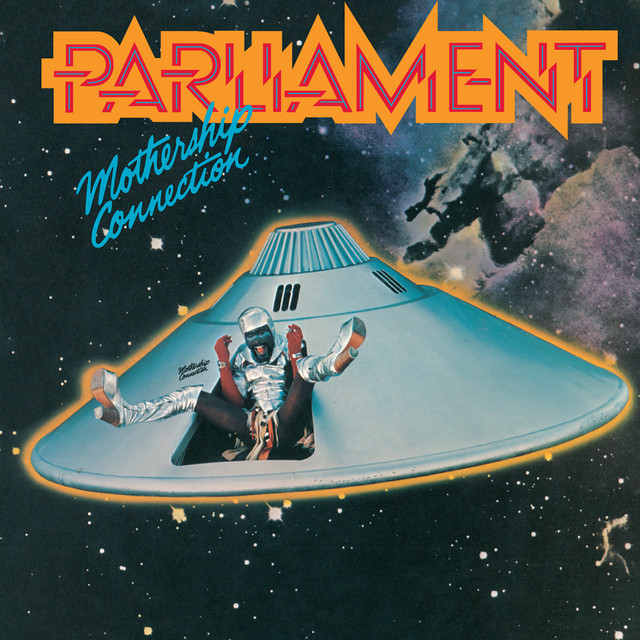
Mothership Connection
Parliament
2018
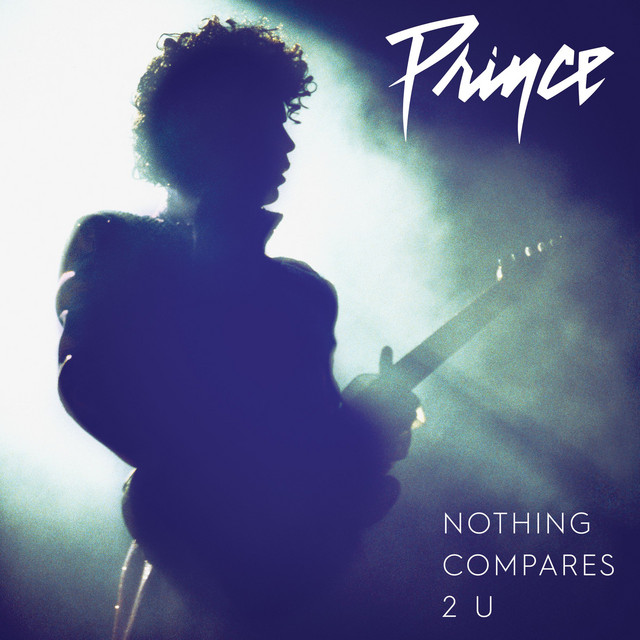
Nothing Compares 2 U
Prince
Download our mobile app
Get the Melodigging app and start digging for new genres on the go
Download on the App Store
Get it on Google Play
© 2026 Melodigging
Give feedback
Legal
Melodding was created as a tribute to
Every Noise at Once
, which inspired us to help curious minds keep digging into music's ever-evolving genres.