Genres
Make Music
Artists
Albums
Challenges
Sign in
Sign in
Albums
By Brian Eno
Albums
By Brian Eno
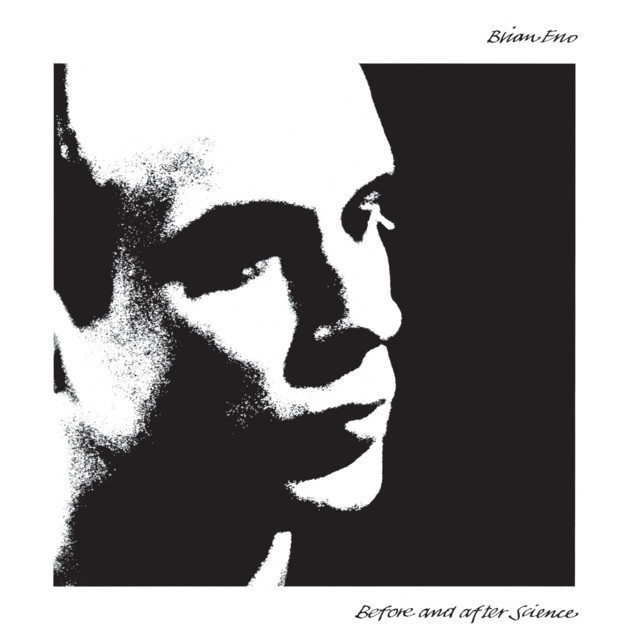
Before and After Science
November 1, 1977
Listen
3
/5
Genres
Fourth World
Fourth World is a term coined by trumpeter-composer Jon Hassell to describe a "unified primitive/futuristic sound" that blends ambient minimalism, non-Western traditional musics, and studio electronics into an imagined global music. The style is characterized by modal drones, cyclical hand percussion, and timbral experimentation (often through harmonizers, delays, and pitch-shifting) applied to acoustic instruments—famously Hassell’s processed trumpet—alongside sampled or evoked elements of African, Indian, Southeast Asian, and other traditions. Rather than ethnographic authenticity, Fourth World proposes an imaginative, post-geographic sound world where the studio acts as a cultural crossroads. Musically it favors slow to mid tempos, layered polyrhythms, pentatonic or raga-like modality, microtonal color, spacious reverbs, and textural foregrounding. The result is meditative and sensuous, at once ancient-sounding and hyper-modern.
Discover
Listen
Ambient
Ambient is a form of electronic and electroacoustic music that prioritizes tone, atmosphere, and texture over conventional song structures and rhythmic drive. It typically features slow-moving harmonies, sustained drones, gentle timbral shifts, and extensive use of space and silence. Rather than drawing attention to itself through hooks or beats, ambient is designed to be as ignorable as it is interesting, rewarding both background listening and focused immersion. Artists often employ synthesizers, samplers, tape loops, field recordings, and subtle acoustic instruments, with reverb and delay creating a sense of place. Substyles range from luminous, consonant soundscapes to darker, more dissonant atmospheres.
Discover
Listen
Art Rock
Art rock is a branch of rock music that treats the studio and the album as spaces for artistic experimentation, emphasizing conceptual ideas, ambitious arrangements, and cross-pollination with modernist and avant-garde traditions. It typically favors extended song forms, thematic or conceptual unity, and non-standard instrumentation (strings, woodwinds, synthesizers) alongside rock’s core band setup. Lyrically, it leans toward literary, surreal, or philosophical subjects and often adopts theatrical presentation. Where mainstream rock centers on immediacy and hooks, art rock embraces risk: unusual time signatures, timbral exploration, complex harmony, tape and electronic manipulation, and interludes that draw from classical, jazz, minimalism, and experimental music.
Discover
Listen
Rock
Rock is a broad family of popular music centered on amplified instruments, a strong backbeat, and song forms that foreground riffs, choruses, and anthemic hooks. Emerging from mid‑20th‑century American styles like rhythm & blues, country, and gospel-inflected rock and roll, rock quickly expanded in scope—absorbing folk, blues, and psychedelic ideas—while shaping global youth culture. Core sonic markers include electric guitar (often overdriven), electric bass, drum kit emphasizing beats 2 and 4, and emotive lead vocals. Rock songs commonly use verse–chorus structures, blues-derived harmony, and memorable melodic motifs, ranging from intimate ballads to high‑energy, stadium‑sized performances.
Discover
Listen
Similar albums
1977
Low
David Bowie
1975
Another Green World
Eno
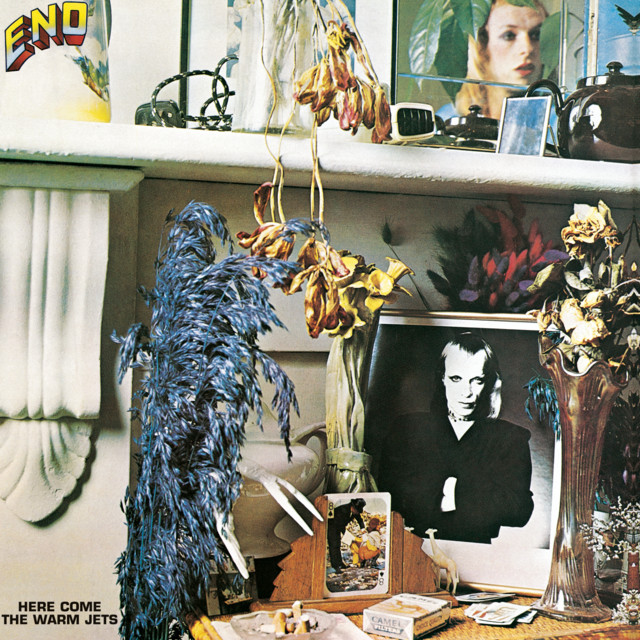
1973
Here Come the Warm Jets
Eno
1997
OK Computer
Radiohead
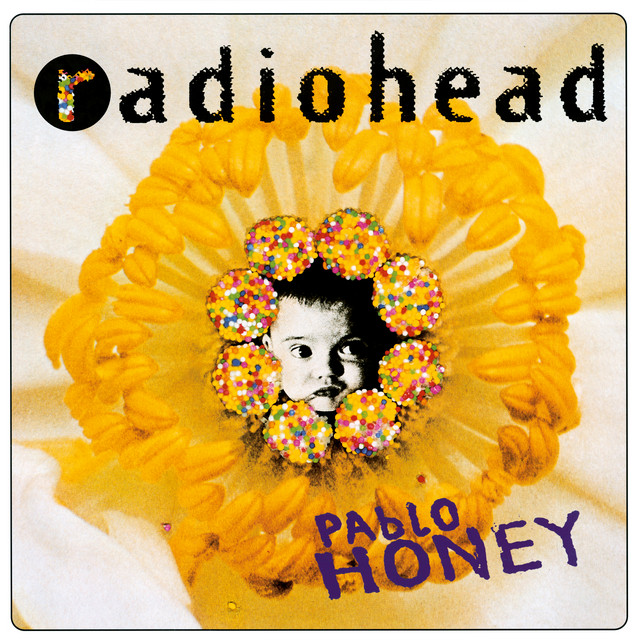
1993
Pablo Honey
Radiohead
2007
In Rainbows
Radiohead
1979
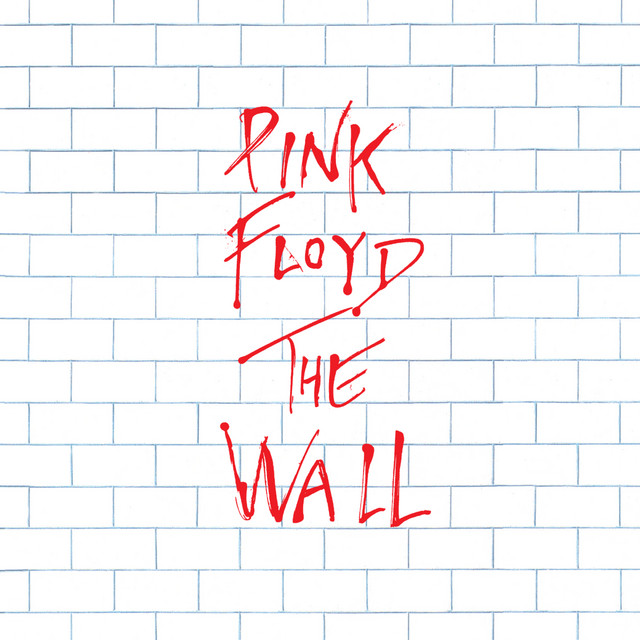
The Wall
Pink Floyd
1973
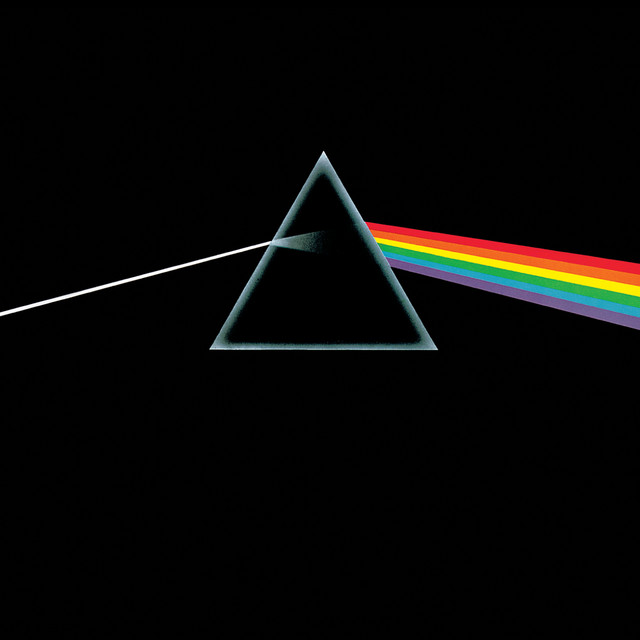
The Dark Side of the Moon
Pink Floyd
1995
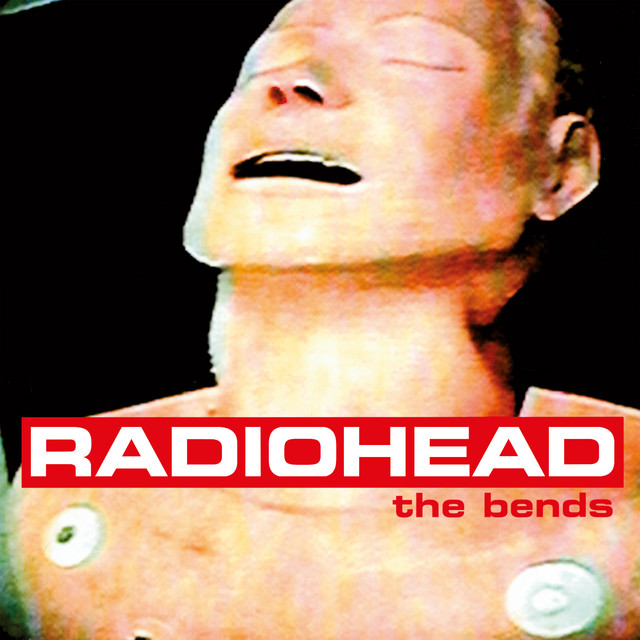
The Bends
Radiohead
1975
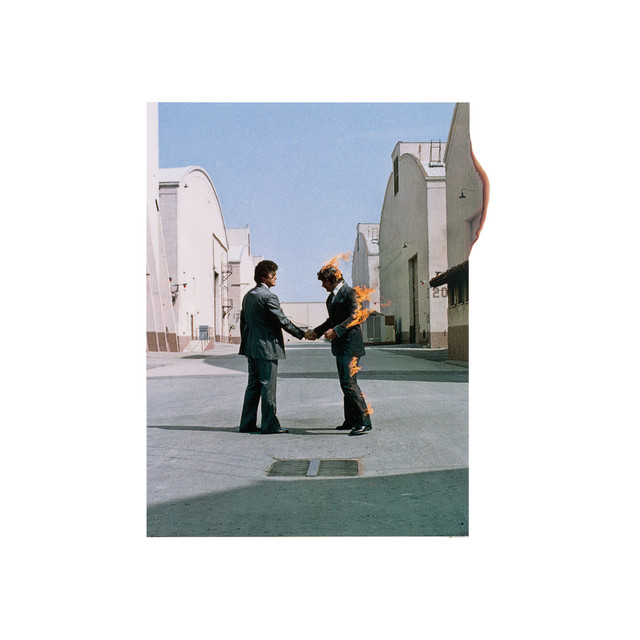
Wish You Were Here
Pink Floyd
Download our mobile app
Get the Melodigging app and start digging for new genres on the go
Download on the App Store
Get it on Google Play
© 2026 Melodigging
Give feedback
Legal
Melodding was created as a tribute to
Every Noise at Once
, which inspired us to help curious minds keep digging into music's ever-evolving genres.