Genres
Make Music
Artists
Albums
Challenges
Sign in
Sign in
Albums
By Heitor Villa-Lobos
Albums
By Heitor Villa-Lobos
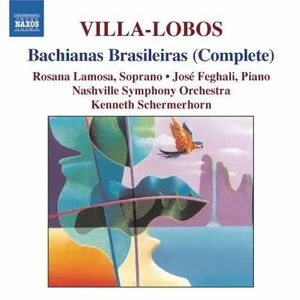
Bachianas brasileiras (Complete)
November 15, 2005
Listen
1
/5
Genres
Neoclassicism
Neoclassicism in music is a 20th‑century movement that revived forms, genres, and aesthetics from the Baroque and Classical eras, but reframed them with modern harmony, rhythm, and orchestration. It emphasizes clarity, balance, objectivity, and contrapuntal craft, often rejecting late‑Romantic excess while retaining a tonal or modal center enriched by dissonance, bitonality, and crisp rhythmic drive. Typical hallmarks include neobaroque dance suites, neoclassical sonatas and concerti, chamber‑oriented scoring, clean textures, and a dry, anti‑rhetorical performance style.
Discover
Listen
Brazilian Classical Music
Brazilian classical music is the national art‑music tradition that fuses European concert music with the rhythms, melodies, and timbres of Brazil. It emerged as composers absorbed the harmonic language and forms of the Classical and Romantic eras and then wove in modinha, lundu, choro, and other popular/folk idioms. Across orchestral, chamber, operatic, and solo repertoire—often with guitar and voice at the center—its hallmarks include lyrical, song‑forward themes, syncopated and dance‑derived rhythms, colorful orchestration, and frequent evocations of regional and Indigenous materials. From the late‑Romantic operas of Carlos Gomes to Villa‑Lobos’s modernist Bachianas and Chôros cycles, the style maps a distinctly Brazilian identity onto classical craft.
Discover
Listen
Classical
Classical music is the notated art-music tradition of Europe and its global descendants, characterized by durable forms, carefully codified harmony and counterpoint, and a literate score-based practice. The term “classical” can refer broadly to the entire Western art-music lineage from the Medieval era to today, not just the Classical period (c. 1750s–1820s). It privileges long-form structures (such as symphonies, sonatas, concertos, masses, and operas), functional or modal harmony, thematic development, and timbral nuance across ensembles ranging from solo instruments to full orchestras and choirs. Across centuries, the style evolved from chant and modal polyphony to tonal harmony, and later to post-tonal idioms, while maintaining a shared emphasis on written notation, performance practice, and craft.
Discover
Listen
Similar albums
1950
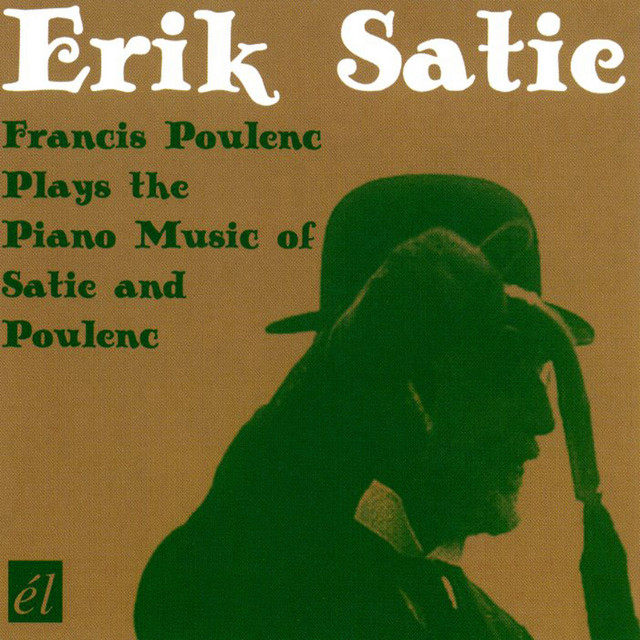
Erik Satie - Francis Poulenc Plays the Piano Music of Satie and Poulenc
Francis Poulenc
2016
In Europe
Moondog
1996
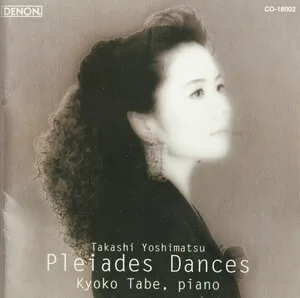
Pleiades Dances
Takashi Yoshimatsu 吉松隆 / Kyoko Tabe 田部京子
1988
Peter and the Wolf / Young Person's Guide to the Orchestra
Sergei Prokofiev Сергей Прокофьев / Benjamin Britten
1988
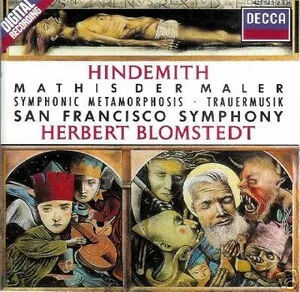
Mathis der Maler; Symphonic Metamorphosis; Trauermusik
Paul Hindemith / San Francisco Symphony / Herbert Blomstedt
1987
Bachianas brasileiras Nos. 2, 5, 6, & 9
Heitor Villa-Lobos
2005
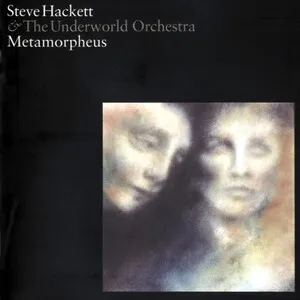
Metamorpheus
Steve Hackett
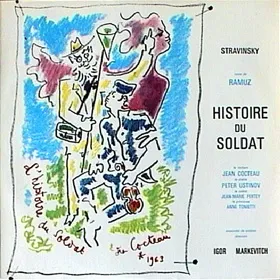
1963
Histoire du soldat
Igor Stravinsky
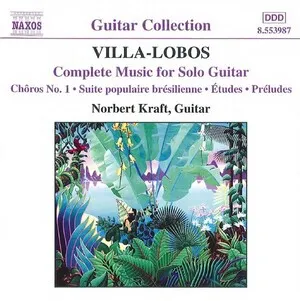
2000
Complete Music for Solo Guitar
Heitor Villa-Lobos / Norbert Kraft
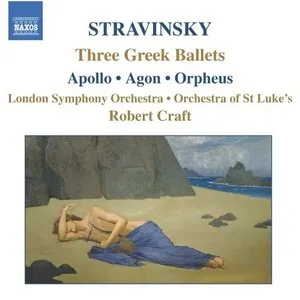
2005
Three Greek Ballets
Igor Stravinsky
Download our mobile app
Get the Melodigging app and start digging for new genres on the go
Download on the App Store
Get it on Google Play
© 2026 Melodigging
Give feedback
Legal
Melodding was created as a tribute to
Every Noise at Once
, which inspired us to help curious minds keep digging into music's ever-evolving genres.