Genres
Make Music
Artists
Albums
Challenges
Sign in
Sign in
Albums
By Steve Hackett
Albums
By Steve Hackett
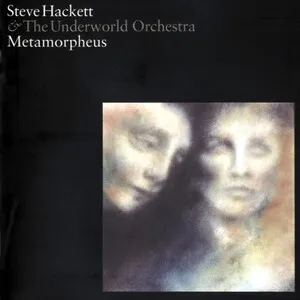
Metamorpheus
March 28, 2005
Listen
1
/5
Genres
Rock
Rock is a broad family of popular music centered on amplified instruments, a strong backbeat, and song forms that foreground riffs, choruses, and anthemic hooks. Emerging from mid‑20th‑century American styles like rhythm & blues, country, and gospel-inflected rock and roll, rock quickly expanded in scope—absorbing folk, blues, and psychedelic ideas—while shaping global youth culture. Core sonic markers include electric guitar (often overdriven), electric bass, drum kit emphasizing beats 2 and 4, and emotive lead vocals. Rock songs commonly use verse–chorus structures, blues-derived harmony, and memorable melodic motifs, ranging from intimate ballads to high‑energy, stadium‑sized performances.
Discover
Listen
Neoclassicism
Neoclassicism in music is a 20th‑century movement that revived forms, genres, and aesthetics from the Baroque and Classical eras, but reframed them with modern harmony, rhythm, and orchestration. It emphasizes clarity, balance, objectivity, and contrapuntal craft, often rejecting late‑Romantic excess while retaining a tonal or modal center enriched by dissonance, bitonality, and crisp rhythmic drive. Typical hallmarks include neobaroque dance suites, neoclassical sonatas and concerti, chamber‑oriented scoring, clean textures, and a dry, anti‑rhetorical performance style.
Discover
Listen
Classical
Classical music is the notated art-music tradition of Europe and its global descendants, characterized by durable forms, carefully codified harmony and counterpoint, and a literate score-based practice. The term “classical” can refer broadly to the entire Western art-music lineage from the Medieval era to today, not just the Classical period (c. 1750s–1820s). It privileges long-form structures (such as symphonies, sonatas, concertos, masses, and operas), functional or modal harmony, thematic development, and timbral nuance across ensembles ranging from solo instruments to full orchestras and choirs. Across centuries, the style evolved from chant and modal polyphony to tonal harmony, and later to post-tonal idioms, while maintaining a shared emphasis on written notation, performance practice, and craft.
Discover
Listen
Similar albums
2002
Treasure Planet
John Rzeznik
1968
Volume 3
Fabrizio De André
2013
In2ition
2CELLOS
2021
Deadwood
Really Slow Motion
1998
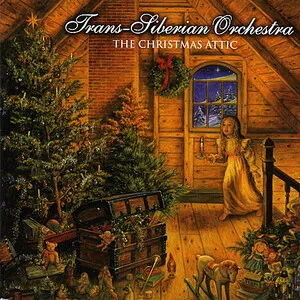
The Christmas Attic
Trans-Siberian Orchestra
1993
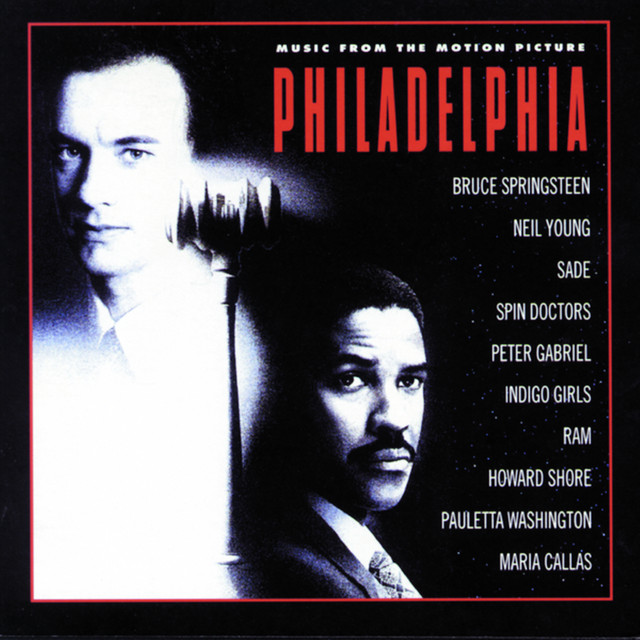
PHILADELPHIA - Music From The Motion Picture
Bruce Springsteen
2013
Oblivion Hymns
Hammock
2018
░ ▒ ▓ █
Keygen Church
1996
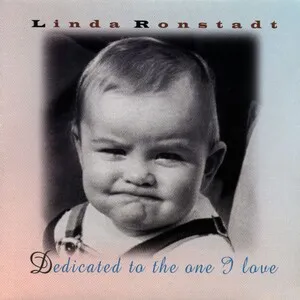
Dedicated to the One I Love
Linda Ronstadt
1975
Discreet Music
Brian Eno
Download our mobile app
Get the Melodigging app and start digging for new genres on the go
Download on the App Store
Get it on Google Play
© 2026 Melodigging
Give feedback
Legal
Melodding was created as a tribute to
Every Noise at Once
, which inspired us to help curious minds keep digging into music's ever-evolving genres.