Genres
Make Music
Artists
Albums
Challenges
Sign in
Sign in
Albums
By The Number Twelve Looks Like You
Albums
By The Number Twelve Looks Like You
An Inch of Gold for an Inch of Time (Alternate Version)
January 25, 2005
Listen
1
/5
Genres
Sasscore
Sasscore is a flamboyant, high-strung strain of early-to-mid 2000s post-hardcore that fuses mathy, dissonant riffing and screamo vocal intensity with the hip-shaking momentum of dance-punk. Its calling cards include yelped and shrieked dual vocals, cut-and-thrust start–stop arrangements, spiky clean guitars, jagged syncopation, and a camp, fashion-forward attitude—hence the “sass.” Lyrics often mix bite and satire, tackling sex, power, and social theater with sneering wit and theatrical swagger. On stage and on record, sasscore prizes sharp contrasts: razor-treble guitar stabs against booming, club-ready drums; sudden tempo lurches beside hooky gang shouts; and a queered, transgressive performance energy that made it as much a scene and attitude as a sound.
Discover
Listen
Emo
Emo is a rock subgenre that emerged from the mid-1980s Washington, D.C. hardcore punk scene as “emotional hardcore” (often shortened to emocore). It retains punk’s urgency but foregrounds confessional, vulnerable lyrics and dramatic dynamic shifts. Across its eras, emo has encompassed several distinct sounds: the intense, cathartic D.C. style; the melodic, guitar‑intricate “Midwest emo” of the 1990s; and the 2000s mainstream wave that blended emo’s lyrical candor with pop‑punk hooks (often called “emo pop”). Common musical traits include intertwining clean and overdriven guitars, intricate arpeggios and counter‑melodies, elastic song structures, and vocals that range from intimate murmurs to raw, impassioned shouts.
Discover
Listen
Math Rock
Math rock is a subgenre of indie and experimental rock defined by complex, irregular rhythms, sudden dynamic shifts, and angular, interlocking guitar lines. It frequently employs odd and mixed meters (such as 5/4, 7/8, 11/8), polyrhythms, start–stop figures, and intricate syncopation. Guitars often favor clean or lightly overdriven tones, tapping, and harmonically adventurous voicings over traditional power-chord riffing. Vocals, if present, are usually sparse, textural, or rhythmically coordinated with the ensemble rather than the primary focal point. Aesthetically, math rock draws from the precision and structural ambition of progressive rock, the urgency of post-hardcore, and the textural curiosity of indie and noise rock, resulting in music that feels both cerebral and visceral.
Discover
Listen
Rock
Rock is a broad family of popular music centered on amplified instruments, a strong backbeat, and song forms that foreground riffs, choruses, and anthemic hooks. Emerging from mid‑20th‑century American styles like rhythm & blues, country, and gospel-inflected rock and roll, rock quickly expanded in scope—absorbing folk, blues, and psychedelic ideas—while shaping global youth culture. Core sonic markers include electric guitar (often overdriven), electric bass, drum kit emphasizing beats 2 and 4, and emotive lead vocals. Rock songs commonly use verse–chorus structures, blues-derived harmony, and memorable melodic motifs, ranging from intimate ballads to high‑energy, stadium‑sized performances.
Discover
Listen
Similar albums
1999
American Football
American Football
2017
Yeah, No, I Know
Macseal
2007
Inspiration Is Dead
Ling Tosite Sigure 凛として時雨
2004
As the Roots Undo
Circle Takes the Square
2001
Different Damage
Q And Not U
2008
Waited Up 'Til It Was Light
Johnny Foreigner
2006
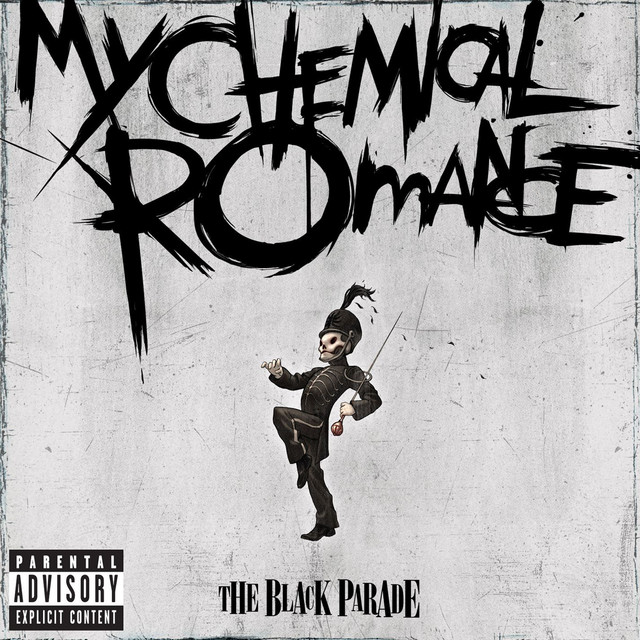
The Black Parade
My Chemical Romance
2012
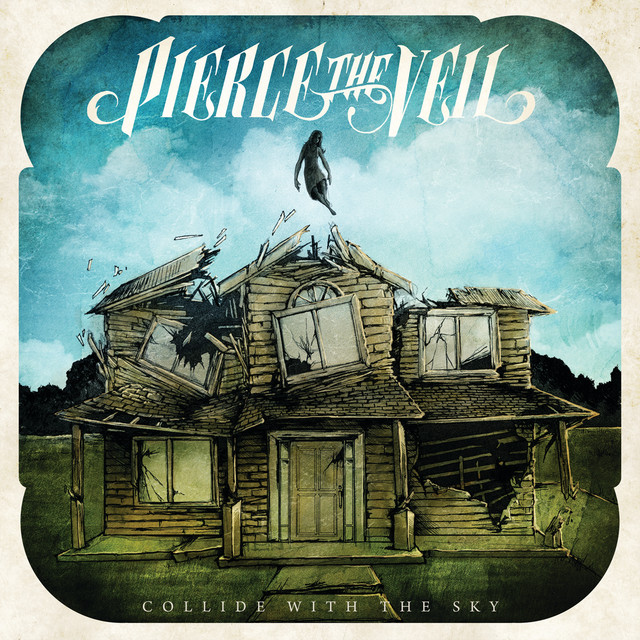
Collide With the Sky
Pierce the Veil
2004
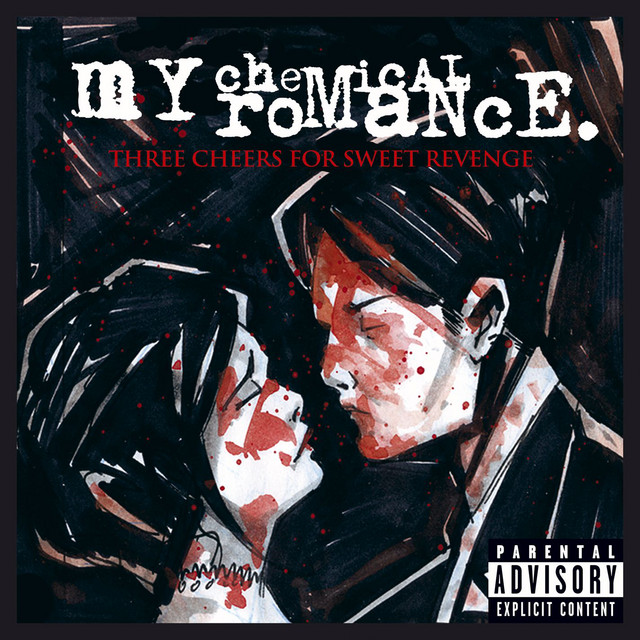
Three Cheers for Sweet Revenge
My Chemical Romance
2005
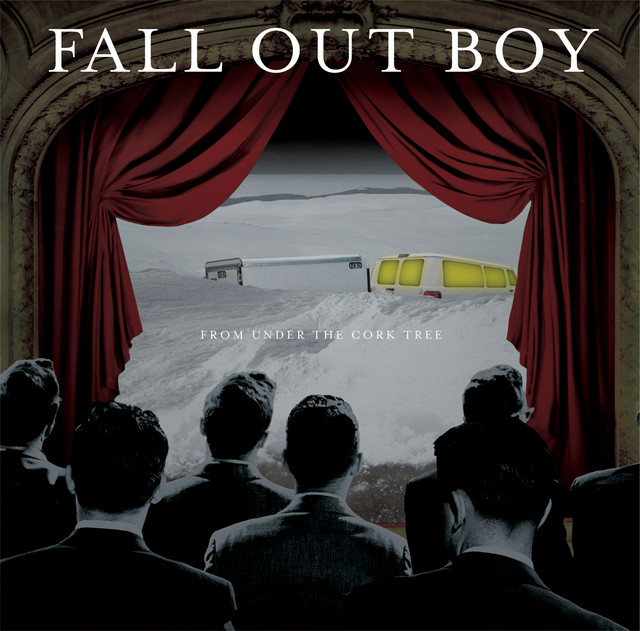
From Under The Cork Tree
Fall Out Boy
Download our mobile app
Get the Melodigging app and start digging for new genres on the go
Download on the App Store
Get it on Google Play
© 2026 Melodigging
Give feedback
Legal
Melodding was created as a tribute to
Every Noise at Once
, which inspired us to help curious minds keep digging into music's ever-evolving genres.