Genres
Make Music
Artists
Albums
Challenges
Sign in
Sign in
Albums
By My Chemical Romance
Albums
By My Chemical Romance
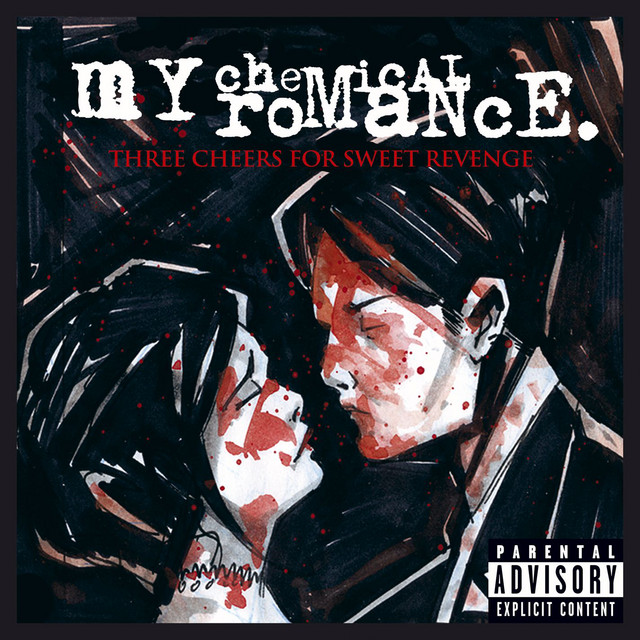
Three Cheers for Sweet Revenge
June 8, 2004
Listen
5
/5
Genres
Emo Pop
Emo pop blends the confessional lyricism and emotional intensity of emo with the bright hooks, concise song forms, and polished production of mainstream pop and pop-punk. The style typically features up-tempo drums, chimey or lightly overdriven guitars, and anthemic choruses built around earworm melodies and glossy vocal harmonies. Lyrical themes revolve around vulnerability, relationships, growing pains, and self-doubt, delivered in an earnest, often dramatic vocal style. Production tends to be clean and radio-ready, with dynamic contrasts between restrained verses and explosive, cathartic choruses.
Discover
Listen
New Brunswick Basement Scene
The New Brunswick basement scene refers to the long-running, DIY network of house shows centered around New Brunswick, New Jersey (especially near Rutgers University), where bands perform in residential basements rather than formal venues. Rooted in punk, hardcore, pop punk, emo, and indie rock, the scene prioritizes community, accessibility, and self-sufficiency: all-ages shows, low cover charges, hand-made flyers, and word-of-mouth addresses. Sonically, it spans fast, cathartic punk and hardcore sets to emotive, hook-forward indie and pop punk, with raw, close-mic’d recordings that reflect small, crowded spaces. Culturally, the scene is as much about ethos as sound—booking each other’s bands, releasing tapes and 7-inches, and sustaining a rotating ecosystem of short-lived houses and collectives that continually renew the local music pipeline.
Discover
Listen
Modern Rock
Modern rock is an umbrella term and radio format used to describe contemporary rock music from the 1990s to the present. It distinguishes itself from classic rock (typically 1960s–1980s repertoire) by focusing on new and current acts across alternative, indie, post‑grunge, Britpop, garage revival, pop‑rock, and electro‑rock. Sonically, modern rock tends to feature guitar‑centric arrangements augmented by polished production, tight rhythmic backbones, and memorable vocal hooks, while remaining open to synths and electronic textures. Because "modern rock" is a format as much as a style, its palette is eclectic: it spotlights artists that cross over from alternative/indie scenes into broader radio visibility. The result is a radio‑friendly, hook‑forward approach that keeps pace with contemporary trends without abandoning rock’s core drive.
Discover
Listen
Emo
Emo is a rock subgenre that emerged from the mid-1980s Washington, D.C. hardcore punk scene as “emotional hardcore” (often shortened to emocore). It retains punk’s urgency but foregrounds confessional, vulnerable lyrics and dramatic dynamic shifts. Across its eras, emo has encompassed several distinct sounds: the intense, cathartic D.C. style; the melodic, guitar‑intricate “Midwest emo” of the 1990s; and the 2000s mainstream wave that blended emo’s lyrical candor with pop‑punk hooks (often called “emo pop”). Common musical traits include intertwining clean and overdriven guitars, intricate arpeggios and counter‑melodies, elastic song structures, and vocals that range from intimate murmurs to raw, impassioned shouts.
Discover
Listen
Post-Hardcore
Post-hardcore is a branch of hardcore punk that retains the style’s urgency and DIY ethos while expanding its musical vocabulary. Bands push beyond breakneck tempos and simple power-chord progressions into more dynamic song structures, varied rhythms, and a wider emotional range. Guitars often alternate between caustic distortion and clean, chiming textures; vocals can shift from shouted slogans to melodic singing; and arrangements emphasize tension-and-release, odd meters, and dramatic builds. Lyrically, post-hardcore tends to be more introspective and socially conscious than its hardcore roots, touching on personal, political, and philosophical themes.
Discover
Listen
Pop Punk
Pop punk blends the speed and attitude of punk rock with the melody, hooks, and songcraft of pop. It features bright, concise songs driven by crunchy power-chord guitars, punchy drums, and catchy vocal lines that often favor gang shouts and harmonies. Lyrically, pop punk tends to focus on adolescence, relationships, boredom, suburbia, and self-deprecating humor, delivered with a mix of earnestness and wit. Production ranges from raw and DIY to radio-ready polish, but the core is always immediacy: big choruses, tight structures, and energetic performances.
Discover
Listen
Punk Rock
Punk rock is a fast, raw, and stripped‑down form of rock music that foregrounds energy, attitude, and the DIY ethic over technical polish. Songs are short (often 90–180 seconds), in 4/4, and driven by down‑stroked power‑chord guitars, eighth‑note bass, and relentless backbeat drumming. Vocals are shouted or sneered rather than crooned, and lyrics are direct, often political, anti‑establishment, or wryly humorous. Production is intentionally unvarnished, prioritizing immediacy and live feel over studio perfection. Beyond sound, punk rock is a culture and practice: independent labels, fanzines, all‑ages venues, self‑organized tours, and a participatory scene that values inclusivity, affordability, and self‑reliance.
Discover
Listen
Punk
Punk is a fast, abrasive, and minimalist form of rock music built around short songs, stripped-down instrumentation, and confrontational, anti-establishment lyrics. It emphasizes DIY ethics, raw energy, and immediacy over virtuosity, often featuring distorted guitars, shouted or sneered vocals, and simple, catchy melodies. Typical songs run 1–3 minutes, sit around 140–200 BPM, use power chords and basic progressions (often I–IV–V), and favor live, unpolished production. Beyond sound, punk is a cultural movement encompassing zines, independent labels, political activism, and a fashion vocabulary of ripped clothes, leather, and safety pins.
Discover
Listen
Rock
Rock is a broad family of popular music centered on amplified instruments, a strong backbeat, and song forms that foreground riffs, choruses, and anthemic hooks. Emerging from mid‑20th‑century American styles like rhythm & blues, country, and gospel-inflected rock and roll, rock quickly expanded in scope—absorbing folk, blues, and psychedelic ideas—while shaping global youth culture. Core sonic markers include electric guitar (often overdriven), electric bass, drum kit emphasizing beats 2 and 4, and emotive lead vocals. Rock songs commonly use verse–chorus structures, blues-derived harmony, and memorable melodic motifs, ranging from intimate ballads to high‑energy, stadium‑sized performances.
Discover
Listen
Similar albums
2006
The Black Parade
My Chemical Romance
2012
Collide With the Sky
Pierce the Veil
2002
I Brought You My Bullets, You Brought Me Your Love
My Chemical Romance
1999
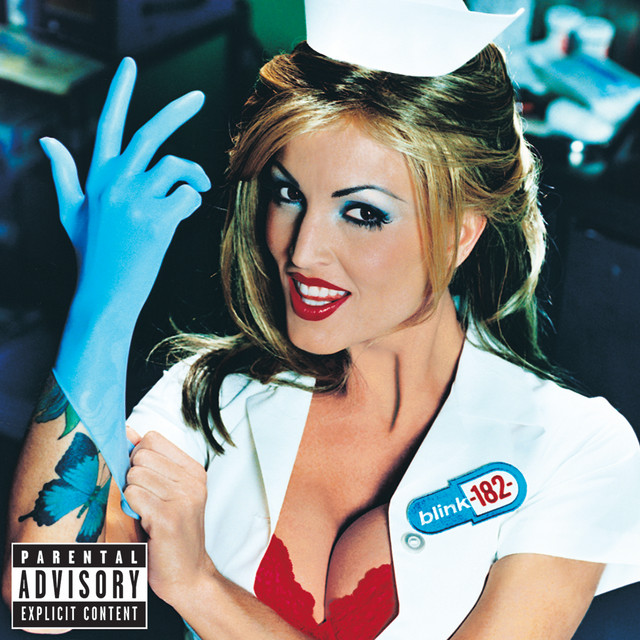
Enema Of The State
blink-182
2016
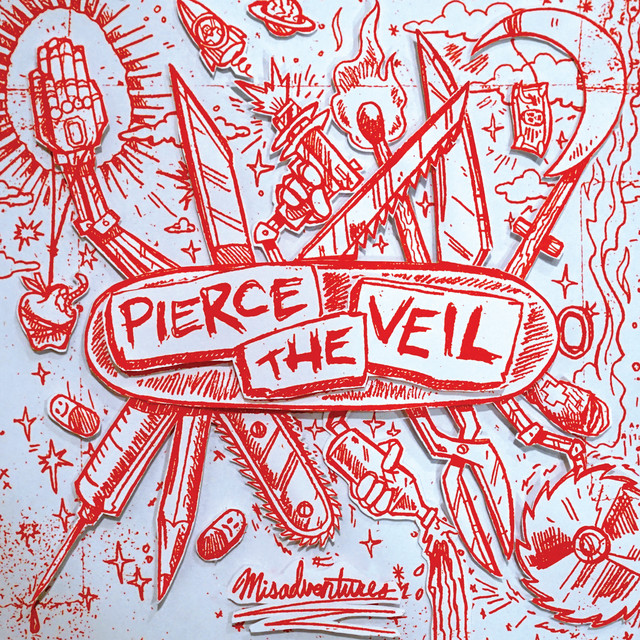
Misadventures
Pierce The Veil
2008
Decode
Paramore
2008
I Caught Myself
Paramore
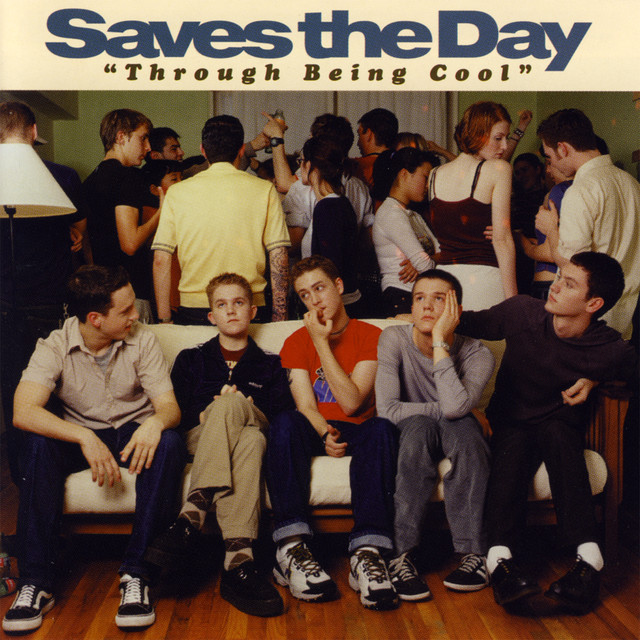
1999
Through Being Cool
Saves the Day
2025
It Feels Like Christmas (Spotify Singles Holiday)
Fall Out Boy
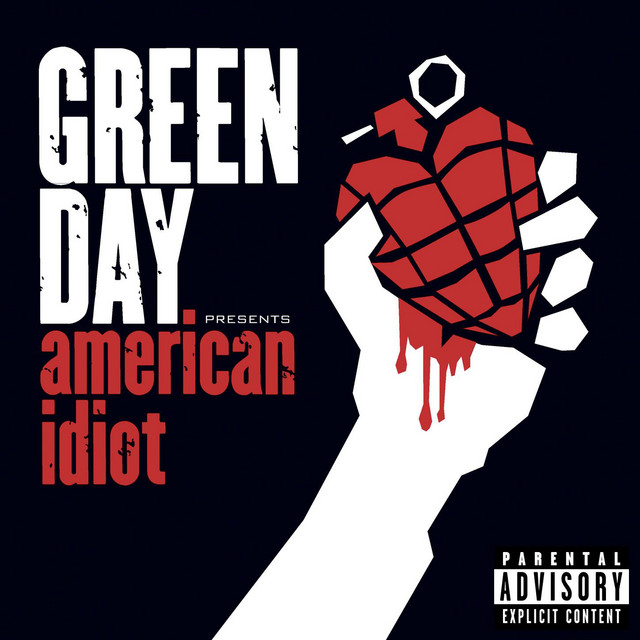
2004
American Idiot
Green Day
Download our mobile app
Get the Melodigging app and start digging for new genres on the go
Download on the App Store
Get it on Google Play
© 2026 Melodigging
Give feedback
Legal
Melodding was created as a tribute to
Every Noise at Once
, which inspired us to help curious minds keep digging into music's ever-evolving genres.