Genres
Make Music
Artists
Albums
Challenges
Sign in
Sign in
Albums
By Dead Can Dance
Albums
By Dead Can Dance
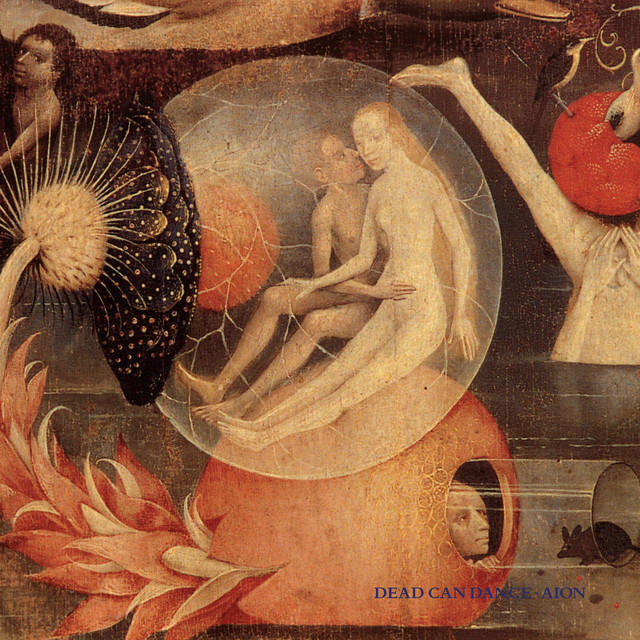
Aion
June 11, 1990
Listen
3
/5
Genres
Neo-Medieval Folk
Neo-medieval folk is a modern revivalist style that reimagines the sounds of medieval and early Renaissance Europe through contemporary folk aesthetics. It favors acoustic, historically inspired instruments (hurdy-gurdy, bagpipes, lute, harp, nyckelharpa, recorders, shawms, frame drums) and modal melodies, often sung in historical or reconstructed languages. While rooted in academic early-music practice, the genre is more atmospheric and narrative-driven than strictly scholarly. Artists blend courtly songs, dance forms (such as estampie and saltarello), drone-based textures, and ballad traditions with modern songwriting and subtle production. Depending on the act, it may lean toward dark wave and gothic timbres or toward pastoral, festival-ready folk.
Discover
Listen
Neoclassical Dark Wave
Neoclassical dark wave is a subgenre of dark wave that fuses the somber atmospheres of gothic-leaning post-punk with orchestral and early-music aesthetics. It favors minor-key harmonies, liturgical or poetic vocals, and dramatic, cinematic arrangements. Typical sound palettes include strings, choirs, piano, organ, and timpani alongside ambient textures and spacious reverbs. Tempos are often slow to moderate, with processional rhythms and modal writing (Aeolian, Dorian, Phrygian) that evoke medieval, Renaissance, or Baroque sensibilities. Vocals often sit in the “heavenly voices” tradition—ethereal sopranos or solemn baritones—singing in English, Latin, or other European languages. The result is music that feels sacred, melancholic, and epic, balancing intimate chamber music colors with vast, cathedral-like ambience.
Discover
Listen
Dark Wave
Dark wave is a moody, melancholic offshoot of post-punk and new wave that emphasizes minor-key harmonies, somber timbres, and introspective or romantic lyrical themes. It blends the icy textures of early synthesizers and drum machines with reverb-laden guitars and melodic, driving basslines. The style typically features baritone or ethereal vocals, atmospheric production with heavy use of chorus, delay, and reverb, and tempos that range from slow and brooding to mid-tempo and danceable. Dark wave spans both guitar-oriented and synth-forward approaches, and often overlaps with related movements such as coldwave, minimal wave, and ethereal wave.
Discover
Listen
Ethereal Wave
Ethereal wave is a branch of post-punk/gothic-adjacent alternative music defined by shimmering, reverb-saturated textures, airborne vocal delivery, and a strong emphasis on atmosphere over aggression. It often features chorus- or delay-drenched guitars that blur into pad-like harmonies, minimal or programmed percussion, and bass lines that drift rather than drive. Vocals—frequently female-led—tend toward breathy, angelic timbres, melismatic phrasing, non-lexical vocalise, and poetic or impressionistic lyrics. Harmonies favor modal or diatonic palettes with suspensions and added tones (sus2, sus4, add9), producing a weightless, bittersweet feel. The overall production aesthetic, popularized by 4AD acts, evokes a dreamlike, otherworldly space that can lean medieval, ambient, or neoclassical depending on the artist.
Discover
Listen
Electronic
Electronic is a broad umbrella genre defined by the primary use of electronically generated or electronically processed sound. It encompasses music made with synthesizers, drum machines, samplers, computers, and studio/tape techniques, as well as electroacoustic manipulation of recorded or synthetic sources. The genre ranges from academic and experimental traditions to popular and dance-oriented forms. While its sonic palette is rooted in electricity and circuitry, its aesthetics span minimal and textural explorations, structured song forms, and beat-driven club permutations. Electronic emphasizes sound design, timbre, and studio-as-instrument practices as much as melody and harmony.
Discover
Listen
Renaissance
Renaissance music (c. 1400–1600) marks the shift from medieval sonorities to a clearer, triad-based polyphony in which multiple independent voices are treated with near-equal importance. It favors modal counterpoint, pervasive imitation, smooth voice-leading, and carefully prepared cadences. Text intelligibility and expressive text-setting become central concerns, especially in sacred motets and masses and in secular forms like the Italian madrigal and the French chanson. While much of the repertory is a cappella, instrumental consorts (viol, recorder, sackbut, cornett, organ) play a growing role. A steady tactus underpins rhythms, and tuning systems such as meantone temperament shape its characteristic color. Music printing (from 1501) accelerates stylistic diffusion across Europe.
Discover
Listen
Medieval
Medieval music refers to the diverse sacred and secular musical practices of Europe between the fall of the Western Roman Empire and the dawn of the Renaissance. It spans more than eight centuries, from early monophonic chant to the first notated polyphony. Core features include the use of church modes rather than major/minor, extensive reliance on vocal music (Latin sacred chant as well as vernacular song), and the progressive development from unmeasured chant to rhythmic modal notation and, later, mensural notation. Texture evolves from monophony (plainchant, troubadour songs) to organum, conductus, and the motet, culminating in complex isorhythmic works by the late 13th–14th centuries. Secular traditions—troubadours and trouvères in France, Minnesänger in German lands, and the Iberian Cantigas—coexisted with and influenced sacred practice. Instruments such as the vielle, harp, psaltery, recorder, shawm, hurdy-gurdy, and portative organ often doubled or accompanied voices, though much music remained purely vocal.
Discover
Listen
Similar albums
1987
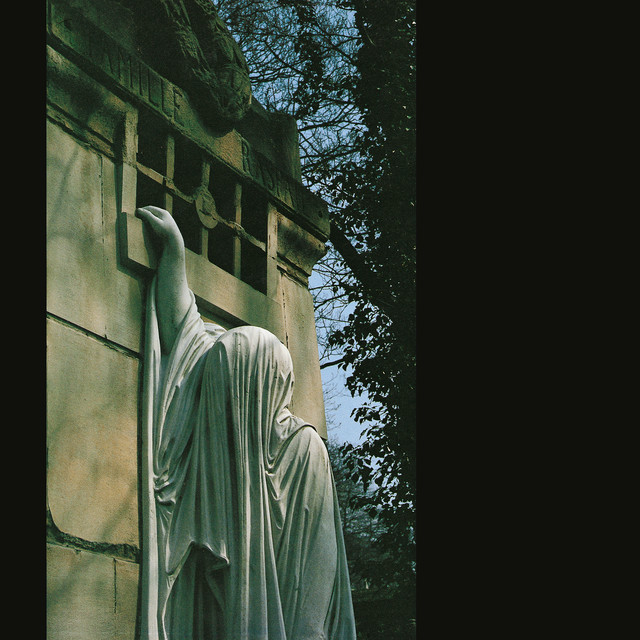
Within the Realm of a Dying Sun
Dead Can Dance
1988
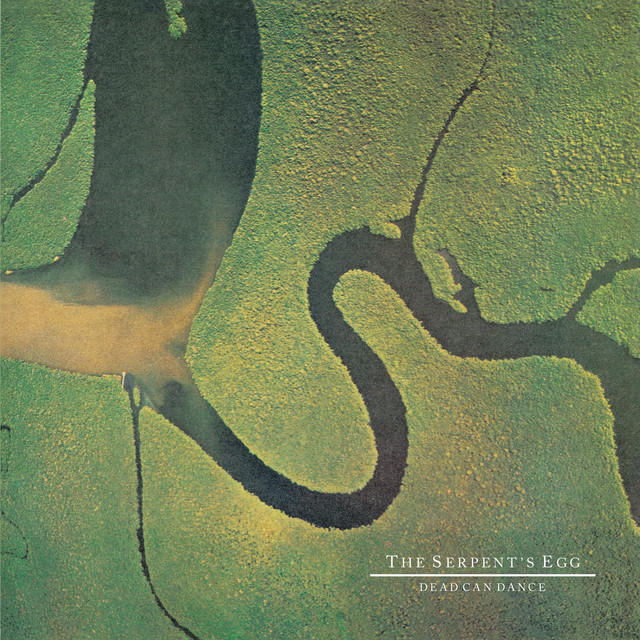
The Serpent's Egg (Remastered)
Dead Can Dance
2012
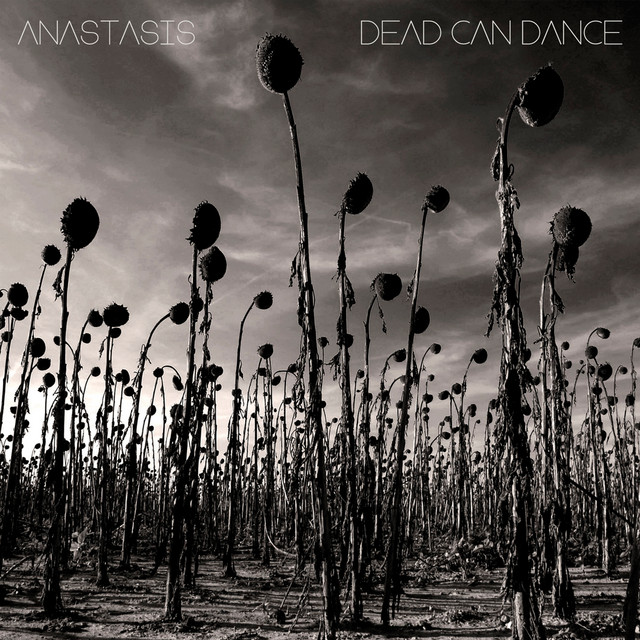
Anastasis
Dead Can Dance
1998
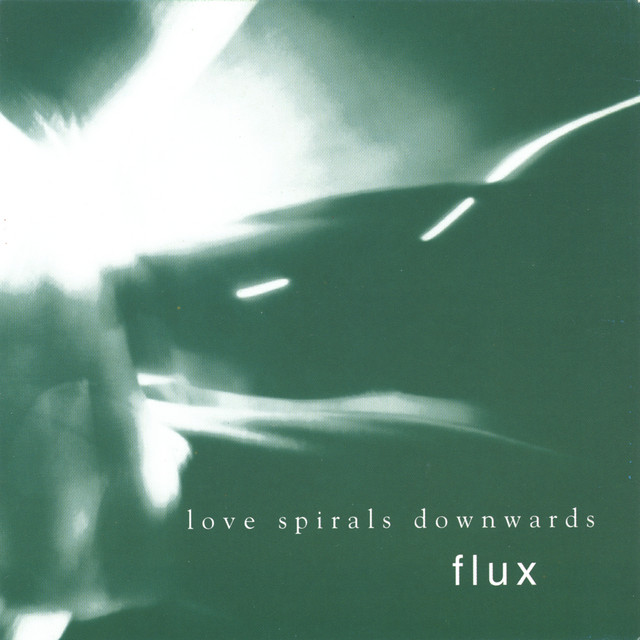
Flux
Love Spirals Downwards
2008
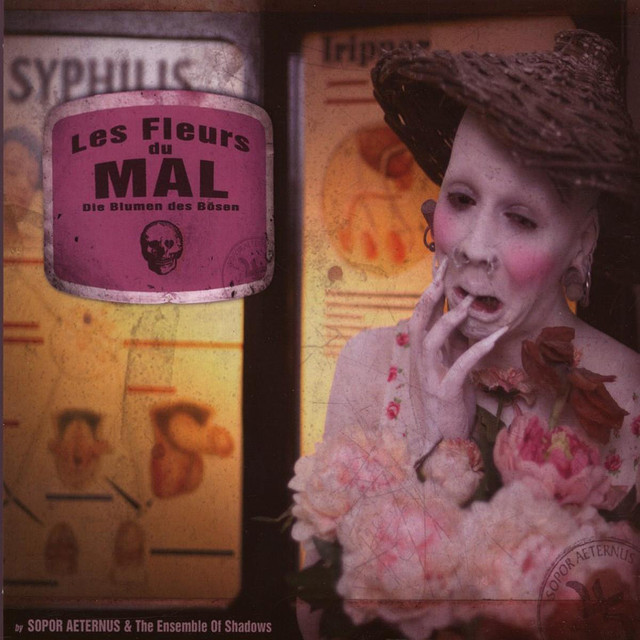
Les fleurs du mal
Sopor Aeternus & The Ensemble of Shadows
1985
Spleen and Ideal
Dead Can Dance
2007
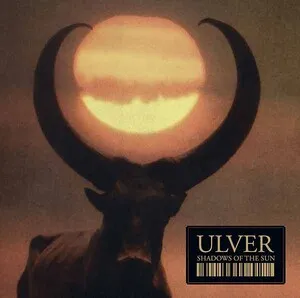
Shadows of the Sun
Ulver
1996
Cold
Lycia
1993
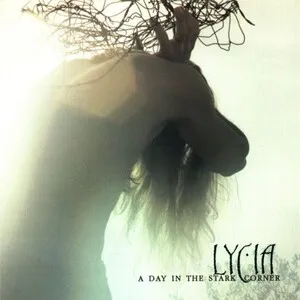
A Day in the Stark Corner
Lycia
1986
Fushigi 不思議
Akina Nakamori 中森明菜
Download our mobile app
Get the Melodigging app and start digging for new genres on the go
Download on the App Store
Get it on Google Play
© 2026 Melodigging
Give feedback
Legal
Melodding was created as a tribute to
Every Noise at Once
, which inspired us to help curious minds keep digging into music's ever-evolving genres.