Genres
Make Music
Artists
Albums
Challenges
Sign in
Sign in
Albums
By Dead Can Dance
Albums
By Dead Can Dance
Spleen and Ideal
November 25, 1985
Listen
2
/5
Genres
Neoclassical Dark Wave
Neoclassical dark wave is a subgenre of dark wave that fuses the somber atmospheres of gothic-leaning post-punk with orchestral and early-music aesthetics. It favors minor-key harmonies, liturgical or poetic vocals, and dramatic, cinematic arrangements. Typical sound palettes include strings, choirs, piano, organ, and timpani alongside ambient textures and spacious reverbs. Tempos are often slow to moderate, with processional rhythms and modal writing (Aeolian, Dorian, Phrygian) that evoke medieval, Renaissance, or Baroque sensibilities. Vocals often sit in the “heavenly voices” tradition—ethereal sopranos or solemn baritones—singing in English, Latin, or other European languages. The result is music that feels sacred, melancholic, and epic, balancing intimate chamber music colors with vast, cathedral-like ambience.
Discover
Listen
Dark Wave
Dark wave is a moody, melancholic offshoot of post-punk and new wave that emphasizes minor-key harmonies, somber timbres, and introspective or romantic lyrical themes. It blends the icy textures of early synthesizers and drum machines with reverb-laden guitars and melodic, driving basslines. The style typically features baritone or ethereal vocals, atmospheric production with heavy use of chorus, delay, and reverb, and tempos that range from slow and brooding to mid-tempo and danceable. Dark wave spans both guitar-oriented and synth-forward approaches, and often overlaps with related movements such as coldwave, minimal wave, and ethereal wave.
Discover
Listen
Rock
Rock is a broad family of popular music centered on amplified instruments, a strong backbeat, and song forms that foreground riffs, choruses, and anthemic hooks. Emerging from mid‑20th‑century American styles like rhythm & blues, country, and gospel-inflected rock and roll, rock quickly expanded in scope—absorbing folk, blues, and psychedelic ideas—while shaping global youth culture. Core sonic markers include electric guitar (often overdriven), electric bass, drum kit emphasizing beats 2 and 4, and emotive lead vocals. Rock songs commonly use verse–chorus structures, blues-derived harmony, and memorable melodic motifs, ranging from intimate ballads to high‑energy, stadium‑sized performances.
Discover
Listen
Electronic
Electronic is a broad umbrella genre defined by the primary use of electronically generated or electronically processed sound. It encompasses music made with synthesizers, drum machines, samplers, computers, and studio/tape techniques, as well as electroacoustic manipulation of recorded or synthetic sources. The genre ranges from academic and experimental traditions to popular and dance-oriented forms. While its sonic palette is rooted in electricity and circuitry, its aesthetics span minimal and textural explorations, structured song forms, and beat-driven club permutations. Electronic emphasizes sound design, timbre, and studio-as-instrument practices as much as melody and harmony.
Discover
Listen
Similar albums
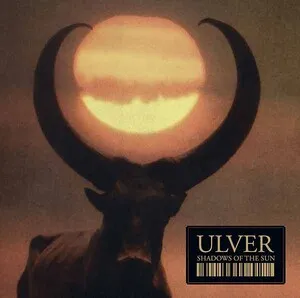
2007
Shadows of the Sun
Ulver
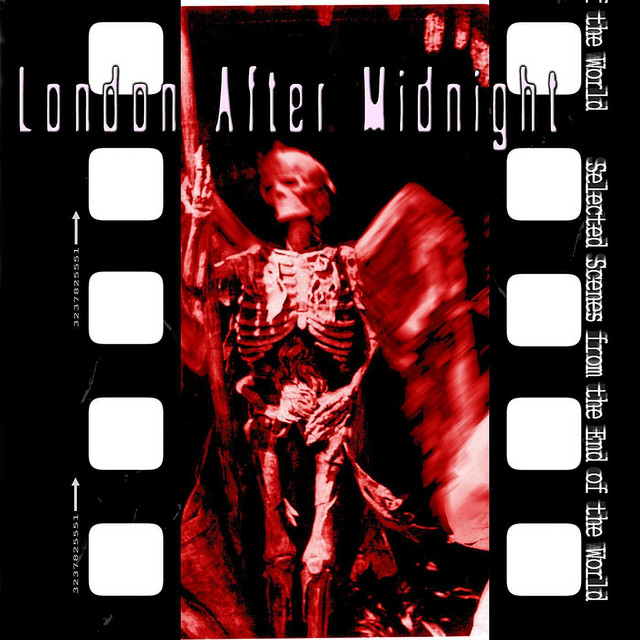
1991
Selected Scenes from the End of the World
London After Midnight
2011
Valleyheart
She Wants Revenge
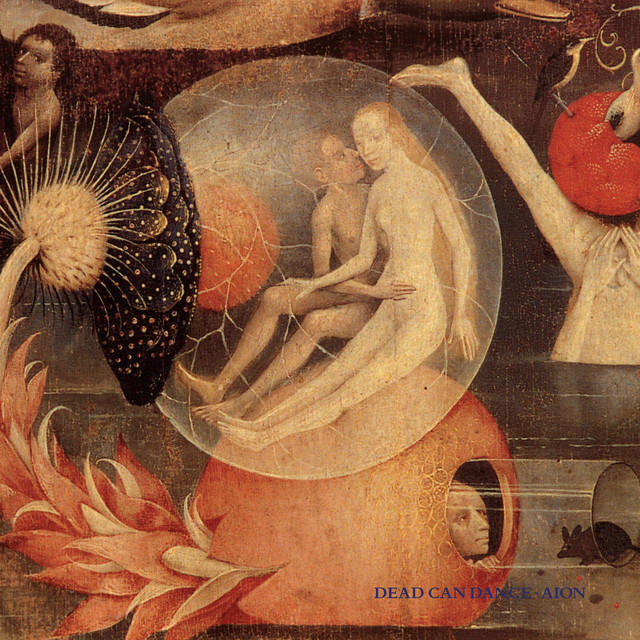
1990
Aion
[anonymous] / Dead Can Dance
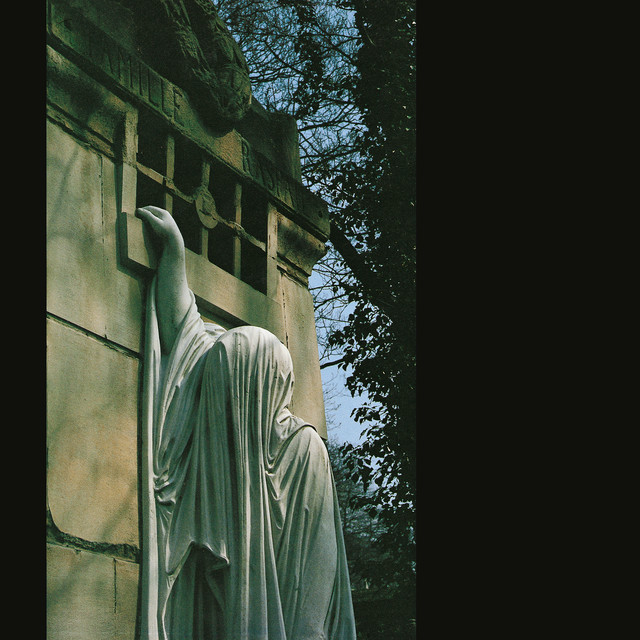
1987
Within the Realm of a Dying Sun
Dead Can Dance
2008
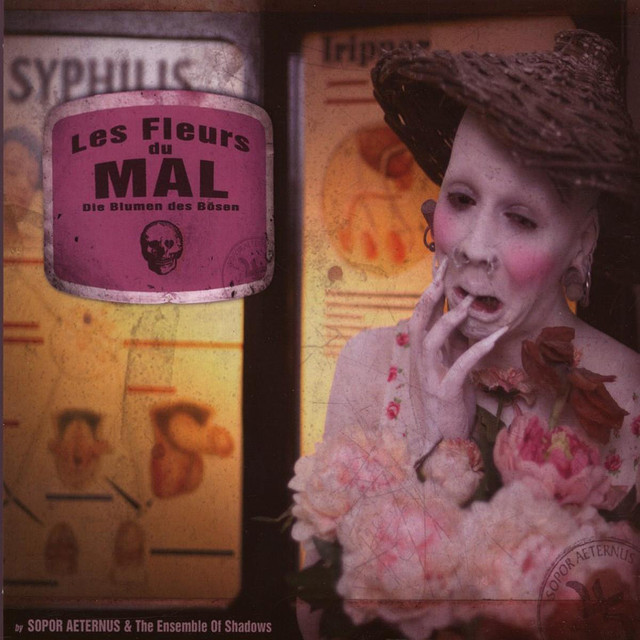
Les fleurs du mal
Sopor Aeternus & The Ensemble of Shadows
1996
Cold
Lycia
1999
Dead Lovers' Sarabande (Face One)
Sopor Aeternus & The Ensemble of Shadows
1993
A Day in the Stark Corner
Lycia
2015
Alchemusic II - Coagula
Meinhard
Download our mobile app
Get the Melodigging app and start digging for new genres on the go
Download on the App Store
Get it on Google Play
© 2026 Melodigging
Give feedback
Legal
Melodding was created as a tribute to
Every Noise at Once
, which inspired us to help curious minds keep digging into music's ever-evolving genres.