Genres
Make Music
Artists
Albums
Challenges
Sign in
Sign in
Albums
By Louis Armstrong
Albums
By Louis Armstrong
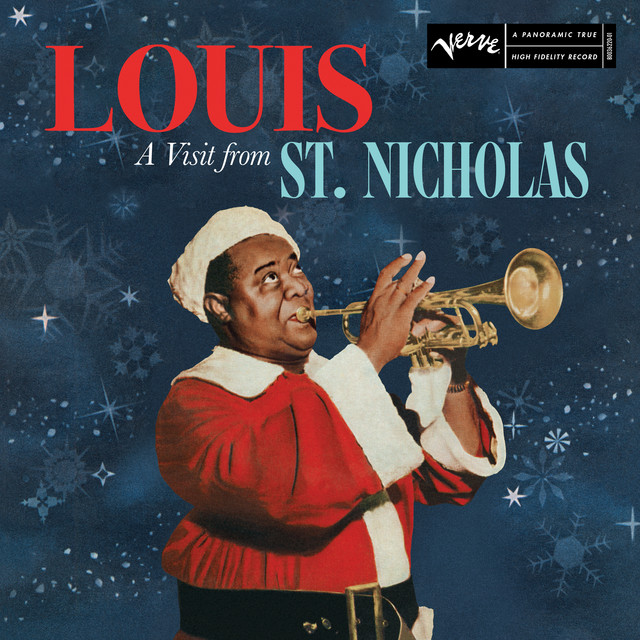
A Visit From St. Nicholas
October 7, 2022
Listen
1
/5
Genres
Swing
Swing is a jazz style centered on a buoyant, danceable groove created by a walking bass, four-to-the-bar rhythm guitar, a backbeat emphasis on 2 and 4, and a lilted “swung” eighth-note feel. Typically performed by big bands (saxes, trumpets, trombones, and a rhythm section) as well as small combos, it balances written arrangements with improvised solos. Hallmarks include call-and-response between horn sections, riff-based melodies, shout choruses that build intensity near the end of an arrangement, and rich sectional voicings grounded in blues language and ii–V–I harmonic motion. Tempos range from medium to brisk, serving social dances like the Lindy Hop and Jitterbug. Swing’s expressive phrasing, dance-floor focus, and sophisticated arranging made it the dominant popular music of the late 1930s and early 1940s.
Discover
Listen
Harlem Renaissance
The Harlem Renaissance, as a musical movement within a broader cultural flowering, crystallized in 1920s Harlem, New York City. It brought together jazz, blues, spirituals, popular song, and theatre music into a vibrant urban sound shaped by Black bandleaders, composers, singers, and pianists. Musically, it fused blues feeling with sophisticated arranging, stride-piano virtuosity, urbane songwriting, and dance-band propulsion. Call-and-response writing, riff-based textures, and blues-inflected melodies met polished Tin Pan Alley craft. The scene thrived in ballrooms and nightclubs like the Cotton Club and the Savoy, on Broadway stages, and at “rent parties,” where stride pianists drove social dancing and innovation. Beyond entertainment, Harlem Renaissance music signaled modern Black identity and artistry, catalyzing the transition from early New Orleans/Dixieland styles to the big-band swing era and laying cultural groundwork that later enabled bebop and modern jazz.
Discover
Listen
Dixieland
Dixieland is one of the earliest forms of jazz, crystallizing in New Orleans in the 1910s and spreading to Chicago and New York in the 1920s. It is characterized by collective improvisation, where the front line—trumpet or cornet carrying the melody, clarinet weaving countermelodies, and trombone providing "tailgate" harmonies and slides—creates a lively polyphonic texture over a buoyant two-beat feel. Its rhythm section often features banjo or piano, tuba or string bass, and drums playing parade-derived press rolls and stop-time figures. Harmonically it draws on functional tonality (I–IV–V with frequent secondary dominants), and structurally it favors 12-bar blues, 16-bar strains from ragtime, and 32-bar AABA song forms. Repertoire includes marches, blues, spirituals, popular songs, and Creole dances, rendered with a brassy, celebratory sound that evokes the New Orleans brass band tradition.
Discover
Listen
Jazz Trumpet
Jazz trumpet is the idiomatic approach to playing the trumpet within jazz, where the instrument often serves as a lead melodic voice and improvisational vehicle. It is defined by expressive tone production, swing phrasing, blues inflection, and a wide palette of articulations and effects such as vibrato, growls, half-valve smears, shakes, fall-offs, and the creative use of mutes (Harmon, plunger, straight, cup, and bucket). Across its history, jazz trumpet has adapted to changing harmonic languages—from early New Orleans polyphony and swing-era melodies to bebop’s chromatic lines, hard bop’s gospel- and blues-rooted intensity, cool and modal lyricism, avant-garde freedom, electric fusion, and contemporary post-bop and crossover forms. The role of the jazz trumpeter spans leading themes (heads), creating spontaneous melodies over standard song forms, shaping ensemble textures, and communicating an individual sound and time feel, whether laid-back, on top of the beat, or deeply behind it.
Discover
Listen
Similar albums
1968
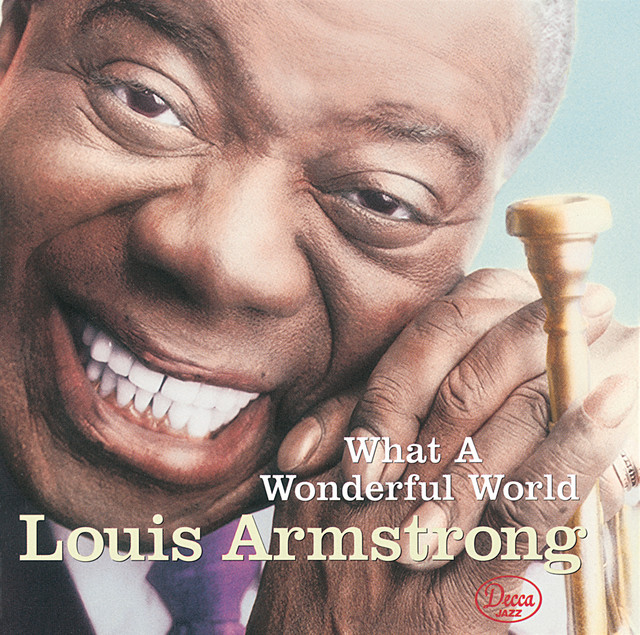
What A Wonderful World
Louis Armstrong
1957
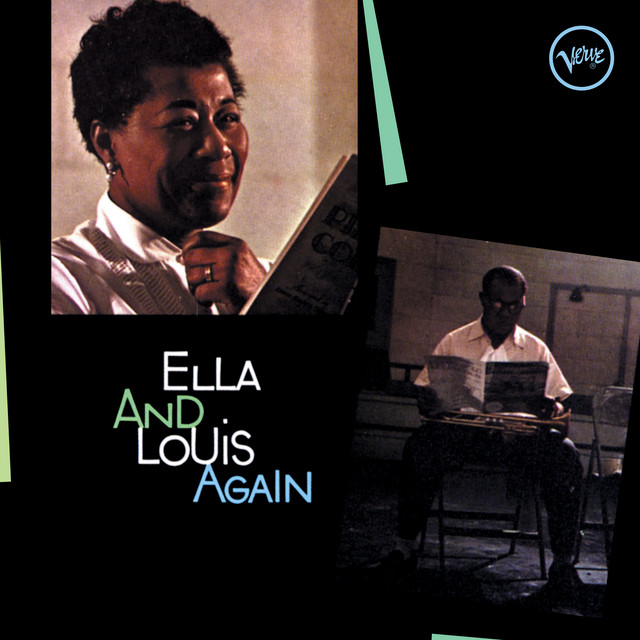
Ella and Louis Again
Ella Fitzgerald & Louis Armstrong
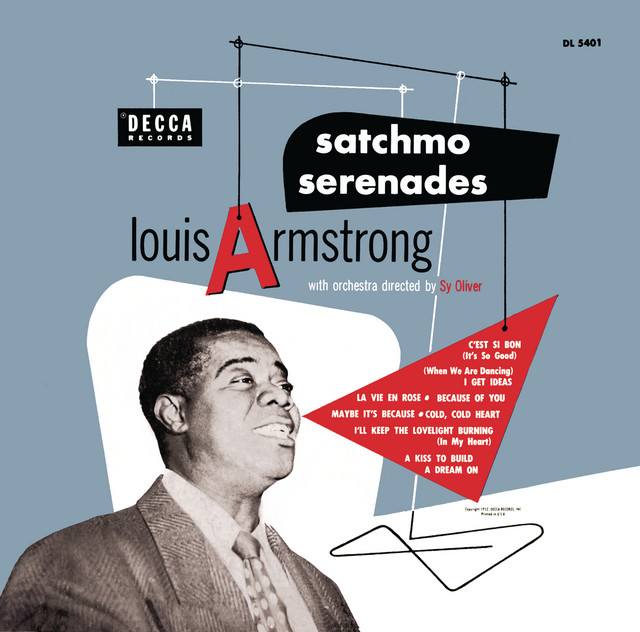
1952
Satchmo Serenades
Louis Armstrong
1964
Hello, Dolly!
Louis Armstrong
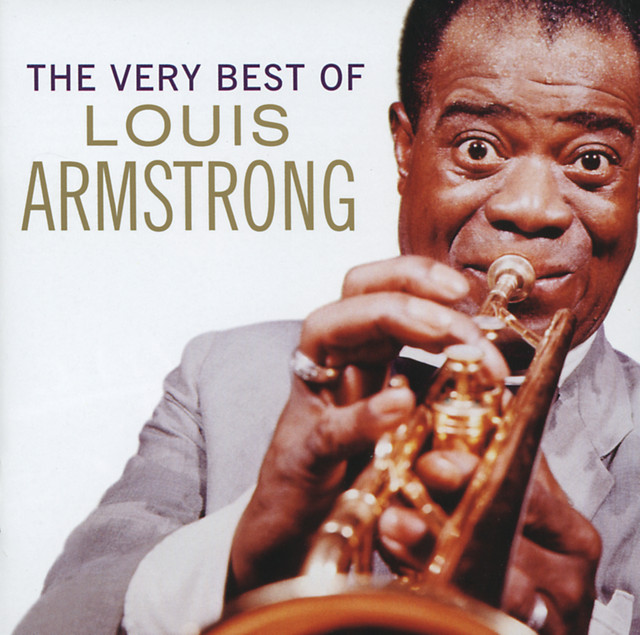
1998
The Very Best Of Louis Armstrong
Louis Armstrong
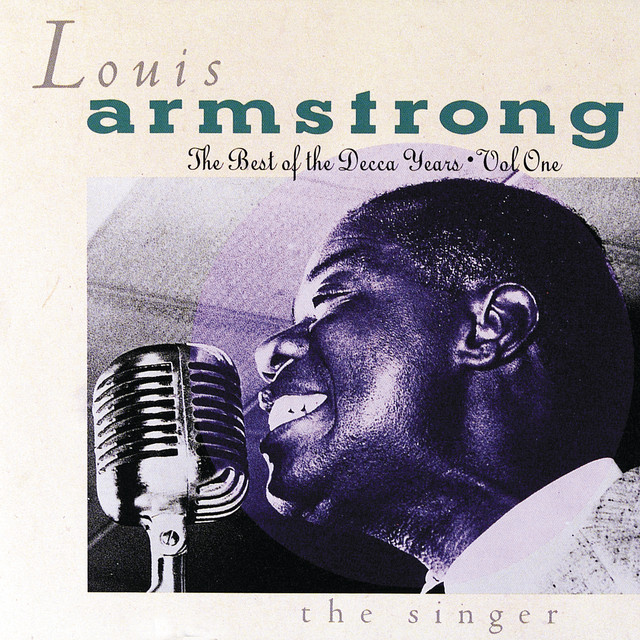
1989
The Best Of The Decca Years Volume One: The Singer
Louis Armstrong
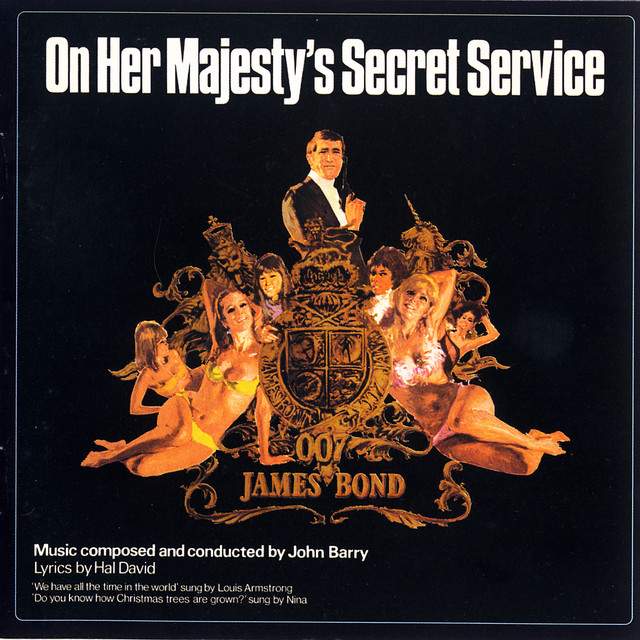
1969
On Her Majesty's Secret Service (Expanded Edition)
Louis Armstrong
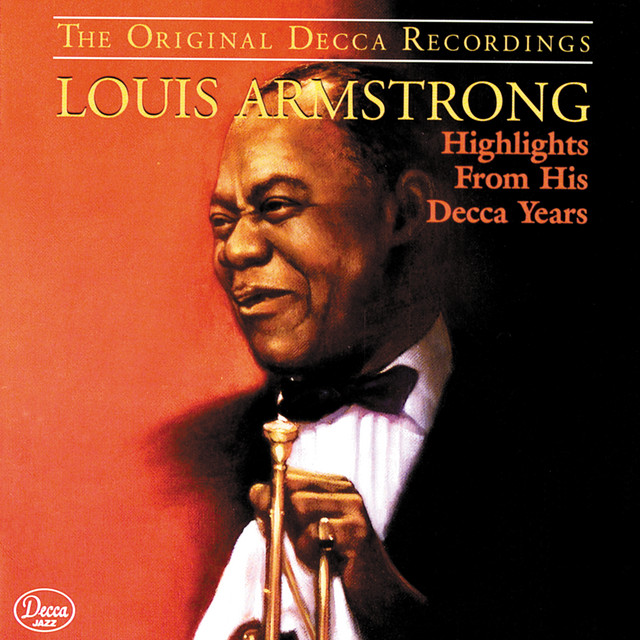
1994
Highlights From His Decca Years
Louis Armstrong
2002
The Best Of Louis Armstrong
Louis Armstrong
2024
Hello, Dolly! (At The BBC)
Louis Armstrong
Download our mobile app
Get the Melodigging app and start digging for new genres on the go
Download on the App Store
Get it on Google Play
© 2026 Melodigging
Give feedback
Legal
Melodding was created as a tribute to
Every Noise at Once
, which inspired us to help curious minds keep digging into music's ever-evolving genres.