Genres
Make Music
Artists
Albums
Challenges
Sign in
Sign in
Albums
By The Waterboys
Albums
By The Waterboys
A Pagan Place
January 1, 1984
Listen
3
/5
Genres
Big Music
Big music is an anthemic strain of 1980s alternative/rock that blends the driving pulse of post‑punk and new wave with widescreen arrangements and spiritual, windswept lyricism. It is characterized by ringing, delay‑drenched guitars, bold, sing‑along choruses, and powerful, gated-reverb drums that aim for stadium scale. Many bands folded Celtic and folk textures—violins, pipes‑like guitar tones, and modal harmonies—into a modern rock framework, creating a sense of grandeur and open skies. The result is music that feels expansive and elevating: emotionally earnest, idealistic, and designed to fill big rooms while retaining the urgency of alternative music.
Discover
Listen
Post-Punk
Post-punk is a broadly experimental strain of rock that emerged in the late 1970s as artists sought to push beyond the speed, simplicity, and orthodoxy of first-wave punk. It typically features angular, bass-forward grooves; jagged or minimal guitar lines; stark, spacious production; and an openness to dub, funk, electronic, and avant-garde ideas. Lyrics often examine alienation, urban decay, politics, and the inner life with artful or abstract delivery. A studio-as-instrument approach, emphasis on rhythm section interplay, and an appetite for non-rock textures (tape effects, drum machines, found sound, synths) distinguish the style. The result can be danceable yet tense, cerebral yet visceral, and emotionally restrained yet intensely expressive.
Discover
Listen
Folk Rock
Folk rock is a fusion genre that blends the narrative lyricism, modal melodies, and acoustic timbres of traditional folk with the backbeat, amplification, and song structures of rock. It typically pairs acoustic or traditional instruments (acoustic guitar, mandolin, fiddle) with a rock rhythm section (electric guitar, bass, drums), often featuring chiming 12‑string guitar textures, close vocal harmonies, and socially conscious or storytelling lyrics. The result ranges from intimate, reflective ballads with a steady backbeat to more anthemic, roots‑driven rock. Emerging in the mid‑1960s through artists such as Bob Dylan and The Byrds, folk rock became a gateway for traditional and roots materials to enter mainstream popular music, and it seeded later movements from country rock and Americana to jangle pop and modern indie folk.
Discover
Listen
Rock
Rock is a broad family of popular music centered on amplified instruments, a strong backbeat, and song forms that foreground riffs, choruses, and anthemic hooks. Emerging from mid‑20th‑century American styles like rhythm & blues, country, and gospel-inflected rock and roll, rock quickly expanded in scope—absorbing folk, blues, and psychedelic ideas—while shaping global youth culture. Core sonic markers include electric guitar (often overdriven), electric bass, drum kit emphasizing beats 2 and 4, and emotive lead vocals. Rock songs commonly use verse–chorus structures, blues-derived harmony, and memorable melodic motifs, ranging from intimate ballads to high‑energy, stadium‑sized performances.
Discover
Listen
Similar albums
1985
This Is the Sea
The Waterboys
1983
The Waterboys
The Waterboys
1988
Tracy Chapman
Tracy Chapman
2024
Romance
Fontaines D.C.
2022
Skinty Fia
Fontaines D.C.
2012
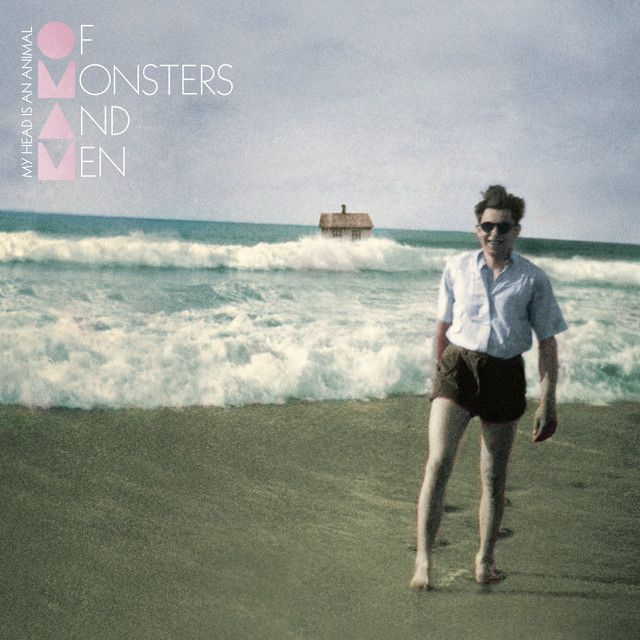
My Head Is An Animal
Of Monsters and Men
2006
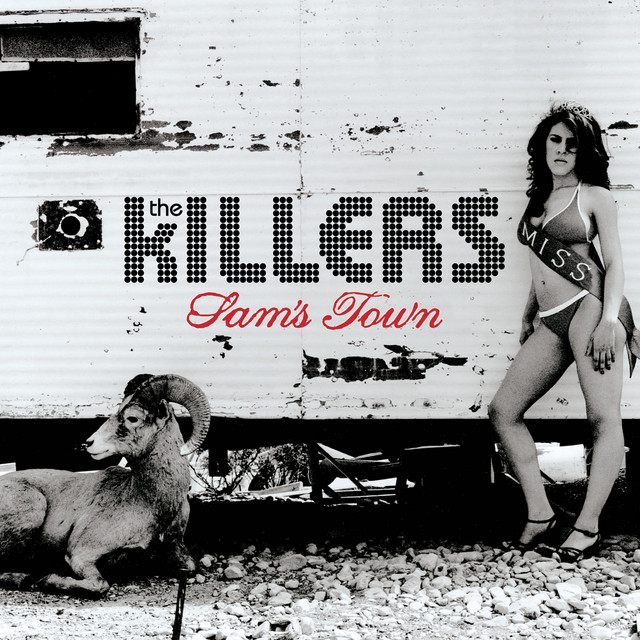
Sam's Town
The Killers
1965
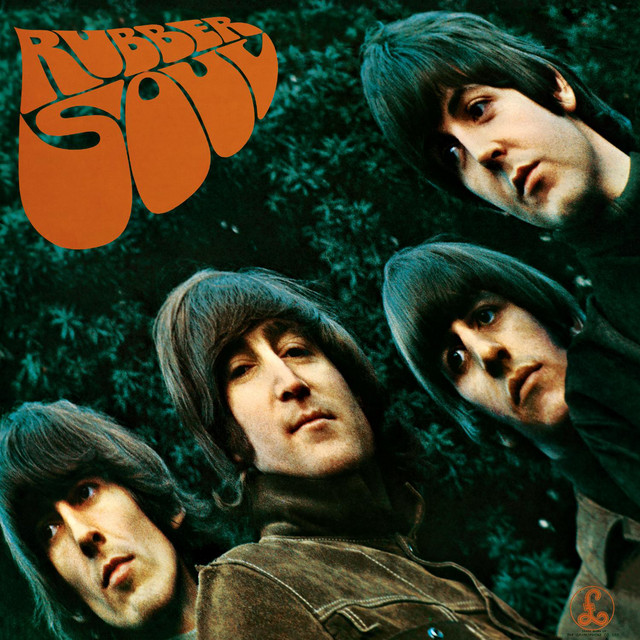
Rubber Soul
The Beatles
1987
The Joshua Tree
U2
2003
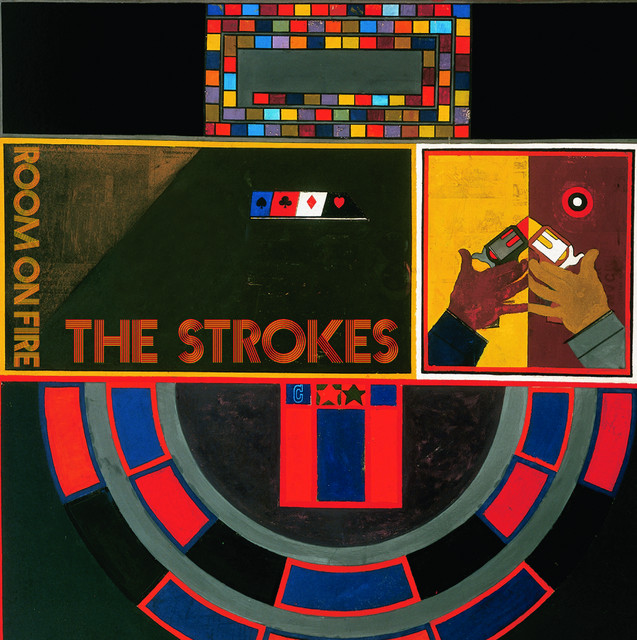
Room on Fire
The Strokes
Download our mobile app
Get the Melodigging app and start digging for new genres on the go
Download on the App Store
Get it on Google Play
© 2026 Melodigging
Give feedback
Legal
Melodding was created as a tribute to
Every Noise at Once
, which inspired us to help curious minds keep digging into music's ever-evolving genres.