Genres
Make Music
Artists
Albums
Challenges
Sign in
Sign in
Albums
By The Goddamn Gallows
Albums
By The Goddamn Gallows
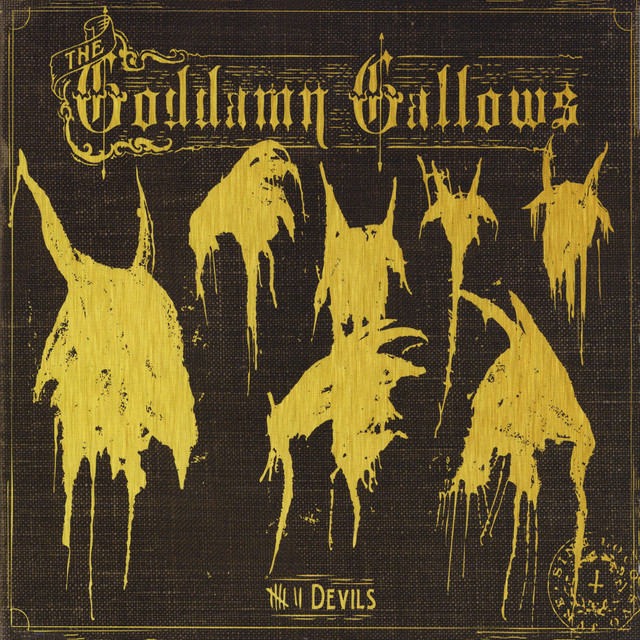
7 Devils
May 31, 2011
Listen
2
/5
Genres
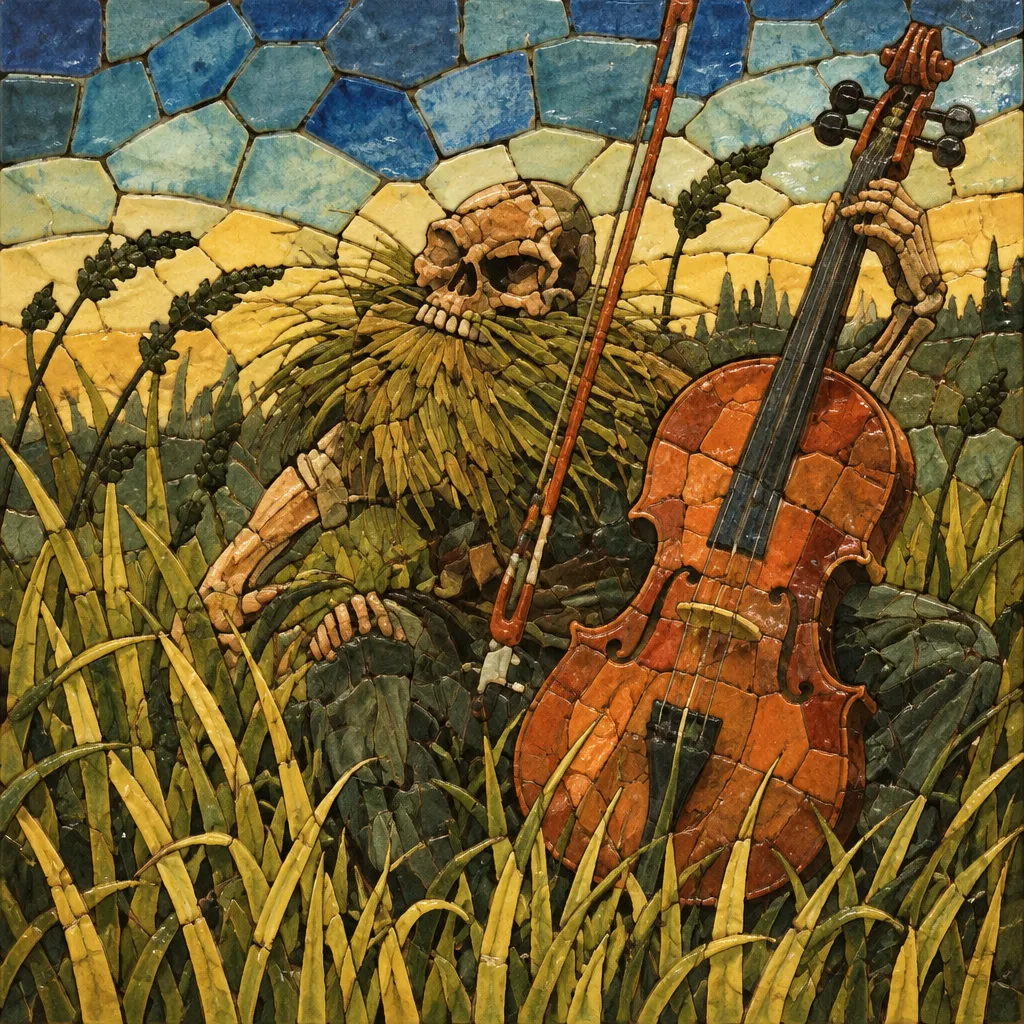
Deathgrass
Deathgrass is a hybrid style that fuses the speed, precision picking, and rustic timbres of bluegrass with the aggression, vocal approach, and riff language of death metal. Instead of high-gain electric guitars, it foregrounds banjo, mandolin, fiddle, acoustic guitar, and upright bass—often reinforced by a drum kit or heavy percussion—while incorporating tremolo-picked lines, chromatic movement, minor-mode harmony, and harsh growled or screamed vocals. Tempos tend to be fast, the playing is virtuosic, and the lyrics lean toward macabre folklore, frontier fatalism, and dark-humored storytelling. The result keeps the propulsive “drive” of bluegrass but channels it into darker, heavier aesthetics, producing a sound that can swing between barn-stomping energy and cinematic, doomy intensity.
Discover
Listen
Folk Rock
Folk rock is a fusion genre that blends the narrative lyricism, modal melodies, and acoustic timbres of traditional folk with the backbeat, amplification, and song structures of rock. It typically pairs acoustic or traditional instruments (acoustic guitar, mandolin, fiddle) with a rock rhythm section (electric guitar, bass, drums), often featuring chiming 12‑string guitar textures, close vocal harmonies, and socially conscious or storytelling lyrics. The result ranges from intimate, reflective ballads with a steady backbeat to more anthemic, roots‑driven rock. Emerging in the mid‑1960s through artists such as Bob Dylan and The Byrds, folk rock became a gateway for traditional and roots materials to enter mainstream popular music, and it seeded later movements from country rock and Americana to jangle pop and modern indie folk.
Discover
Listen
Rock
Rock is a broad family of popular music centered on amplified instruments, a strong backbeat, and song forms that foreground riffs, choruses, and anthemic hooks. Emerging from mid‑20th‑century American styles like rhythm & blues, country, and gospel-inflected rock and roll, rock quickly expanded in scope—absorbing folk, blues, and psychedelic ideas—while shaping global youth culture. Core sonic markers include electric guitar (often overdriven), electric bass, drum kit emphasizing beats 2 and 4, and emotive lead vocals. Rock songs commonly use verse–chorus structures, blues-derived harmony, and memorable melodic motifs, ranging from intimate ballads to high‑energy, stadium‑sized performances.
Discover
Listen
Rockabilly
Rockabilly is one of the earliest styles of rock and roll, fusing the twang and storytelling of Southern country ("hillbilly") with the driving backbeat and boogie of rhythm & blues and jump blues. It is marked by slap‑back echo on vocals and guitar, slapping upright bass, twangy hollow‑body electrics, and energetic, danceable grooves. The classic rockabilly sound emerged from mid‑1950s Memphis studios such as Sun Records, where minimal drum kits (or none at all) mixed with percussive bass and bright, overdriven guitars. Songs are typically short, hooky, and built on 12‑bar blues or simple I–IV–V progressions, with lyrics about love, cars, dancing, and youthful rebellion.
Discover
Listen
Similar albums
2014
The Maker
The Goddamn Gallows
1988
Tracy Chapman
Tracy Chapman
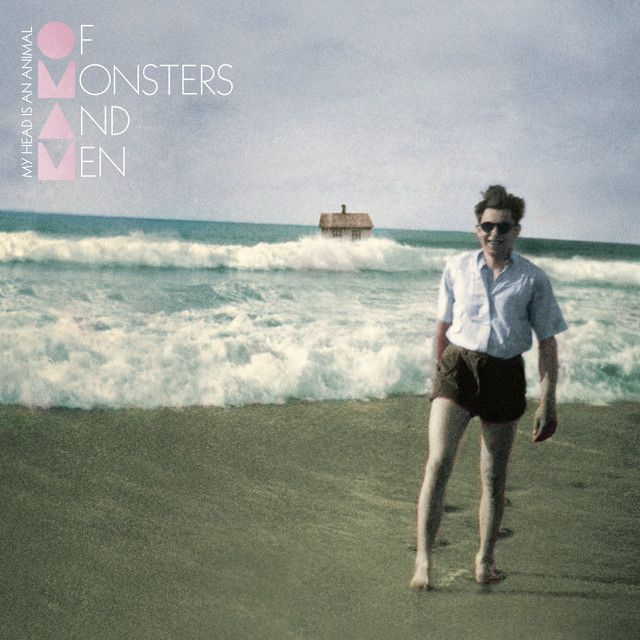
2012
My Head Is An Animal
Of Monsters and Men
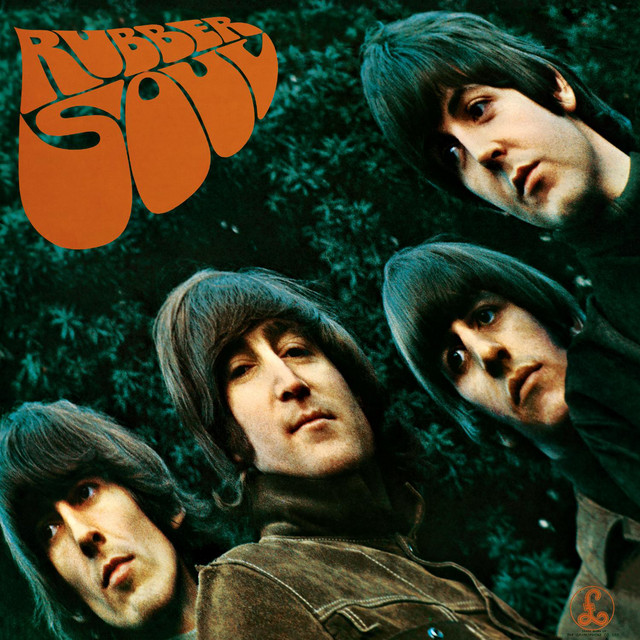
1965
Rubber Soul
The Beatles
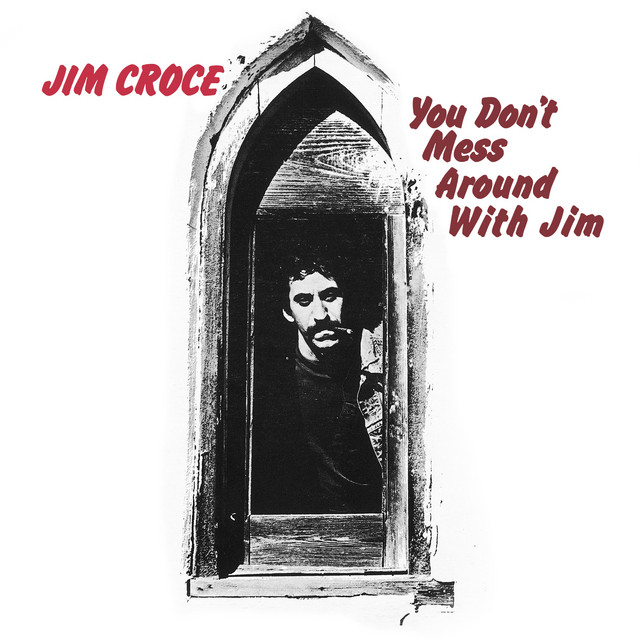
1972
You Don't Mess Around With Jim
Jim Croce
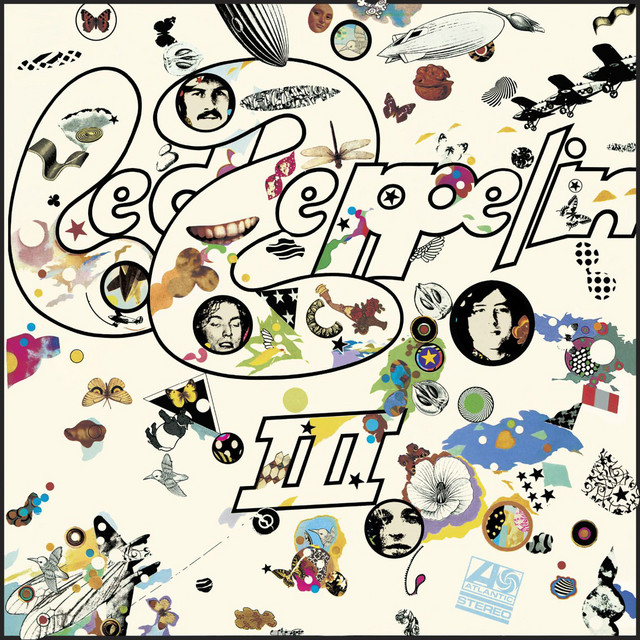
1970
Led Zeppelin III
Led Zeppelin
2006
Cars (Original Motion Picture Soundtrack)
James Taylor
1961
Blue Hawaii
Elvis Presley
1973
Elvis (Fool)
Elvis Presley
1992
Harvest Moon
Neil Young
Download our mobile app
Get the Melodigging app and start digging for new genres on the go
Download on the App Store
Get it on Google Play
© 2026 Melodigging
Give feedback
Legal
Melodding was created as a tribute to
Every Noise at Once
, which inspired us to help curious minds keep digging into music's ever-evolving genres.