Rasin (mizik rasin in Haitian Creole), often called Haitian roots music, fuses traditional Vodou ceremonial and folkloric rhythms with modern popular styles. It places hand drums, vaksin bamboo/metal trumpets, ogan bells, and call‑and‑response Kreyòl vocals at the center, while electric bass, rock guitars, keyboards, and drum set reinforce the groove.
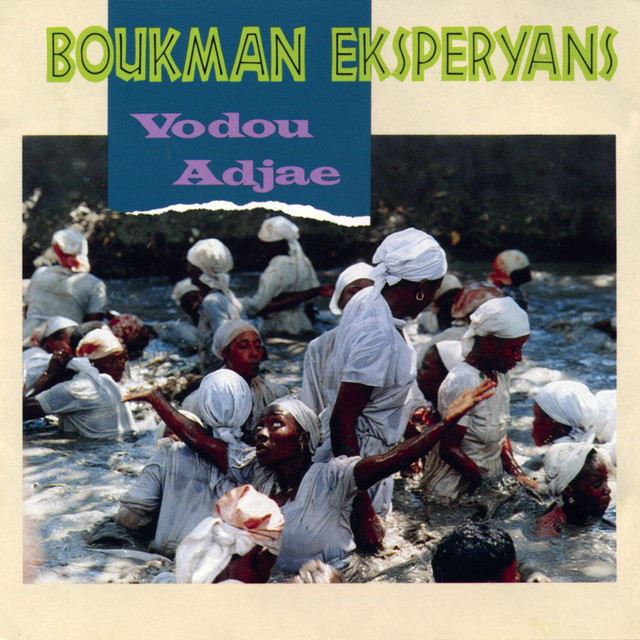
Musically, rasin draws on sacred rhythms (Rada, Petwo, Nago, Kongo, Yanvalou), rara street-procession patterns, and the danceable lilt of compas, then filters them through reggae backbeats, funk syncopation, and rock energy. Lyrically it is grounded in Haitian spirituality, history, and social critique—songs may invoke lwa (spirits) such as Ogou or Ezili, celebrate lakou (community), and address contemporary politics and identity.
The result is a vibrant, percussive, and communal sound that works both as ritual-rooted music and as amplified stage music for carnivals, concerts, and international festivals.