Genres
Make Music
Artists
Albums
Challenges
Sign in
Sign in
Albums
By Robert Cray
Albums
By Robert Cray
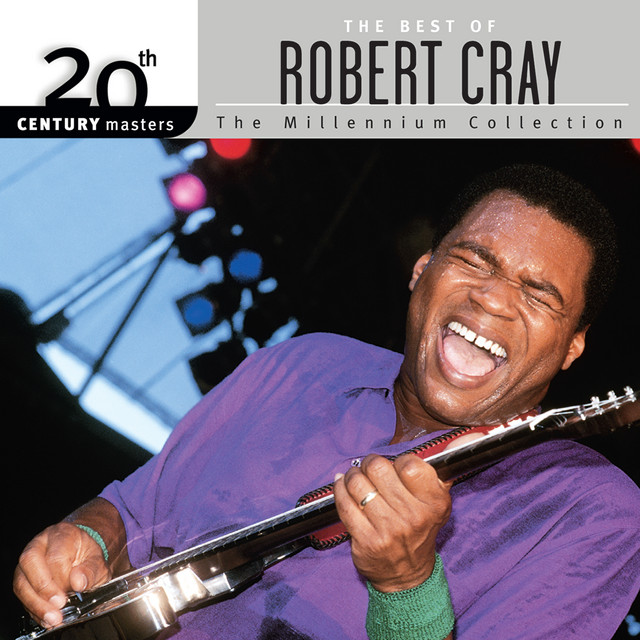
20th Century Masters: The Millennium Collection: Best Of Robert Cray
October 15, 2002
Listen
3
/5
Genres
Electric Blues
Electric blues is a postwar evolution of the blues that centers on amplified instruments and a compact, urban band sound. It emerged when rural blues musicians brought their music to industrial cities and adopted electric guitar, amplified harmonica, bass, drums, and piano to cut through noisy clubs. Musically, electric blues relies on 12‑bar and 8‑bar forms, dominant‑7th harmony, and a swung shuffle or boogie groove. Guitarists use string bends, wide vibrato, double‑stops, turnarounds, and call‑and‑response with vocals and harmonica. Amplified harmonica (often through a bullet mic and small tube amp) acts like a lead horn, trading riffs with the guitar. The sound is thick, gritty, and vocal, with tube‑amp breakup, subtle reverb, and sometimes tremolo. Lyrically, themes cover migration, love and betrayal, work and hardship, and the pulse of city life. Regionally, Chicago became the emblem of the style, but strong variants also blossomed in Memphis, Detroit, and Texas.
Discover
Listen
Classic Blues
Classic blues (often called "classic female blues") is the early, urban, theater-bred form of the blues that flourished primarily in the 1920s. It is characterized by powerful lead vocalists—frequently women—fronting small jazz ensembles or a piano accompanist, with arrangements that translated the blues idiom to vaudeville stages and recording studios. Musically it typically uses the 12‑bar blues form, AAB lyric stanzas, swung or shuffle rhythms in 4/4, and prominent use of blue notes (flattened 3rd, 5th, and 7th). The style sits at the crossroads of Southern blues traditions, ragtime and early jazz, and the songcraft and professionalism of vaudeville and Tin Pan Alley. Classic blues differs from country/delta blues by its more formal arrangements, band instrumentation, and theatrical delivery. It launched the commercial “race records” era with Mamie Smith’s 1920 hit "Crazy Blues," and set the template for later jazz and R&B vocal performance.
Discover
Listen
Similar albums
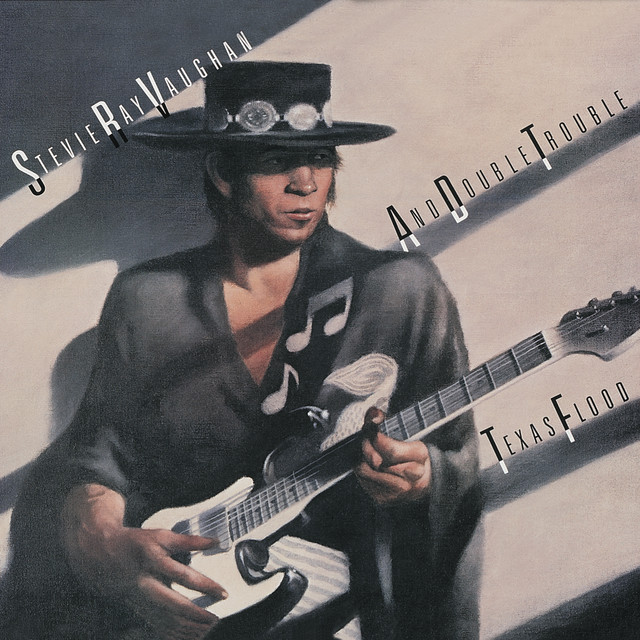
1983
Texas Flood
Stevie Ray Vaughan and Double Trouble
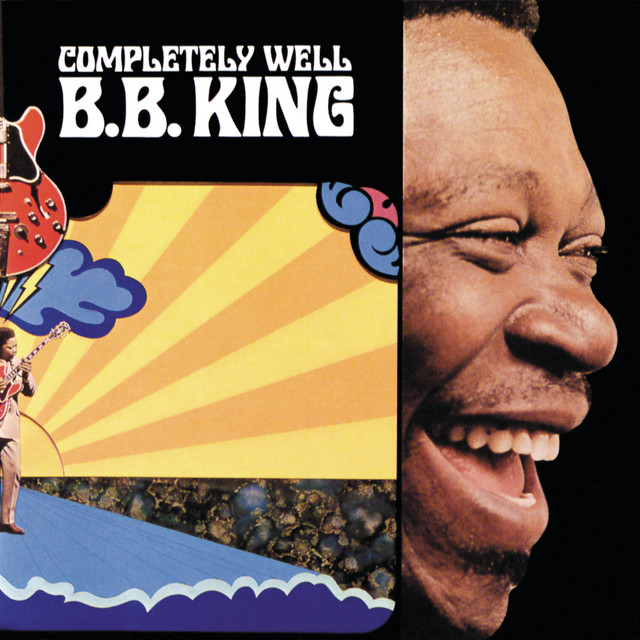
1969
Completely Well
B.B. King
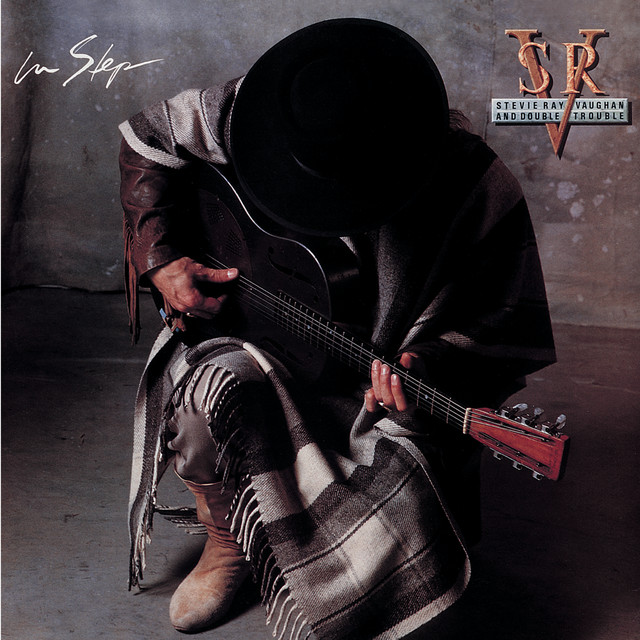
1989
In Step
Stevie Ray Vaughan and Double Trouble
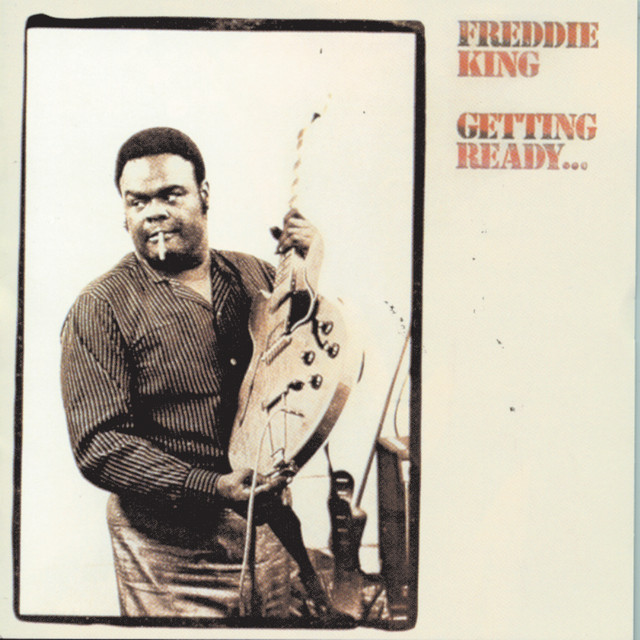
1971
Getting Ready...
Freddie King
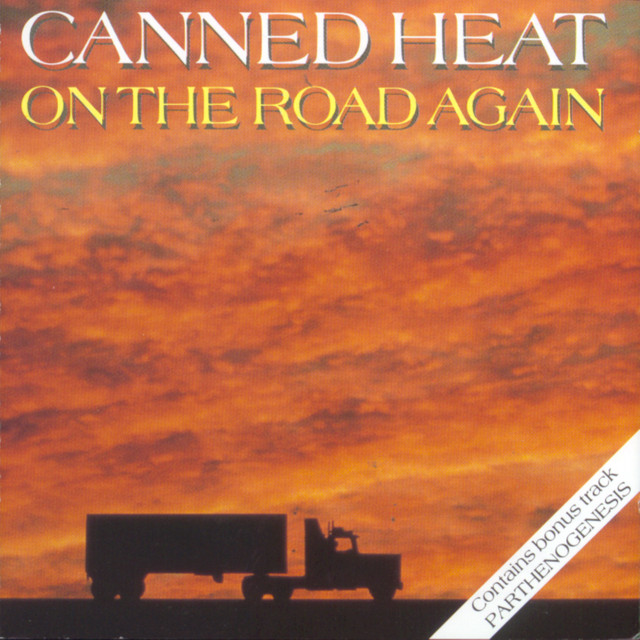
1989
On The Road Again
Canned Heat
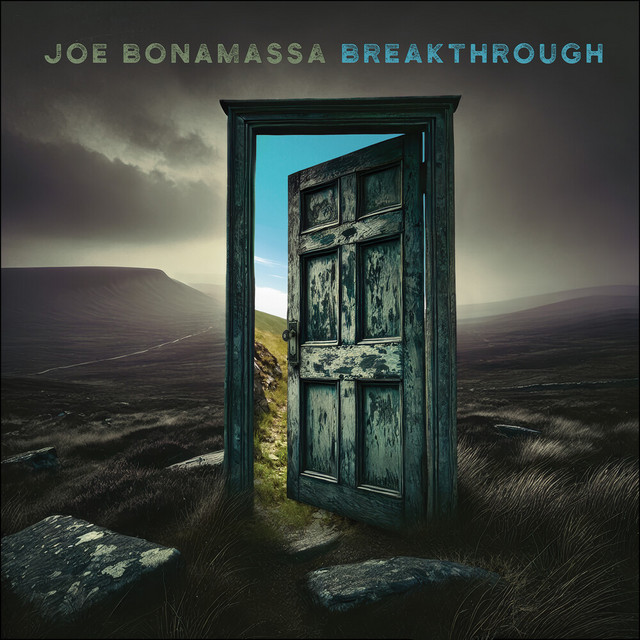
2025
Breakthrough
Black Country Communion, Bonamassa, Joe, Bonamassa, Joe, Bonamassa, Joe, Hart,…
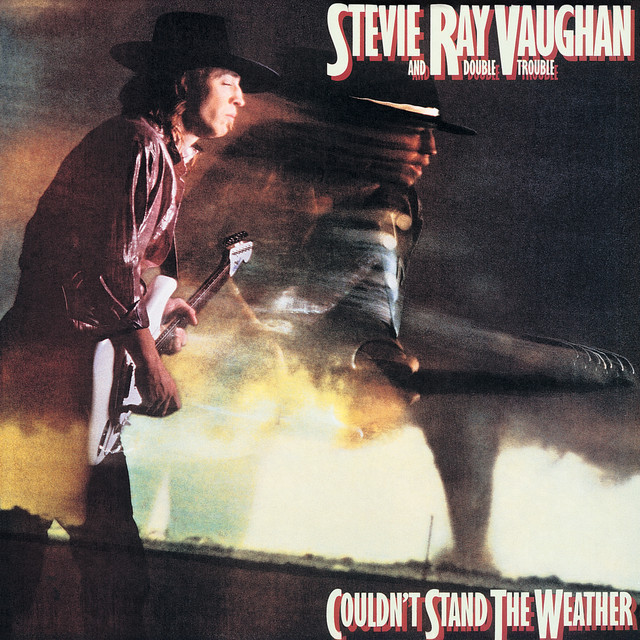
1984
Couldn't Stand the Weather
Stevie Ray Vaughan and Double Trouble
2023
Smoking Gun (Sped Up)
Robert Cray
2020
Four Classic Albums Plus (B.B. King Sings Spirituals / King of the Blues / More B.B. King / Easy Lis
B.B. King
2018
The Ice Queen
Sue Foley
Download our mobile app
Get the Melodigging app and start digging for new genres on the go
Download on the App Store
Get it on Google Play
© 2026 Melodigging
Give feedback
Legal
Melodding was created as a tribute to
Every Noise at Once
, which inspired us to help curious minds keep digging into music's ever-evolving genres.