Genres
Make Music
Artists
Challenges
Sign in
Sign in
Record label
Never Sleep
Berlin
Related genres
Black Metal
Black metal is a form of extreme metal defined by fast tempos, tremolo‑picked guitar lines, blast‑beat drumming, shrieked or rasped vocals, and a deliberately raw, icy production aesthetic. Harmonically, it favors minor and modal collections (especially Aeolian and Phrygian), open-string drones, parallel fifths and fourths, tritones, and sparse or suspended chord voicings over blues-derived harmony. Arrangements often employ layered guitars, long-form song structures, and enveloping reverb to create a bleak, otherworldly atmosphere. The genre’s visual and thematic language is equally distinctive: corpse paint, monochrome artwork, and lyrics exploring anti-dogma, nature, pagan myth, cosmic nihilism, and misanthropy. While some scenes have been associated with controversy and extremism, the musical identity centers on sound, atmosphere, and aesthetics rather than any single ideology.
Discover
Listen
Dance
Dance (as a broad, mainstream club- and radio-oriented style) is pop-leaning music designed primarily for dancing, characterized by steady, driving beats, catchy hooks, and production that translates well to nightclubs and large sound systems. It emerged after disco, blending four-on-the-floor rhythms with electronic instrumentation and pop songwriting, and it continually absorbs elements from house, techno, Hi-NRG, synth-pop, and later EDM. Tempos commonly fall between 110–130 BPM, vocals often emphasize memorable choruses, and arrangements are structured for both club mixing and mass appeal.
Discover
Listen
Edm
EDM (Electronic Dance Music) refers to the mainstream, festival-oriented wave of electronic dance styles that rose to global prominence in the early 2010s. It emphasizes high-energy drops, ear-catching toplines, and crowd-pleasing arrangements designed for large stages and mass audiences. Musically, EDM typically sits around 124–130 BPM with a strong four-on-the-floor kick, wide supersaw leads, bright plucks, and heavily sidechained pads and basses for a pumping feel. Tracks are structured around tension-and-release: intros and builds lead to explosive drops, followed by breakdowns that rebuild energy. Vocals and pop-style songwriting frequently appear, enabling crossover success on radio and streaming platforms.
Discover
Listen
Electronic
Electronic is a broad umbrella genre defined by the primary use of electronically generated or electronically processed sound. It encompasses music made with synthesizers, drum machines, samplers, computers, and studio/tape techniques, as well as electroacoustic manipulation of recorded or synthetic sources. The genre ranges from academic and experimental traditions to popular and dance-oriented forms. While its sonic palette is rooted in electricity and circuitry, its aesthetics span minimal and textural explorations, structured song forms, and beat-driven club permutations. Electronic emphasizes sound design, timbre, and studio-as-instrument practices as much as melody and harmony.
Discover
Listen
Experimental
Experimental music is an umbrella term for practices that prioritize exploration, process, and discovery over adherence to established genre norms. It embraces new sound sources, nonstandard tuning systems, indeterminacy and chance operations, graphic and open-form scores, extended techniques, and technology-led sound design (tape, electronics, computers, and live processing). Rather than a single style, it is a methodology and ethos: testing hypotheses about sound, structure, and performance, often blurring boundaries between composition, improvisation, sound art, and performance art. Listeners can expect unfamiliar timbres, unusual forms, and an emphasis on how music is made as much as the resulting sound.
Discover
Listen
Experimental Electronic
Experimental electronic is an umbrella term for electronic music that foregrounds exploration and innovation over convention. It treats the studio, computer, and synthesizer as laboratories, using techniques such as tape manipulation, modular and software synthesis, feedback systems, granular and spectral processing, algorithmic/generative composition, circuit-bending, and field recording. Rather than regular song forms or dancefloor functionality, it prioritizes timbre, texture, space, and process. Structures may be nonlinear or open-form; harmony is often non-functional or drone-based; rhythm can be free, irregular, or machine-deconstructed. The style overlaps with electroacoustic music, sound art, industrial, ambient, and noise while continually interfacing with club culture and contemporary art contexts.
Discover
Listen
Noise
Noise is an experimental music genre that uses non-traditional sound sources, distortion, feedback, and extreme dynamics as primary musical materials. Instead of emphasizing melody, harmony, or conventional rhythm, it focuses on texture, density, timbre, and the physical presence of sound. Practitioners sculpt saturated walls of sound, piercing feedback, metallic clatter, contact-mic scrapes, tape hiss, and electronic interference into works that can be confrontational or meditative. Performances often highlight process and immediacy—improvisation, body movement, and site-specific acoustics—while recordings can range from lo-fi cassette overload to meticulously layered studio constructions. Though rooted in early avant-garde ideas, the genre coalesced as a distinct practice in the late 1970s and 1980s, especially through Japan’s ‘Japanoise’ scene, and subsequently influenced numerous styles across industrial, punk-adjacent, and experimental electronic music.
Discover
Listen
Post-Hardcore
Post-hardcore is a branch of hardcore punk that retains the style’s urgency and DIY ethos while expanding its musical vocabulary. Bands push beyond breakneck tempos and simple power-chord progressions into more dynamic song structures, varied rhythms, and a wider emotional range. Guitars often alternate between caustic distortion and clean, chiming textures; vocals can shift from shouted slogans to melodic singing; and arrangements emphasize tension-and-release, odd meters, and dramatic builds. Lyrically, post-hardcore tends to be more introspective and socially conscious than its hardcore roots, touching on personal, political, and philosophical themes.
Discover
Listen
Hardcore
Hardcore (often called hardcore techno in its early form) is a fast, aggressive branch of electronic dance music characterized by heavily distorted, punchy 4/4 kick drums, tempos ranging from roughly 160 to well over 200 BPM, and a dark, high‑energy aesthetic. It emphasizes percussive drive over complex harmony, using clipped and saturated kick-bass sound design, sharp hi-hats, claps on the backbeat, and harsh synth stabs or screeches. Vocals, when present, are typically shouted hooks, sampled movie lines, or crowd chants processed with distortion and effects. Originating in the Netherlands in the early 1990s, the style quickly splintered into related scenes and subgenres such as gabber, happy hardcore, Frenchcore, terrorcore, speedcore, and later hardstyle. Its culture is closely associated with large-scale raves, specialized labels, and distinctive visual branding.
Discover
Listen
Albums
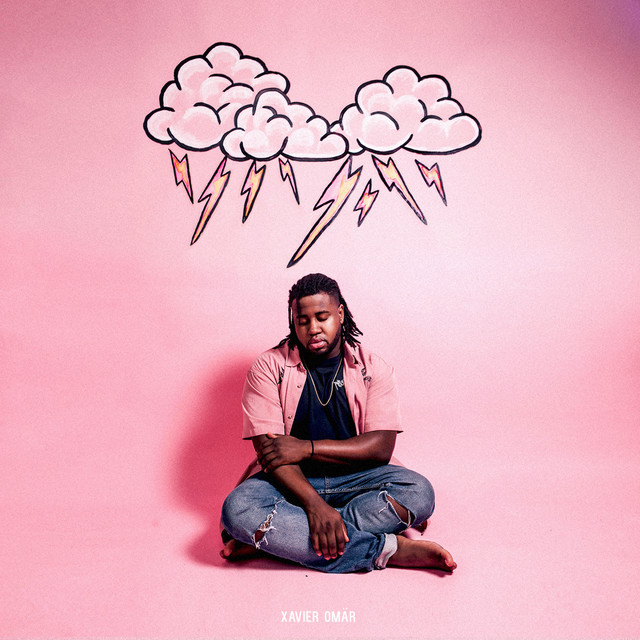
Pink Lightning - EP
Xavier Omär
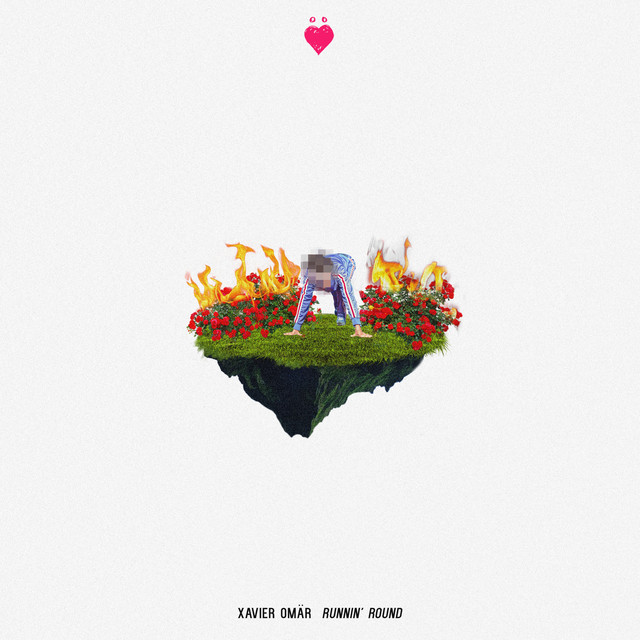
Runnin' Round
Xavier Omär
Artists
Various Artists
SPZRKT
Seul, Paul
Download our mobile app
Get the Melodigging app and start digging for new genres on the go
Download on the App Store
Get it on Google Play
© 2026 Melodigging
Give feedback
Legal
Melodding was created as a tribute to
Every Noise at Once
, which inspired us to help curious minds keep digging into music's ever-evolving genres.