Genres
Artists
Albums
Make Music
Sign in
Sign in
Record label
Kill Rock Stars
United States
Related genres
Alternative Rock
Alternative rock is a broad umbrella for guitar-based rock that emerged from the independent and college-radio scenes as a counterpoint to mainstream, commercial rock. It blends the energy and ethos of punk with the textural and songwriting experiments of post-punk, new wave, jangle pop, and noise rock, often foregrounding introspective or socially aware lyrics. Across its many strains—from the melodic minimalism of college rock to the loud-quiet-loud dynamics of grunge and the artful experimentation of Radiohead-era modernism—alternative rock prioritizes authenticity, sonic individuality, and a do-it-yourself approach. Its sound ranges from chiming, chorus-laden clean guitars to abrasive distortion and feedback, supported by straightforward rock rhythms or off-kilter grooves, and production that can be either raw and live-sounding or polished yet unconventional.
Discover
Listen
Emo
Emo is a rock subgenre that emerged from the mid-1980s Washington, D.C. hardcore punk scene as “emotional hardcore” (often shortened to emocore). It retains punk’s urgency but foregrounds confessional, vulnerable lyrics and dramatic dynamic shifts. Across its eras, emo has encompassed several distinct sounds: the intense, cathartic D.C. style; the melodic, guitar‑intricate “Midwest emo” of the 1990s; and the 2000s mainstream wave that blended emo’s lyrical candor with pop‑punk hooks (often called “emo pop”). Common musical traits include intertwining clean and overdriven guitars, intricate arpeggios and counter‑melodies, elastic song structures, and vocals that range from intimate murmurs to raw, impassioned shouts.
Discover
Listen
Emocore
Emocore (short for emotional hardcore) is a style of hardcore punk distinguished by intensely personal, confessional lyrics, dynamic song structures, and a heightened emphasis on melody and expressivity. It grew from the Washington, D.C. punk scene as musicians sought more nuanced ways to channel catharsis beyond the blunt-force speed and aggression of early hardcore. Musically, emocore retains hardcore’s driving rhythms and shouted/sung vocals, but it favors dramatic shifts in tempo and volume, ringing octave chords, crawling clean passages that explode into overdrive, and bass/drum interplay that supports sudden mood changes. Lyrically, it pivots from overt political manifestos toward vulnerability, interiority, relationships, and self-interrogation—without abandoning punk’s DIY ethic and intensity.
Discover
Listen
Indie Rock
Indie rock is a subgenre of rock and a branch of alternative rock that coalesced in the early–mid 1980s around independent labels and DIY practices in the United Kingdom, the United States, and New Zealand. Defined less by a single sound than by an ethos, indie rock favors non‑mainstream approaches, self‑recording and small‑label distribution, and an interest in pop‑informed melody and eclectic experimentation. Hallmarks include jangly or fuzzed guitars, intimate or deadpan vocals, off‑kilter song structures, and production that often preserves a raw, “authentic” feel rather than glossy studio polish.
Discover
Listen
Noise Rock
Noise rock is a subgenre of rock that deliberately embraces distortion, feedback, dissonance, and abrasive textures as primary musical materials rather than mere effects. It prioritizes timbre, volume, and sonic density over conventional melody and harmony, often using nonstandard tunings, prepared or detuned guitars, and extended techniques to generate harsh overtones and sheets of sound. Rhythm sections tend to be driving and repetitive, anchoring the chaos with motorik pulses, lurching grooves, or pummeling, minimal patterns. Vocals range from spoken and murmured to shouted and cathartic, with lyrics that skew cryptic, confrontational, or surreal. Aesthetically, noise rock traces a line from punk’s anti-virtuosity and DIY ethos through no wave’s iconoclasm and the avant-garde’s interest in sound-as-sound, yielding music that can be physically intense, psychologically unsettling, and artistically exploratory.
Discover
Listen
Post-Hardcore
Post-hardcore is a branch of hardcore punk that retains the style’s urgency and DIY ethos while expanding its musical vocabulary. Bands push beyond breakneck tempos and simple power-chord progressions into more dynamic song structures, varied rhythms, and a wider emotional range. Guitars often alternate between caustic distortion and clean, chiming textures; vocals can shift from shouted slogans to melodic singing; and arrangements emphasize tension-and-release, odd meters, and dramatic builds. Lyrically, post-hardcore tends to be more introspective and socially conscious than its hardcore roots, touching on personal, political, and philosophical themes.
Discover
Listen
Post-Rock
Post-rock is a style that uses traditional rock instrumentation—guitars, bass, drums, and often piano or strings—to create expansive textures, evolving soundscapes, and dynamic arcs rather than conventional verse–chorus songs. It emphasizes timbre, atmosphere, and gradual development: clean or lightly overdriven guitars drenched in delay and reverb, cyclical ostinatos, layered crescendos, and pronounced quiet–loud dynamics. Vocals, if present, are often sparse, wordless, or treated as another textural layer. The genre draws heavily from ambient, minimalism, krautrock, progressive and space rock, shoegaze, noise rock, and experimental practices, yielding music that can feel cinematic, contemplative, and emotionally cathartic.
Discover
Listen
Punk
Punk is a fast, abrasive, and minimalist form of rock music built around short songs, stripped-down instrumentation, and confrontational, anti-establishment lyrics. It emphasizes DIY ethics, raw energy, and immediacy over virtuosity, often featuring distorted guitars, shouted or sneered vocals, and simple, catchy melodies. Typical songs run 1–3 minutes, sit around 140–200 BPM, use power chords and basic progressions (often I–IV–V), and favor live, unpolished production. Beyond sound, punk is a cultural movement encompassing zines, independent labels, political activism, and a fashion vocabulary of ripped clothes, leather, and safety pins.
Discover
Listen
Punk Rock
Punk rock is a fast, raw, and stripped‑down form of rock music that foregrounds energy, attitude, and the DIY ethic over technical polish. Songs are short (often 90–180 seconds), in 4/4, and driven by down‑stroked power‑chord guitars, eighth‑note bass, and relentless backbeat drumming. Vocals are shouted or sneered rather than crooned, and lyrics are direct, often political, anti‑establishment, or wryly humorous. Production is intentionally unvarnished, prioritizing immediacy and live feel over studio perfection. Beyond sound, punk rock is a culture and practice: independent labels, fanzines, all‑ages venues, self‑organized tours, and a participatory scene that values inclusivity, affordability, and self‑reliance.
Discover
Listen
Riot Grrrl
Riot grrrl is a feminist punk movement and music scene that emerged in the early 1990s in the United States, centered around Olympia, Washington, and Washington, D.C. It blends the raw immediacy of punk and hardcore with explicitly feminist, anti-sexist, and DIY politics, using zines, community organizing, and confrontational performance to challenge patriarchy in music scenes and society at large. Musically, it favors short, fast, and noisy songs, shout-sung vocals, and simple, forceful chord progressions, while lyrically addressing topics such as bodily autonomy, sexual assault, gender norms, queer identity, and scene politics.
Discover
Listen
Rock
Rock is a broad family of popular music centered on amplified instruments, a strong backbeat, and song forms that foreground riffs, choruses, and anthemic hooks. Emerging from mid‑20th‑century American styles like rhythm & blues, country, and gospel-inflected rock and roll, rock quickly expanded in scope—absorbing folk, blues, and psychedelic ideas—while shaping global youth culture. Core sonic markers include electric guitar (often overdriven), electric bass, drum kit emphasizing beats 2 and 4, and emotive lead vocals. Rock songs commonly use verse–chorus structures, blues-derived harmony, and memorable melodic motifs, ranging from intimate ballads to high‑energy, stadium‑sized performances.
Discover
Listen
Rock And Roll
Rock and roll is a high-energy, dance-oriented popular music style that emerged in the United States in the early-to-mid 1950s. It fuses the 12‑bar blues and boogie‑woogie with the backbeat and instrumentation of rhythm & blues, the twang and storytelling of country, and the fervor of gospel. Its hallmark sound centers on a strong backbeat (accented on beats 2 and 4), driving rhythm sections, electric guitar riffs, prominent piano or saxophone leads, and catchy, chorus-forward songwriting. Typical harmonies revolve around I–IV–V progressions, often in 12-bar form, with swung or shuffle feels and punchy turnarounds. Culturally, rock and roll catalyzed a youth movement linked to dancing, teen identity, and social change. It bridged racial audiences by popularizing Black American musical traditions for mainstream listeners, and it laid the foundation for subsequent rock styles and much of modern pop.
Discover
Listen
Indie
Indie (short for “independent”) began as music made and released outside the major-label system, where a DIY ethos shaped everything from songwriting and recording to artwork and touring. As a sound, indie is eclectic but often features jangly or overdriven guitars, intimate or understated vocals, melodic basslines, and unvarnished production that foregrounds authenticity over gloss. It spans rock, pop, and folk while welcoming electronic textures and lo‑fi aesthetics. Lyrics typically focus on personal observation, small details, and wry self-awareness rather than overt virtuosity or spectacle. Beyond style, indie describes a culture: small labels and stores, college/alternative radio, fanzines/blogs, community venues, and scenes that value experimentation, individuality, and artistic control.
Discover
Listen
Alternative
Alternative is an umbrella term for non-mainstream popular music that grew out of independent and college-radio scenes. It emphasizes artistic autonomy, eclectic influences, and a willingness to subvert commercial formulas. Sonically, alternative often blends the raw immediacy of punk with the mood and texture of post-punk and new wave, adding elements from folk, noise, garage, and experimental rock. While guitars, bass, and drums are typical, production ranges from lo-fi to stadium-ready, and lyrics tend toward introspection, social critique, or surreal storytelling. Over time, “alternative” became both a cultural stance and a market category, spawning numerous substyles (alternative rock, alternative hip hop, alternative pop, etc.) and moving from underground circuits to mainstream prominence in the 1990s.
Discover
Listen
Albums
Troubled by the Fire
Laura Veirs
Elephantitus of the Night
godheadSilo
New Plastic Ideas
Unwound
Werewolves!
Cupid Car Club
Stars Kill Rock
Various Artists
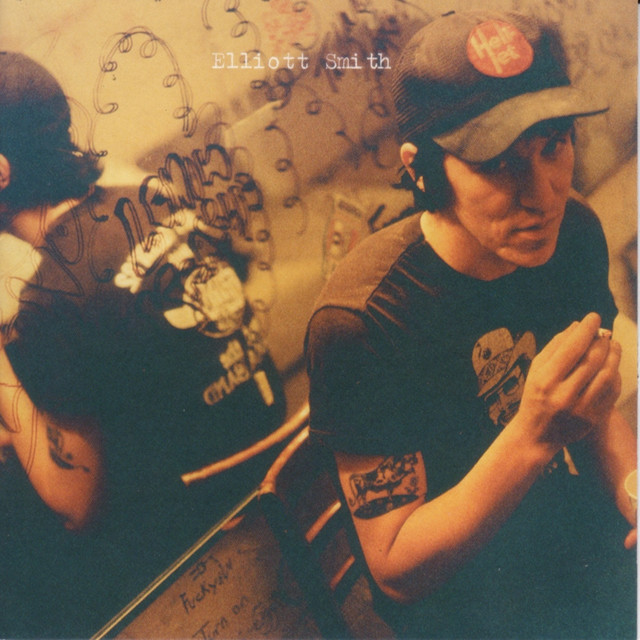
Either/Or
Elliott Smith
Some Jingle Jangle Morning
Mary Lou Lord
Corpse Pose / Everything Is Weird
Unwound
Rockstar / Mean
Kathleen Hanna / Slim Moon
Needle in the Hay
Elliott Smith
Show more
Artists
The Decemberists
Holly Golightly
Gossip
Elliott Smith
Circles Around The Sun
Bikini Kill
Unwound
Sleater-Kinney
Bratmobile
Comet Gain
Laura Veirs
Ronnie Spector
OOIOO
Team Dresch
Kathleen Hanna
Blood on the Saddle
Heavens To Betsy
Miranda July
Men's Recovery Project
Various Artists
Sean Na Na
Essential Logic
The Shaky Hands
Jad Fair
Mecca Normal
Billy Childish
Quasi
Kathy Acker
Brendan Canty
Mary Lou Lord
Cadallaca
Mocket
The John Doe Thing
Danielle Howle
Kleenex
LiLiPUT
Thrones
godheadSilo
Cupid Car Club
Slim Moon
Lung Leg
Huggy Bear
Penny Arcade
Cold Cold Hearts
Free Kitten
Emily’s Sassy Lime
Exene Cervenka
Matrimony
Witchypoo
Mukilteo Fairies
Juliana Luecking
Star Pimp
The Peechees
Jean Smith
wnico
The Third Sex
Dos
Excuse 17
Emily XYZ
The Frumpies
Universal Order of Armageddon
Stacey Levine
Peter Toliver
The Need
C Average
Jeff Hanson
Mike 'Sport' Murphy
Corrections
Bonfire Madigan
The Lies
Lois Maffeo
The Great Unraveling
Lake of Dracula
The Hangovers
Slumber Party
Bangs
The Paper Chase
Gravy Train!!!!
The Drags
Deep Lust
Owl & the Pussycat
Erase Errata
Edwin Torres
Two Ton Boa
Jim Carroll
Julie Ruin
Jason Traeger
Long Hind Legs
Tight Bro’s From Way Back When
Quix*O*Tic
David Fair
Deerhoof
The Advantage
Mikaela Davis
Har Mar Superstar
Tamar Aphek
Stereo Total
Download our mobile app
Get the Melodigging app and start digging for new genres on the go
Download on the App Store
Get it on Google Play
© 2026 Melodigging
Give feedback
Legal
Melodding was created as a tribute to
Every Noise at Once
, which inspired us to help curious minds keep digging into music's ever-evolving genres.