Genres
Artists
Albums
Make Music
Sign in
Sign in
Record label
Shamanic Tales
Related genres
Downtempo
Downtempo is a mellow, groove-oriented branch of electronic music characterized by slower tempos, plush textures, and a focus on atmosphere over dancefloor intensity. Typical tempos range from about 60–110 BPM, with swung or laid-back rhythms, dub-informed basslines, and warm, jazz-tinged harmonies. Stylistically, it blends the spaciousness of ambient, the head-nodding rhythms of hip hop and breakbeat, and the cosmopolitan smoothness of lounge and acid jazz. Producers often use sampled drums, Rhodes or Wurlitzer electric pianos, guitar licks with delay, and field recordings to create intimate, cinematic soundscapes. The mood spans from soulful and romantic to introspective and dusk-lit, making it a staple of after-hours listening, cafes, and relaxed club back rooms.
Discover
Listen
Electronic
Electronic is a broad umbrella genre defined by the primary use of electronically generated or electronically processed sound. It encompasses music made with synthesizers, drum machines, samplers, computers, and studio/tape techniques, as well as electroacoustic manipulation of recorded or synthetic sources. The genre ranges from academic and experimental traditions to popular and dance-oriented forms. While its sonic palette is rooted in electricity and circuitry, its aesthetics span minimal and textural explorations, structured song forms, and beat-driven club permutations. Electronic emphasizes sound design, timbre, and studio-as-instrument practices as much as melody and harmony.
Discover
Listen
Electronica
Electronica is a broad, largely 1990s umbrella term for a spectrum of electronic music crafted as much for immersive, album‑oriented listening as for clubs and raves. It gathers elements from techno, house, ambient, breakbeat, IDM, and hip hop production, emphasizing synthesizers, drum machines, samplers, and studio experimentation. The sound can range from downtempo and atmospheric to hard‑hitting and breakbeat‑driven, but it typically foregrounds sound design, texture, and mood over strict dance‑floor utility. In the mid‑to‑late 1990s the term was used by labels and press—especially in the United States—to market and introduce diverse electronic acts to mainstream rock and pop audiences.
Discover
Listen
Goa Trance
Goa trance is a subgenre of trance music that emerged in Goa, India in the early 1990s. It is characterized by long, progressively evolving tracks (often 8–12 minutes) built around hypnotic 4/4 beats, drone-like/rolling basslines, and densely layered, rapidly sequenced "psychedelic" melodies. Its sound palette blends analog acid timbres (notably TB‑303 squelches), bright arpeggiated leads, shimmering pads, and extensive use of delay/reverb to create a spacious, mind-expanding atmosphere. Melodic writing often draws on modal and "oriental"-inspired figures, occasionally referencing Indian scales and timbral cues, while maintaining a Western electronic dance framework at ~135–145 BPM. As the forerunner of psychedelic trance (psytrance), Goa trance emphasized organic, trance-inducing progression and spiritual/visionary aesthetics, aiming to put dancers into a collective "trance" on open-air beaches and forest dancefloors.
Discover
Listen
Progressive Trance
Progressive trance is a substyle of trance that emphasizes long-form development, subtle layering, and hypnotic momentum over sudden dramatic peaks. It typically features evolving pads, pulsating arpeggios, and rolling basslines that build gradually across extended arrangements. Compared to uplifting or anthem trance, progressive trance is more restrained and textural, trading overt melodrama for nuanced tension-and-release. The result is a deep, immersive sound that feels journey-like on the dancefloor while remaining lush and atmospheric in focused listening contexts.
Discover
Listen
Psychedelic
Psychedelic is an umbrella term for music that seeks to evoke, emulate, or accompany altered states of consciousness through sound, arrangement, and studio technique. It emphasizes timbral color, drones, modal harmony, surreal or mystical lyrics, and immersive production, often using tape manipulation, extended effects, and non‑Western instruments (notably from Indian classical traditions). The result ranges from delicate, dreamlike textures to dense, kaleidoscopic soundscapes intended to expand perception and dissolve conventional song form.
Discover
Listen
Psytrance
Psytrance (psychedelic trance) is a high-energy branch of trance music that emphasizes hypnotic repetition, richly modulated synth textures, and immersive sound design. Typically ranging from 138–150 BPM (with substyles slower or faster), it features a straight four-on-the-floor kick, a tight, rolling 1/16th-note bassline, and intricately layered FX—zaps, squelches, formant sweeps, and granular stutters—arranged to create a mind-bending, psychedelic journey. Tracks are commonly 6–9 minutes long, evolving through long-form tension and release. Harmony is sparse and modal (often minor, Phrygian, or Phrygian dominant), while rhythmic micro-variations, filter automation, and spatial motion (pans, dopplers, psychoacoustic tricks) carry the narrative.
Discover
Listen
Trance
Trance is a form of electronic dance music characterized by steady four-on-the-floor beats, long build‑ups and breakdowns, and euphoric, melodic progressions designed to induce a hypnotic or “trance‑like” state. Typical tempos range from about 130 to 142 BPM, with arrangements often stretching 7–10 minutes to allow DJs room for tension, release, and seamless mixing. The sound palette emphasizes shimmering pads, arpeggiated synth motifs, supersaw leads, and wide, reverberant spaces. Harmonically, trance tends to favor minor keys, modal mixture, and extended suspense before cathartic drops. Production hallmarks include sidechain compression (“pumping”), off‑beat open hi‑hats, rolling basslines, and lush delay/reverb tails. While largely instrumental, a major branch—vocal trance—features lyrical toplines and pop‑leaning structures without losing its club‑centric dynamics.
Discover
Listen
Indie Dance
Indie dance blends the melodic sensibilities and live‑band ethos of indie rock with the groove, repetition, and production techniques of club music. The result is a dancefloor‑friendly sound that keeps guitars, bass, and vocals in the spotlight while leaning on four‑on‑the‑floor drums, funky basslines, and luminous analog synths. The style typically sits around 108–124 BPM, favors warm vintage tones (Roland drum machines, Juno/Jupiter/Prophet synths), and draws on disco and new wave for harmony and rhythm. Hooks are carried by concise vocal lines and ear‑catching motifs, often delivered with the intimate, conversational tone associated with indie music.
Discover
Listen
Albums
The Zenon Paradox
Various Artists
Solstice
Cord
Awakening Echoes
Porat
Shadows
Astrix & Simon Patterson
Jungle Mangle
Various Artists
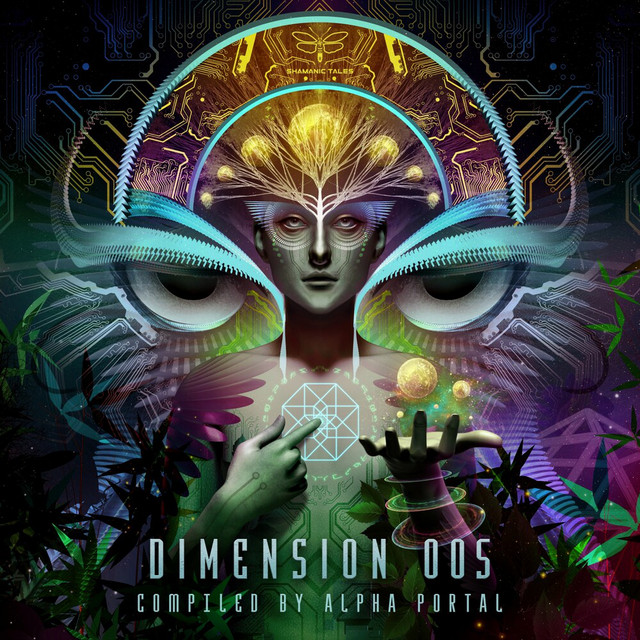
Dimension 005
Alpha Portal
Shofar
Rising Dust
He.art
Astrix
Oasis (Volcano on Mars remix)
Faders & Melicia feat. Raja Ram
Closer to Heaven (Alok remix)
Astrix
Show more
Artists
Electric Universe
Synthatic
Alpha Portal
Moonclipse
Tristan
Blazy
Ace Ventura
Spectra Sonics
Infected Mushroom
Shpongle
Blastoyz
Outsiders
Simon Patterson
Lifeforms
Astrix
Egorythmia
Mandala (UK)
Delirious
Raja Ram
Rising Dust
Volcano On Mars
Sonic Species
John 00 Fleming
Eskimo
Various Artists
Cord
Bliss
Out Of Orbit
OxiDaksi
Greg Hilight
Noor
Asgard
Shanti V Deedrah
Pettra
Domestic
Space Cat
Faders
Burn In Noise
Ritmo
MoRsei
Quantum
NO SPOON
Porat
SOME1
Menog
Starlab (IN)
Antinomy
Animato
Melicia
Atomic Pulse
Download our mobile app
Get the Melodigging app and start digging for new genres on the go
Download on the App Store
Get it on Google Play
© 2026 Melodigging
Give feedback
Legal
Melodding was created as a tribute to
Every Noise at Once
, which inspired us to help curious minds keep digging into music's ever-evolving genres.