Genres
Artists
Albums
Make Music
Sign in
Sign in
Record label
Method 808
London
Related genres
Dance
Dance (as a broad, mainstream club- and radio-oriented style) is pop-leaning music designed primarily for dancing, characterized by steady, driving beats, catchy hooks, and production that translates well to nightclubs and large sound systems. It emerged after disco, blending four-on-the-floor rhythms with electronic instrumentation and pop songwriting, and it continually absorbs elements from house, techno, Hi-NRG, synth-pop, and later EDM. Tempos commonly fall between 110–130 BPM, vocals often emphasize memorable choruses, and arrangements are structured for both club mixing and mass appeal.
Discover
Listen
Dance-Pop
Dance-pop is a mainstream-oriented pop style built for both radio and the dancefloor. It blends hook-driven songwriting with club-ready rhythms, typically using a steady four-on-the-floor kick, bright synthesizers, and punchy, polished production. Tempos usually sit in the 110–128 BPM range, and arrangements emphasize memorable choruses, clear verses and pre-choruses, and concise structures suitable for radio edits. Compared with club genres like house or techno, dance-pop prioritizes song form, vocal presence, and accessible harmonies, while still retaining an energetic groove. The sound palette often includes layered synths, sampled or electronic drums, tight bass lines, ear-catching toplines, and modern production techniques such as sidechain compression and stacked vocal harmonies.
Discover
Listen
Electro
Electro is an early 1980s machine-funk style built around drum machines (especially the Roland TR-808), sequenced basslines, and a futuristic, robotic aesthetic. It emphasizes syncopated rhythms, sparse arrangements, and timbres drawn from analog and early digital synthesizers. Vocals, when present, are often delivered via vocoder or rap-style chants, reinforcing a sci‑fi, cyborg persona. Electro’s grooves powered breakdance culture, and its sonic palette—crisp 808 kicks, snappy snares, dry claps, cowbells, and squelchy bass—became foundational to later techno and bass music.
Discover
Listen
Electronic
Electronic is a broad umbrella genre defined by the primary use of electronically generated or electronically processed sound. It encompasses music made with synthesizers, drum machines, samplers, computers, and studio/tape techniques, as well as electroacoustic manipulation of recorded or synthetic sources. The genre ranges from academic and experimental traditions to popular and dance-oriented forms. While its sonic palette is rooted in electricity and circuitry, its aesthetics span minimal and textural explorations, structured song forms, and beat-driven club permutations. Electronic emphasizes sound design, timbre, and studio-as-instrument practices as much as melody and harmony.
Discover
Listen
Eurodance
Eurodance is a high-energy, club-oriented pop style that emerged in Europe in the early 1990s. It is characterized by a strong four-on-the-floor kick, catchy synth hooks, prominent piano riffs, and a blend of sung choruses (often female) with rap verses (often male). The style typically runs between 128–145 BPM, favors simple, anthemic chord progressions, and emphasizes uplifting, motivational, or romantic lyrics delivered in English for international appeal. Production commonly features staccato house pianos, bright saw-lead melodies, choir/strings pads, and tight drum-machine patterns with offbeat open hi-hats. The result is hook-driven dance-pop designed for maximum radio and dancefloor impact.
Discover
Listen
Footwork
Footwork (often called juke or Chicago juke) is a high‑velocity, sample‑driven form of electronic dance music that emerged from Chicago’s battle‑dance culture. Built around stuttering, off‑grid percussion at roughly 160 BPM, it uses chopped vocal snippets, booming sub‑bass, and rapid toms, claps, and snares arranged in highly syncopated patterns that are not locked to a constant 4/4 kick. Producers frequently slice fragments of rap, R&B, pop, and soul into call‑and‑response hooks that interact with dancers on the floor. The result is a tense, kinetic sound designed for competitive circles as much as for clubs and headphones.
Discover
Listen
Hard House
Hard house is a high-energy, riff-driven branch of house music that emerged in the UK club scene in the mid-1990s. It pairs a relentless four-on-the-floor 909 kick and off‑beat open hi-hats with pumping, rolling basslines and bold, hooky synth stabs. Typical tempos range from about 135 to 150 BPM, with dramatic snare fills, risers, and breakdowns that set up big, euphoric drops. Sonically it favors thick, saturated drums; hoover-style and supersaw leads; trance-tinged chords; and chopped or pitched vocal snippets. The focus is dancefloor momentum and DJ-friendly arrangement: long intros/outros, clear breakdowns, and memorable lead riffs designed for peak-time impact.
Discover
Listen
House
House is a dance music genre that emerged in Chicago in the early 1980s, defined by a steady four-on-the-floor kick drum, off-beat hi-hats, soulful or hypnotic vocals, and groove-centric basslines. Typical tempos range from 118–130 BPM, and tracks are structured in DJ-friendly 16–32 bar phrases designed for seamless mixing. Drawing on disco’s celebratory spirit, electro-funk’s drum-machine rigor, and Italo/Hi-NRG’s synth-led sheen, house prioritizes repetition, tension-and-release, and communal energy on the dancefloor. Its sound palette often includes 808/909 drums, sampled or replayed disco/funk elements, filtered loops, piano/organ stabs, and warm, jazzy chords. Over time, house diversified into many substyles—deep house, acid house, French house, tech house, progressive house, and more—yet it remains a global foundation of club culture, known for emphasizing groove, inclusivity, and euphoria.
Discover
Listen
Techno
Techno is a four-on-the-floor, machine-driven form of electronic dance music that emerged in mid-to-late 1980s Detroit. It is characterized by steady 4/4 kick drums, repetitive and hypnotic rhythmic patterns, synthetic timbres, and an emphasis on texture, groove, and forward momentum over elaborate harmony. Producers typically use drum machines, sequencers, and synthesizers to build layered percussion, pulsing basslines, and evolving motifs. While often dark and minimalistic, techno spans a wide spectrum—from soulful, futuristic Detroit aesthetics to hard, industrially tinged European strains—yet it consistently prioritizes kinetic energy for dancefloors and a sense of machine futurism.
Discover
Listen
Trance
Trance is a form of electronic dance music characterized by steady four-on-the-floor beats, long build‑ups and breakdowns, and euphoric, melodic progressions designed to induce a hypnotic or “trance‑like” state. Typical tempos range from about 130 to 142 BPM, with arrangements often stretching 7–10 minutes to allow DJs room for tension, release, and seamless mixing. The sound palette emphasizes shimmering pads, arpeggiated synth motifs, supersaw leads, and wide, reverberant spaces. Harmonically, trance tends to favor minor keys, modal mixture, and extended suspense before cathartic drops. Production hallmarks include sidechain compression (“pumping”), off‑beat open hi‑hats, rolling basslines, and lush delay/reverb tails. While largely instrumental, a major branch—vocal trance—features lyrical toplines and pop‑leaning structures without losing its club‑centric dynamics.
Discover
Listen
Uk Garage
UK garage is a British evolution of US garage/house that emerged in the mid-to-late 1990s around London’s pirate radio, record shops, and clubs. It is characterized by shuffling, syncopated rhythms, swung hi‑hats, crisp snares, and a pronounced sense of groove at roughly 130–138 BPM. The style blends house’s soulful chords and R&B vocals with jungle/drum & bass sound-system bass weight, often featuring chopped and time‑stretched vocal samples, organ/piano stabs, and warm Rhodes textures. Two major strands formed: 4x4 (straight four-on-the-floor with heavy swing) and 2‑step (broken kick patterns that avoid a constant four-on-the-floor). MC toasting and call‑and‑response vocals became a signature of the scene. Substyles include speed garage (darker, bass‑heavier, often with wobbly LFO bass) and 2‑step (sparser, more syncopated drums). UK garage’s club‑ready energy and vocal sensibility propelled it into the mainstream and laid the groundwork for grime, dubstep, bassline, and UK funky.
Discover
Listen
Albums
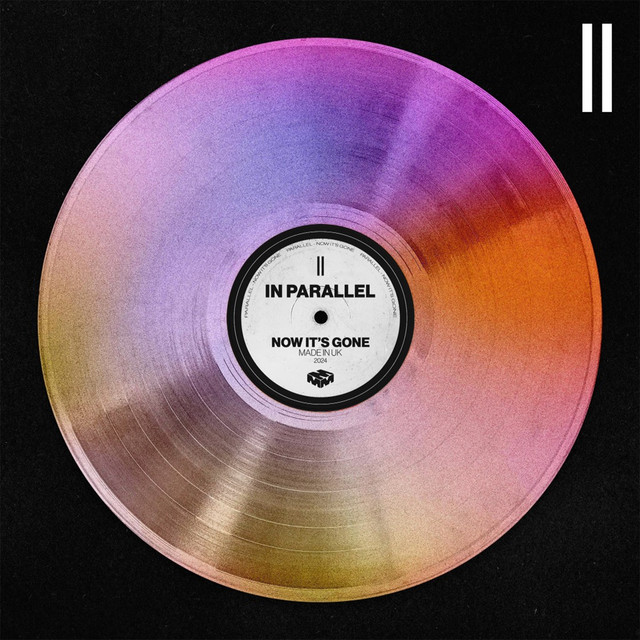
NOW IT'S GONE
In Parallel
Sunscreen
Spriitzz feat. Merely
Close My Eyes (DJ BORING remix)
Shee
It's Only True (Extended Mix)
Ollie Lishman
FORZ4 (Extended Mix)
t e s t p r e s s
La Batteria (The Remixes)
DJ Gigola
Pull Up
Special Request, ODF, Tim Reaper
Everything
Luuk van Dijk
It's That Time (FISHER Remix - Extended Mix)
Marlon Hoffstadt, FISHER & DJ Daddy Trance
I Can See
Duskus
Show more
Artists
MCYL
DJ Gigola
SWIM
Tim Reaper
Duskus
FISHER
Ely Oaks
Merely
Marlon Hoffstadt
ODF
DJ BORING
Luuk Van Dijk
Special Request
MALUGI
Shanti Celeste
Rohaan
SHERELLE
Upper90
X CLUB.
Narciss
SHEE
IN PARALLEL
Juicy Romance
Fonzo
Spriitzz
ROAMING DATA
Coach Harrison
Ollie Lishman
t e s t p r e s s
Megra
Elkka
yunè pinku
Kibo
Download our mobile app
Get the Melodigging app and start digging for new genres on the go
Download on the App Store
Get it on Google Play
© 2026 Melodigging
Give feedback
Legal
Melodding was created as a tribute to
Every Noise at Once
, which inspired us to help curious minds keep digging into music's ever-evolving genres.