Genres
Artists
Albums
Make Music
Sign in
Sign in
Record label
EA Music
United States
Related genres
Chiptune
Chiptune (also called chip music or 8-bit music) is a style of electronic music created with, or emulating, the programmable sound generator (PSG) and FM chips found in vintage game consoles and home computers such as the NES/Famicom, Game Boy, Commodore 64 (SID), Amiga, Atari ST, and others. The sound palette is defined by simple waveforms (square/pulse, triangle, saw, noise), rapid arpeggios that imply chords on limited channels, pitch bends, duty-cycle modulation, and crunchy noise percussion. These constraints lend chiptune its bright, percussive, and highly melodic character, often evoking early video-game aesthetics. While originally utilitarian—music for games and computer demos—the approach evolved into a standalone art form. Contemporary chiptune spans pure hardware-authentic tracks and hybrid productions that blend chip timbres with modern synthesis, drums, vocals, and mixing techniques.
Discover
Listen
Electronic
Electronic is a broad umbrella genre defined by the primary use of electronically generated or electronically processed sound. It encompasses music made with synthesizers, drum machines, samplers, computers, and studio/tape techniques, as well as electroacoustic manipulation of recorded or synthetic sources. The genre ranges from academic and experimental traditions to popular and dance-oriented forms. While its sonic palette is rooted in electricity and circuitry, its aesthetics span minimal and textural explorations, structured song forms, and beat-driven club permutations. Electronic emphasizes sound design, timbre, and studio-as-instrument practices as much as melody and harmony.
Discover
Listen
Folk
Folk is a song-centered acoustic tradition rooted in community storytelling, everyday life, and social history. It emphasizes clear melodies, simple harmonies, and lyrics that foreground narrative, protest, and personal testimony. As a modern recorded genre, folk coalesced in the early-to-mid 20th century in the United States out of older ballad, work song, and rural dance traditions. It typically features acoustic instruments (guitar, banjo, fiddle, mandolin, harmonica), strophic song forms, and participatory singing (choruses, call-and-response).
Discover
Listen
Hip Hop
Hip hop is a cultural and musical movement that emerged from Black, Latino, and Caribbean communities, centering around rapping (MCing), DJing/turntablism, sampling-based production, and rhythmic speech over beats. It prioritizes groove, wordplay, and storytelling, often reflecting the social realities of urban life. Musically, hip hop is built on drum-centric rhythms (from breakbeats to 808 patterns), looped samples, and bass-forward mixes. Lyrically, it ranges from party anthems and braggadocio to political commentary and intricate poetic forms, with flow, cadence, and rhyme density as core expressive tools. Beyond music, hip hop encompasses a broader culture, historically intertwined with graffiti, b-boying/b-girling (breakdance), fashion, and street entrepreneurship, making it both an art form and a global social language.
Discover
Listen
Orchestral
Orchestral music refers to compositions written for an orchestra—a large ensemble typically built around a string section (violins, violas, cellos, double basses), complemented by woodwinds, brass, percussion, and often harp, keyboard, or other auxiliary instruments. A conductor coordinates the ensemble, shaping balance, phrasing, and expression. The style emphasizes coloristic timbre combinations, dynamic range from the softest pianissimo to explosive tuttis, and textures that can shift seamlessly between transparent chamber-like writing and monumental masses of sound. Orchestral writing underpins concert genres such as symphonies, overtures, and tone poems, as well as opera, ballet, and modern film and game scores. While orchestral writing evolved across centuries, its core craft centers on melody, counterpoint, harmony, register, and orchestration—the art of assigning musical ideas to instruments to achieve clarity, contrast, and narrative impact.
Discover
Listen
Soundtrack
Soundtrack is music created to accompany and enhance visual media such as film, television, and video games. It includes original scores (instrumental or vocal music composed specifically for the picture) and, at times, curated compilations of pre-existing songs. Stylistically, soundtrack is a meta-genre that can encompass orchestral symphonic writing, jazz, electronic and synth-driven textures, choral forces, popular song, and experimental sound design. Its defining trait is functional storytelling: themes, motifs, harmony, rhythm, and timbre are shaped by narrative needs, character psychology, pacing, and editing. Common features include leitmotifs for characters or ideas, modular cues that can be edited to picture, dynamic orchestration for dramatic range, and production approaches that sit well under dialogue and sound effects. Because it must synchronize to picture, soundtrack often uses clear dramatic arcs, tempo maps, and hit points.
Discover
Listen
Modern Classical
Modern classical is a contemporary strand of instrumental music that applies classical composition techniques to intimate, cinematic settings. It typically foregrounds piano and strings, is sparsely orchestrated, and embraces ambience, repetition, and timbral detail. Rather than the academic modernism of the early 20th century, modern classical as used today refers to accessible, mood-driven works that sit between classical, ambient, and film music. Felt pianos, close‑miked string quartets, tape hiss, drones, soft electronics, and minimal harmonic movement are common, producing a contemplative, emotionally direct sound that translates well to headphones, streaming playlists, and screen media.
Discover
Listen
Albums
Battlefield V (Original Soundtrack)
Johan Söderqvist & Patrik Andrén
Army of Two (Original Soundtrack)
Trevor Morris
Dead Space (Original Soundtrack)
Jason Graves
Mass Effect 2: Overlord (Original Videogame Score)
Christopher Lennertz
The Sims: House Party (Original Soundtrack)
Various Artists
The Sims 3 NextGen (Original Videogame Score)
Steve Jablonsky
Battlefield: Bad Company 2 (Original Soundtrack)
Mikael Karlsson
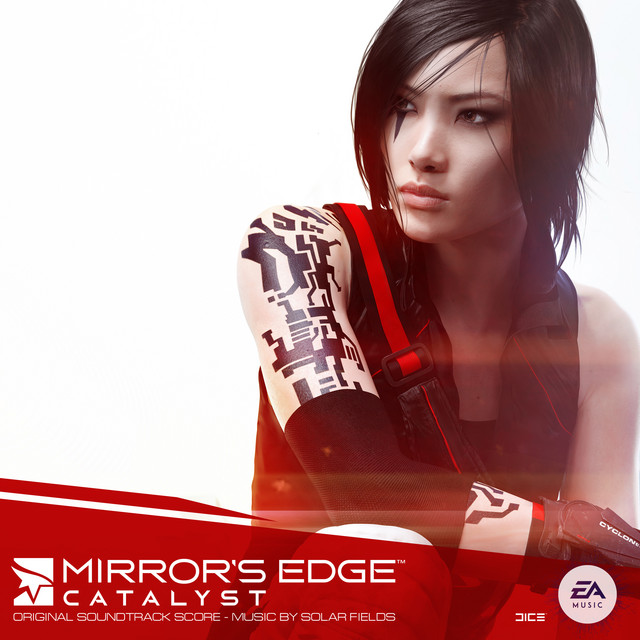
Mirror’s Edge Catalyst
Solar Fields
Dante’s Inferno (Original Soundtrack)
Garry Schyman & Paul Gorman
Dragon Age 2: Epic Time (Original Videogame Soundtrack)
Inon Zur
Show more
Artists
Lorne Balfe
Jeff Russo
Trevor Morris
John Paesano
Ramin Djawadi
Steve Jablonsky
Hans Zimmer
Austin Wintory
Sam Hulick
Tyler Bates
Hildur Guðnadóttir
Chris Tilton
Cris Velasco
Photek
Bill Brown
Johan Söderqvist
Ilan Eshkeri
Stephen Barton
Michael Giacchino
Clint Mansell
Inon Zur
Nami Melumad
Junkie XL
CHVRCHES
Joseph Trapanese
Sarah Schachner
Jack Wall
Patrik Andrén
Jason Graves
Alexander Roeder
Raney Shockne
Various Artists
Tilman Sillescu
Garry Schyman
Stan LePard
Trevor Gureckis
Paul Haslinger
Ian Livingstone
James Hannigan
Pedro Bromfman
Solar Fields
Mikael Karlsson
Paul Gorman
Jerry Martin
The Tiberian Sons
Marc Russo
Wojahn Bros Music
melody.
Nick Stoubis
Alexander Pfeffer
Markus Schmidt
EA SPORTS College Football Marching Band
Joel Eriksson
Guy Whitmore
John Debney
Brodinski
Elizaveta
Frida Johansson
Henrik Oja
Frank Klepacki
Mark Mothersbaugh
Sam Slater
Sascha Dikiciyan
Christopher Lennertz
Download our mobile app
Get the Melodigging app and start digging for new genres on the go
Download on the App Store
Get it on Google Play
© 2026 Melodigging
Give feedback
Legal
Melodding was created as a tribute to
Every Noise at Once
, which inspired us to help curious minds keep digging into music's ever-evolving genres.