Genres
Artists
Albums
Make Music
Sign in
Sign in
Record label
Alpha Classics
France
Related genres
Baroque
Baroque is a period and style of Western art music spanning roughly 1600–1750. It is characterized by the birth of functional tonality, the widespread use of basso continuo (figured bass), and a love of contrast—between soloist and ensemble, loud and soft, and different timbres. Hallmark genres and forms of the era include opera, cantata, oratorio, concerto (especially the concerto grosso), dance suite, sonata, and fugue. Textures range from expressive monody to intricate counterpoint, and melodies are richly ornamented with trills, mordents, and appoggiaturas. Baroque music flourished in churches, courts, and theaters across Europe, with regional styles (Italian, French, German, English) shaping distinctive approaches to rhythm, dance, harmony, and ornamentation.
Discover
Listen
Classical
Classical music is the notated art-music tradition of Europe and its global descendants, characterized by durable forms, carefully codified harmony and counterpoint, and a literate score-based practice. The term “classical” can refer broadly to the entire Western art-music lineage from the Medieval era to today, not just the Classical period (c. 1750s–1820s). It privileges long-form structures (such as symphonies, sonatas, concertos, masses, and operas), functional or modal harmony, thematic development, and timbral nuance across ensembles ranging from solo instruments to full orchestras and choirs. Across centuries, the style evolved from chant and modal polyphony to tonal harmony, and later to post-tonal idioms, while maintaining a shared emphasis on written notation, performance practice, and craft.
Discover
Listen
Renaissance
Renaissance music (c. 1400–1600) marks the shift from medieval sonorities to a clearer, triad-based polyphony in which multiple independent voices are treated with near-equal importance. It favors modal counterpoint, pervasive imitation, smooth voice-leading, and carefully prepared cadences. Text intelligibility and expressive text-setting become central concerns, especially in sacred motets and masses and in secular forms like the Italian madrigal and the French chanson. While much of the repertory is a cappella, instrumental consorts (viol, recorder, sackbut, cornett, organ) play a growing role. A steady tactus underpins rhythms, and tuning systems such as meantone temperament shape its characteristic color. Music printing (from 1501) accelerates stylistic diffusion across Europe.
Discover
Listen
Chamber Music
Chamber music is a tradition of composed music for small ensembles—typically one player per part—intended for intimate spaces such as courts, salons, and private rooms rather than large public halls. Its aesthetic emphasizes clarity of texture, conversational interplay among parts, and balance without a conductor. Hallmark formations include the string quartet, piano trio, wind quintet, string quintet, and various mixed ensembles. Multi‑movement cycles (often in sonata form) and finely wrought counterpoint are common, ranging from Baroque trio sonatas to Classical string quartets and modern works with expanded timbres and techniques. Because of its scale and transparency, chamber music has long been a proving ground for compositional craft and ensemble musicianship, shaping the core of Western art music from the Baroque through the present.
Discover
Listen
Cello
Cello as a genre centers musical works and performances where the violoncello is the primary voice, spanning solo repertoire, chamber settings, and orchestral features. The instrument’s lyrical baritone range (from a deep C2 to a singing C6 and beyond in harmonics) allows it to cover melody, inner voices, and bass lines with equal authority. In this genre, idiomatic bowing (legato, spiccato, martelé), coloristic techniques (sul tasto, sul ponticello), and expressive vibrato shape phrases that often feel vocal in character. While rooted in Western classical traditions, modern cello practice also extends into film music, contemporary classical, and crossover settings, emphasizing intimacy, resonance, and storytelling.
Discover
Listen
Albums
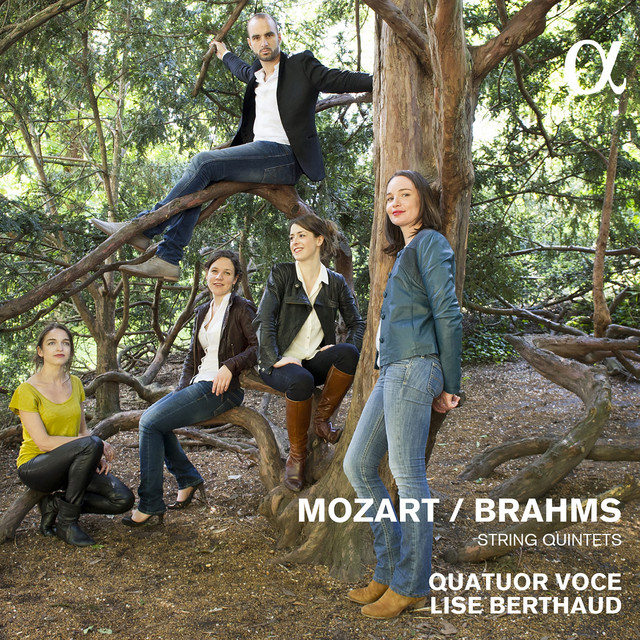
Mozart & Brahms: String Quintets
Quatuor Voce, Lise Berthaud
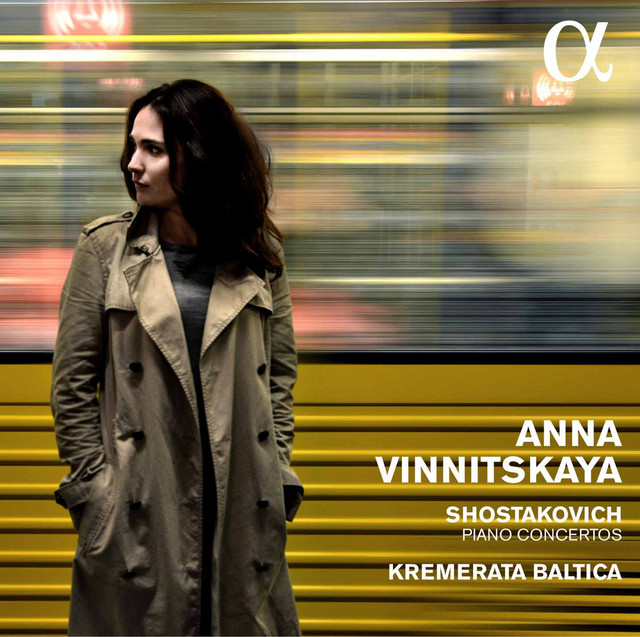
Shostakovich: Piano Concertos
Dmitri Shostakovich, Anna Vinnitskaya, Omer Meir Wellber
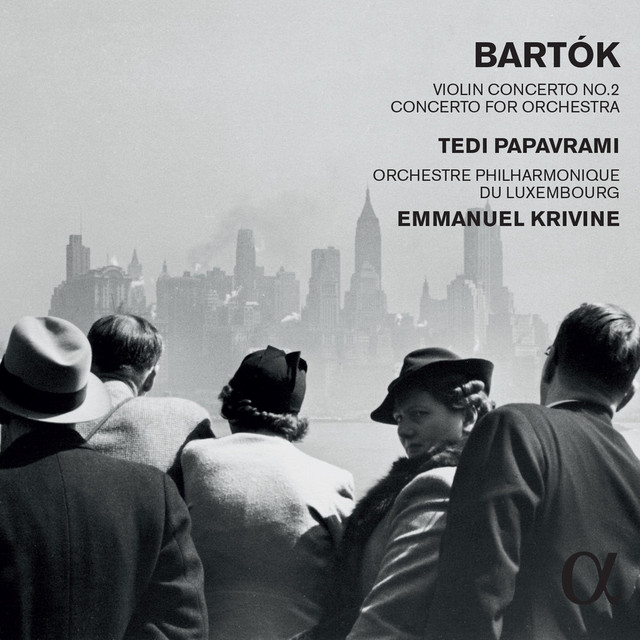
Violin Concerto no. 2 / Concerto for Orchestra
Bartók; Tedi Papavrami, Orchestre philharmonique du Luxembourg, Emmanuel Krivine
Néère
Hahn, Duparc, Chausson; Véronique Gens, Susan Manoff
Bartók: Violin Concerto No. 2 in B Major, Sz. 112 & Concerto for Orchestra, Sz. 116
Béla Bartók, Tedi Papavrami, Orchestre Philharmonique Du Luxembourg, Emmanuel K…
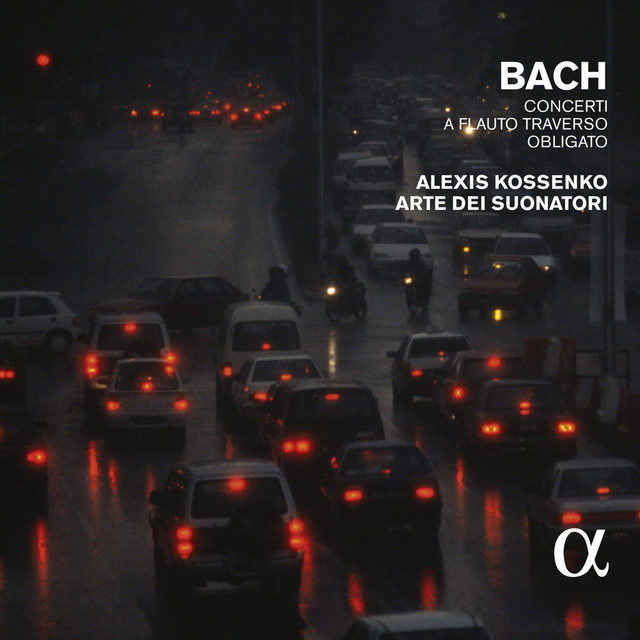
C.P.E. Bach: Concerti a flauto traverso obligato (Alpha Collection)
Carl Philipp Emanuel Bach, Alexis Kossenko, Arte dei Suonatori
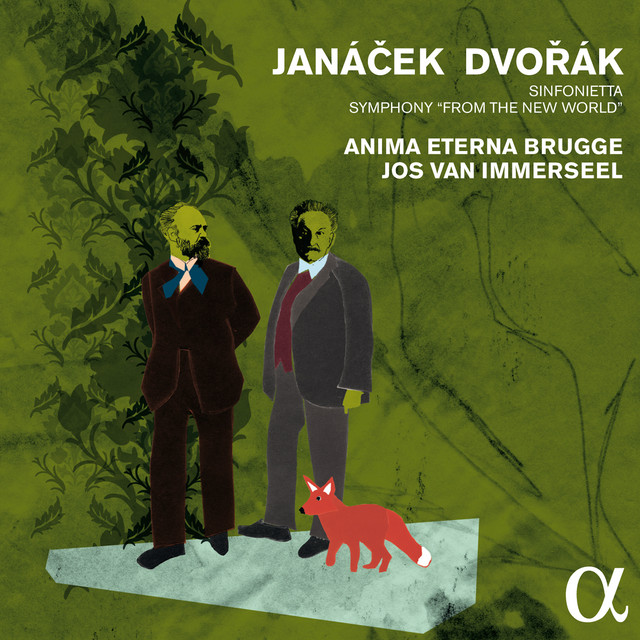
Janáček: Sinfonietta - Dvořák: Symphony "From the New World"
Anima Eterna, Jos Van Immerseel
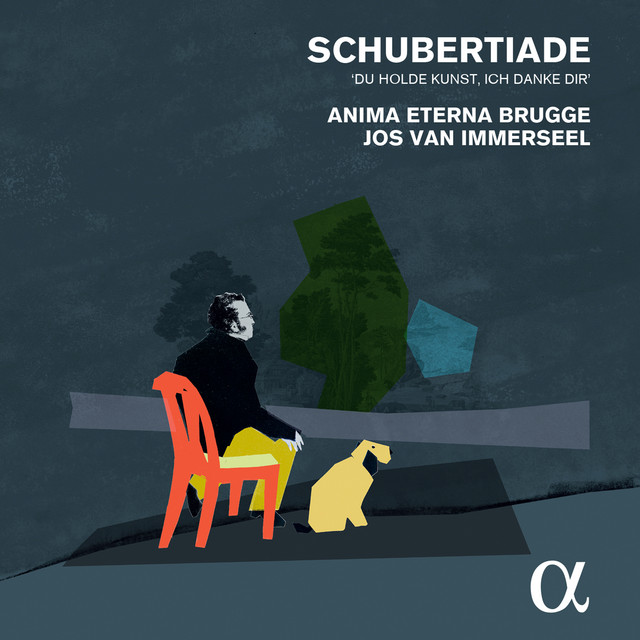
Schubertiade: Du holde Kunst, ich danke dir
Franz Schubert, Anima Eterna, Jos Van Immerseel
Trios for Fortepiano & Viola da gamba
CPE Bach, Graun, Hesse; Lucile Boulanger, Arnaud De Pasquale
Gloria / Magnificat
Vivaldi; Le Concert Spirituel, Hervé Niquet
Show more
Artists
Ludwig van Beethoven
Wolfgang Amadeus Mozart
Claude Debussy
Edouard Ferlet
William Byrd
Orchestre Philharmonique de Radio France
Johann Sebastian Bach
Alexandre Tharaud
Erik Satie
Guillaume De Chassy
Maurice Ravel
Gabriel Fauré
Jean-Philippe Rameau
Jean-Guihen Queyras
Giovanni Battista Pergolesi
Raphael Pichon
Vincent Dumestre
Gli Incogniti
Rinaldo Alessandrini
Il Giardino Armonico
Giovanni Antonini
Raphaël Imbert
Vox Luminis
Arnold Schoenberg
Franz Schubert
Quatuor Ébène
Carl Philipp Emanuel Bach
Eric Le Sage
Véronique Gens
Joseph Haydn
Emmanuel Pahud
György Ligeti
Franz Liszt
Edvard Grieg
Sabine Devieilhe
Le Concert Spirituel
Amandine Beyer
John Coltrane
Sofi Jeannin
Ensemble Intercontemporain
Herve Niquet
Frédéric Chopin
Johann Pachelbel
Georg Philipp Telemann
Collegium Vocale Gent
Saint Paul Chamber Orchestra
Paul Agnew
Lionel Meunier
Cappella Mediterranea
Dmitri Shostakovich
Alexei Lubimov
Alexis Kossenko
Luigi Cherubini
Johannes Brahms
Henry Purcell
John Dowland
Les Musiciens De Saint-Julien
Leoš Janáček
Krzysztof Urbański
Jean-Jacques Kantorow
Kremerata Baltica
Claudio Monteverdi
Antonio Vivaldi
Antonín Dvořák
Hector Berlioz
Igor Stravinsky
Sergei Prokofiev
Richard Strauss
Francis Poulenc
Olga Pashchenko
Julien Libeer
Hans Leo Hassler
Ernest Chausson
Marc Coppey
Béla Bartók
Lucile Boulanger
Anton Webern
Ensemble 415
Ensemble Masques
Le Poème Harmonique
Ensemble Pygmalion
Emmanuel Krivine
Lise Berthaud
NDR Elbphilharmonie Orchester
Édouard Lalo
Paul Meyer
Chiara Banchini
Alban Berg
François Lazarevitch
Laurent Naouri
Quatuor Manfred
André Campra
Gustav Leonhardt
Susan Manoff
Giuseppe Tartini
Leonardo García-Alarcón
Chantal Santon Jeffery
Witold Lutosławski
Juliette Hurel
Orlando Gibbons
Le Balcon
Les Basses Réunies
Orchestre Philharmonique Du Luxembourg
Marie-Elisabeth Hecker
Martin Haselböck
Les Nouveaux Caractères
Les Chantres du Centre de Musique Baroque de Versailles
Guido Balestracci
Anima Eterna
Yury Martynov
Peter Eötvös
François-Frédéric Guy
Justin Taylor
Martin Helmchen
Café Zimmermann
La Tempête
Belcea Quartet
Midori
Arte dei Suonatori
Anna Vinnitskaya
Frank Martin
Accademia Ottoboni
Quatuor Van Kuijk
Le Cercle De L'Harmonie
Olivier Cavé
Sébastien d'Hérin
Jos Van Immerseel
Het Collectief
Simon-Pierre Bestion
Orchestre Philharmonique Royal de Liège
Olivier Schneebeli
François Salque
Anna Prohaska
Quatuor Danel
Reinbert de Leeuw
Capriccio Stravagante
Various Artists
Wiener Akademie
Graun
Leclair
Locatelli
Hersant
Laurens
Skip Sempé
Giuseppe Valentini
Maîtrise de Radio France
Hugo Wolf
Matthias Pintscher
Martin Grubinger
Henri Duparc
Nelson Goerner
Antoine Forqueray
Bull
Jérémie Rhorer
Ruby Hughes
Locke
Jodie Devos
Alexander von Zemlinsky
Quatuor Voce
Tedi Papavrami
Hesse
Arnaud De Pasquale
Jean-Baptiste Barrière
Bruno Cocset
Blandine Rannou
Les Temps présents
Benoît Arnould
Isabelle Druet
Alain Buet
Éric Martin-Bonnet
Nicolas Bône
Antônio Meneses
Patrizia Bovi
Pino De Vittorio
Bernard Arrieta
Les Pages de la Chapelle de Versailles
Slava Poprugin
Romanus Weichlein
Anders J. Dahlin
Marazzoli
Bernard Richter
Gaëlle Arquez
João Fernandes
Emmanuelle de Negri
Romain Champion
Grøndahl
Mari Eriksmoen
Alphonse Cemin
Céline Frisch
طلال سلامة
Thomas Savy
Arnault Cuisinier
Daishin Kashimoto
Les Witches
Pécou
Éric Montalbetti
Nicolas Baldeyrou
Jean‐Louis Capezzali
David Guerrier
Caroline Meng
Quatuor Giardini
Giovanni Rovetta
Galilei Consort
Benjamin Chénier
Divertissement
Ritter
Strogers
Plantade
Till Fellner
Marco Ceccato
Jan Van Hoecke
Jovanka Marville
Nevermind
Lorenzo Gatto
Robert Getchell
Rupert Charlesworth
Bellerofonte Castaldi
Henry Madin
Stradivaria
Les Cris de Paris
Daniel Cuiller
André Rossi
Jean-Luc Di Fraya
Michel Péres
Busch Trio
John Malkovich
Herbert Föttinger
Chouchane Siranossian
Reinoud Van Mechelen
A Nocte Temporis
Lavandier
Académie de musique de rue Tonton a faim
Bertrand Cuiller
Charles Avison
Hanns Eisler
Thomas Dunford
Olivier Fortin
Reynaldo Hahn
Violaine Cochard
Patricia Kopatchinskaja
Emőke Baráth
Download our mobile app
Get the Melodigging app and start digging for new genres on the go
Download on the App Store
Get it on Google Play
© 2026 Melodigging
Give feedback
Legal
Melodding was created as a tribute to
Every Noise at Once
, which inspired us to help curious minds keep digging into music's ever-evolving genres.