Genres
Artists
Albums
Make Music
Sign in
Sign in
Record label
Sofa Beats
Denmark
Related genres
Ambient
Ambient is a form of electronic and electroacoustic music that prioritizes tone, atmosphere, and texture over conventional song structures and rhythmic drive. It typically features slow-moving harmonies, sustained drones, gentle timbral shifts, and extensive use of space and silence. Rather than drawing attention to itself through hooks or beats, ambient is designed to be as ignorable as it is interesting, rewarding both background listening and focused immersion. Artists often employ synthesizers, samplers, tape loops, field recordings, and subtle acoustic instruments, with reverb and delay creating a sense of place. Substyles range from luminous, consonant soundscapes to darker, more dissonant atmospheres.
Discover
Listen
Chillout
Chillout is a broad, downtempo-oriented style of electronic music designed for relaxation, decompression, and after-hours listening. It emphasizes spacious atmospheres, gentle grooves, and warm timbres over intensity or virtuosity. Emerging from the “chill-out rooms” of UK and Ibiza clubs, the sound blends ambient pads, soft 4/4 or broken-beat rhythms, and melodic fragments drawn from lounge, jazz, bossa nova, and Balearic traditions. Typical tempos range from about 70–110 BPM, with extended chords, subtle basslines, and abundant reverb and delay to create a sense of depth and calm. Though often used as an umbrella for related styles (ambient, downtempo, trip hop, lounge), chillout retains a distinct focus on mood: it privileges texture, space, and gentle momentum, making it a staple for late-night sets, beach bars, and home listening alike.
Discover
Listen
Downtempo
Downtempo is a mellow, groove-oriented branch of electronic music characterized by slower tempos, plush textures, and a focus on atmosphere over dancefloor intensity. Typical tempos range from about 60–110 BPM, with swung or laid-back rhythms, dub-informed basslines, and warm, jazz-tinged harmonies. Stylistically, it blends the spaciousness of ambient, the head-nodding rhythms of hip hop and breakbeat, and the cosmopolitan smoothness of lounge and acid jazz. Producers often use sampled drums, Rhodes or Wurlitzer electric pianos, guitar licks with delay, and field recordings to create intimate, cinematic soundscapes. The mood spans from soulful and romantic to introspective and dusk-lit, making it a staple of after-hours listening, cafes, and relaxed club back rooms.
Discover
Listen
Dub
Dub is a studio-born offshoot of reggae that uses the mixing desk as a performance instrument. Producers strip songs down to their rhythmic core—drums and bass—and then rebuild them in real time with radical mutes, echoes, reverbs, and filters. Typically created from the B-sides (“versions”) of reggae singles, dub foregrounds spacious low-end, one-drop or steppers drum patterns, and fragmented vocal or instrumental phrases that drift in and out like ghostly textures. Spring reverb, tape echo, and feedback are not just effects but compositional tools, turning the studio into an instrument of improvisation. The result is bass-heavy, spacious, and hypnotic music that emphasizes negative space and textural transformation, laying the foundation for countless electronic and bass music styles.
Discover
Listen
Dubstep
Dubstep is a bass‑centric electronic dance music genre that emerged in South London in the early 2000s. It is typically around 140 BPM and is defined by a half‑time rhythmic feel, sub‑heavy basslines, sparse yet impactful drums, and a strong emphasis on space, tension, and sound system weight. Hallmark traits include syncopated kick patterns, snares on the third beat of the bar, swung/shuffly hi‑hats inherited from UK garage, and modulated low‑frequency bass (“wobbles”) shaped with LFOs, filters, and distortion. Influences from dub reggae (echo, delay, and minimalism), jungle/drum & bass (bass science and sound system culture), and 2‑step garage (rhythmic swing and shuffles) are central. The style ranges from deep, meditative “dub” aesthetics (often called deep dubstep) to more aggressive, midrange‑driven variants that later informed brostep and festival bass. Atmosphere, negative space, and subwoofer translation are as important as melody or harmony.
Discover
Listen
Electronic
Electronic is a broad umbrella genre defined by the primary use of electronically generated or electronically processed sound. It encompasses music made with synthesizers, drum machines, samplers, computers, and studio/tape techniques, as well as electroacoustic manipulation of recorded or synthetic sources. The genre ranges from academic and experimental traditions to popular and dance-oriented forms. While its sonic palette is rooted in electricity and circuitry, its aesthetics span minimal and textural explorations, structured song forms, and beat-driven club permutations. Electronic emphasizes sound design, timbre, and studio-as-instrument practices as much as melody and harmony.
Discover
Listen
Electronica
Electronica is a broad, largely 1990s umbrella term for a spectrum of electronic music crafted as much for immersive, album‑oriented listening as for clubs and raves. It gathers elements from techno, house, ambient, breakbeat, IDM, and hip hop production, emphasizing synthesizers, drum machines, samplers, and studio experimentation. The sound can range from downtempo and atmospheric to hard‑hitting and breakbeat‑driven, but it typically foregrounds sound design, texture, and mood over strict dance‑floor utility. In the mid‑to‑late 1990s the term was used by labels and press—especially in the United States—to market and introduce diverse electronic acts to mainstream rock and pop audiences.
Discover
Listen
Glitch Hop
Glitch hop blends the rhythmic foundations of hip hop with the sound-design ethos of glitch and IDM. It is characterized by half-time, head-nodding grooves, intricately edited drums, and meticulous digital processing such as stutter edits, bit-crushing, time-stretch artifacts, and granular slicing. Typically sitting around 80–110 BPM (often felt in half-time), the style emphasizes heavy, syncopated bass lines, swung percussion, and detailed micro-edits that create a "broken yet groovy" feel. While largely instrumental, it often incorporates vocal chops, turntable scratches, and foley textures to add human feel and narrative color.
Discover
Listen
House
House is a dance music genre that emerged in Chicago in the early 1980s, defined by a steady four-on-the-floor kick drum, off-beat hi-hats, soulful or hypnotic vocals, and groove-centric basslines. Typical tempos range from 118–130 BPM, and tracks are structured in DJ-friendly 16–32 bar phrases designed for seamless mixing. Drawing on disco’s celebratory spirit, electro-funk’s drum-machine rigor, and Italo/Hi-NRG’s synth-led sheen, house prioritizes repetition, tension-and-release, and communal energy on the dancefloor. Its sound palette often includes 808/909 drums, sampled or replayed disco/funk elements, filtered loops, piano/organ stabs, and warm, jazzy chords. Over time, house diversified into many substyles—deep house, acid house, French house, tech house, progressive house, and more—yet it remains a global foundation of club culture, known for emphasizing groove, inclusivity, and euphoria.
Discover
Listen
Lo-Fi
Lo-fi is a music aesthetic and genre defined by an embrace of audible imperfections—tape hiss, clipping, room noise, distorted transients, and uneven performance—that would be treated as errors in high-fidelity recording. Emerging from the DIY ethos of American indie and punk scenes, lo-fi turns budget constraints and home-recording limitations into a signature sound. Songs are often intimate, direct, and unvarnished, prioritizing immediacy and personality over polish. Typical lo-fi recordings use 4-track cassette or similarly modest setups, simple chord progressions, and understated vocals, spanning rock, folk, pop, and experimental approaches while retaining a homemade warmth and nostalgic patina.
Discover
Listen
Psybient
Psybient (also called psychill) blends the deep, enveloping textures of ambient music with the timbral palette, psychedelic effects, and ritualistic atmosphere of psytrance—usually at much slower tempos. Expect long-form, evolving soundscapes; drones and lush pads; organic and ethnic instrumentation (hand drums, flutes, sitar-like timbres); and spacious production with delays, reverbs, and modulated filter sweeps. Beats are typically downtempo (roughly 60–110 BPM), often with hypnotic, syncopated percussion and gently pulsing basslines. The overall effect is meditative yet vividly hallucinatory—music designed as much for inner journeys and chillout spaces as for attentive, high-fidelity listening.
Discover
Listen
Psytrance
Psytrance (psychedelic trance) is a high-energy branch of trance music that emphasizes hypnotic repetition, richly modulated synth textures, and immersive sound design. Typically ranging from 138–150 BPM (with substyles slower or faster), it features a straight four-on-the-floor kick, a tight, rolling 1/16th-note bassline, and intricately layered FX—zaps, squelches, formant sweeps, and granular stutters—arranged to create a mind-bending, psychedelic journey. Tracks are commonly 6–9 minutes long, evolving through long-form tension and release. Harmony is sparse and modal (often minor, Phrygian, or Phrygian dominant), while rhythmic micro-variations, filter automation, and spatial motion (pans, dopplers, psychoacoustic tricks) carry the narrative.
Discover
Listen
Techno
Techno is a four-on-the-floor, machine-driven form of electronic dance music that emerged in mid-to-late 1980s Detroit. It is characterized by steady 4/4 kick drums, repetitive and hypnotic rhythmic patterns, synthetic timbres, and an emphasis on texture, groove, and forward momentum over elaborate harmony. Producers typically use drum machines, sequencers, and synthesizers to build layered percussion, pulsing basslines, and evolving motifs. While often dark and minimalistic, techno spans a wide spectrum—from soulful, futuristic Detroit aesthetics to hard, industrially tinged European strains—yet it consistently prioritizes kinetic energy for dancefloors and a sense of machine futurism.
Discover
Listen
Trip Hop
Trip hop is a downtempo, atmospheric fusion of hip hop rhythm and sampling techniques with the textures of dub, soul, jazz, and ambient music. Emerging from the Bristol scene in the early 1990s, it favors slow, head‑nodding breakbeats, deep bass, and cinematic sound design. The style is characterized by moody harmonies (often in minor keys), woozy tape- and vinyl-derived timbres, and liberal use of delay and reverb. Vocals frequently alternate between intimate, breathy singing and spoken word/rap, and lyrical themes tend toward noir, introspective, and melancholic subjects. Strings, Rhodes pianos, turntable scratches, and field recordings are common, creating a shadowy, filmic vibe.
Discover
Listen
Bass Music
Bass music is an umbrella category that emphasizes heavy, foregrounded low‑frequency content—whether a booming kick drum, a sub‑bassline, or both. It spans electronic dance music and hip hop lineages from the 1980s onward and is less about one fixed rhythm than about putting the bass spectrum at the center of the mix. Producers typically sculpt the bass using synthesizers, samplers, and drum machines—famously the Roland TR‑808—along with modern soft synths and sub‑enhancement tools. Because it is a broad label, bass music can range from half‑time hip hop swing to four‑on‑the‑floor house pulses and breakbeat frameworks, but in every case the arrangement, sound design, and mix are built to make the low end the driving force.
Discover
Listen
Albums
Smokers Lounge
Krusseldorf
Re-Connected
Martin Nonstatic Feat. Michael Wilsberg
Selections by Johnny Blue
Various Artists
Floating Point 4
Various Artists
Analog Impulse
The Bitzpan
Breath Re-Imagined, Vol. 02
Desert Dwellers
Blue Sky
Protonica
Beat Generation
Zen Baboon
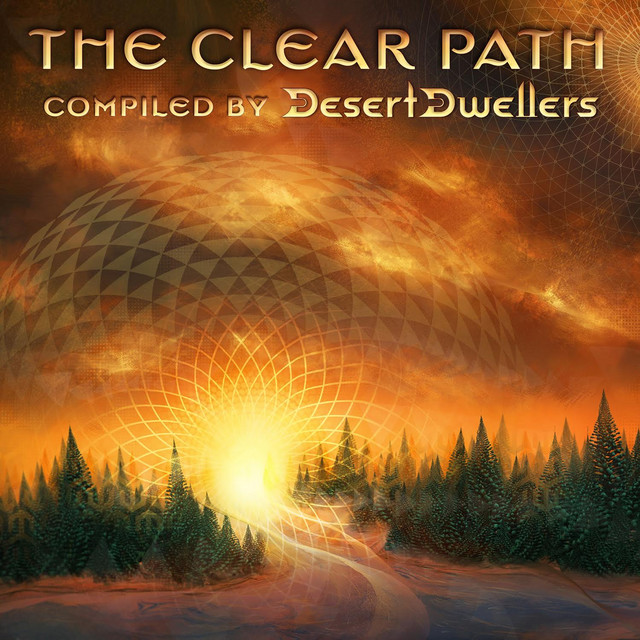
The Clear Path
Desert Dwellers
Coastline EP
Koan
Show more
Artists
Ayọ
Desert Dwellers
The Oddness
Sadhu Sensi
Rapossa
Koan
Zen Baboon
Krusseldorf
Various Artists
The Bitzpan
Phutureprimitive
Martin Nonstatic
Digital Mystery Tour
2020
Michael Wilsberg
Seahorse Transform
Alyssa Palmer
Protonica
Download our mobile app
Get the Melodigging app and start digging for new genres on the go
Download on the App Store
Get it on Google Play
© 2026 Melodigging
Give feedback
Legal
Melodding was created as a tribute to
Every Noise at Once
, which inspired us to help curious minds keep digging into music's ever-evolving genres.