Your digging level
Description
Zilizopendwa (Swahili for “the beloved ones” or “old favorites”) refers to the classic Swahili-language dance-band pop that dominated East African airwaves and ballrooms from the 1960s into the 1980s. It is not just a radio tag for oldies: in musical practice it denotes a supple, guitar-driven style that blends Congolese rumba/soukous phrasing with Afro‑Cuban rhythmic thinking, Tanzanian/Kenyan coastal grooves, taarab lyric poetics, and big-band jazz instrumentation.
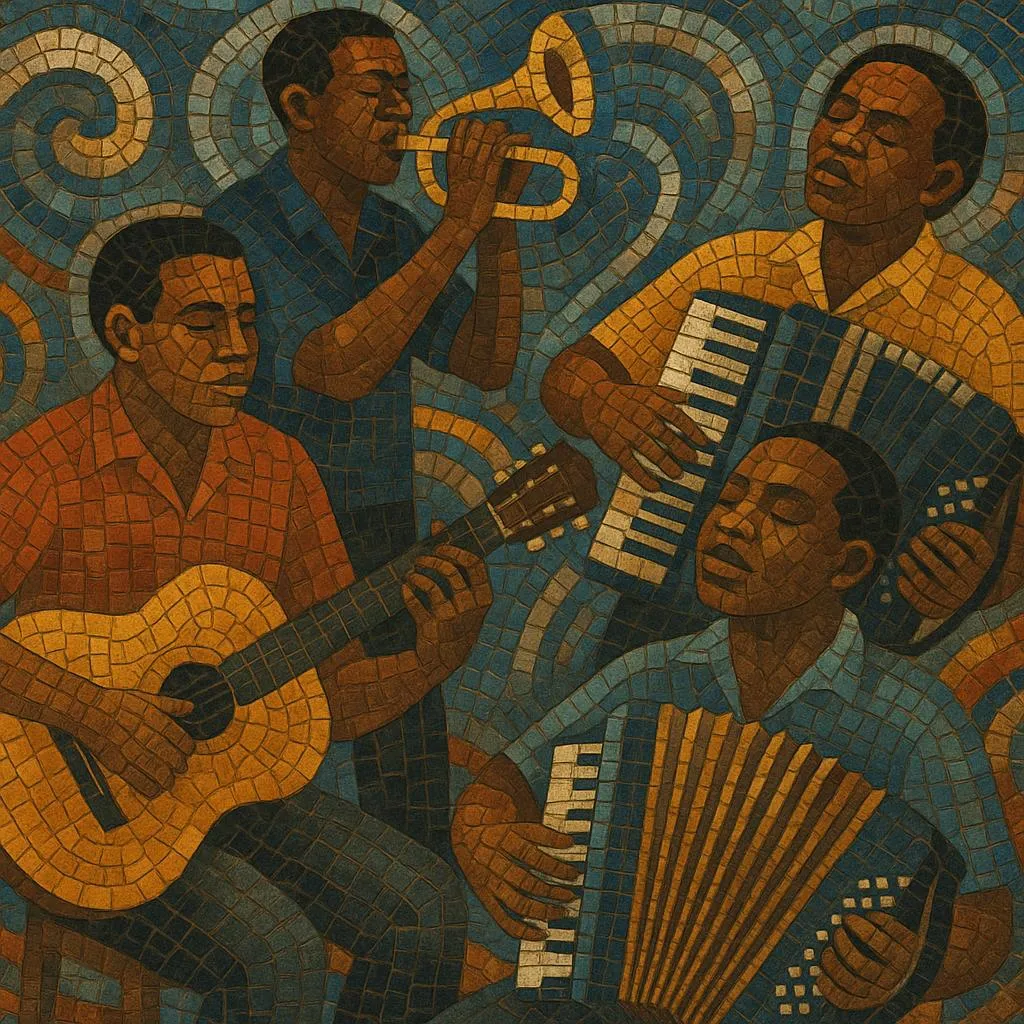
Typical zilizopendwa recordings feature interlocking electric guitars (rhythm and mi-solo/lead), a tumbao-like bass line, congas and drum kit in steady 4/4, bright horn riffs (trumpets/saxophones/trombones), and warm organs or accordions. Vocals are melodious and often arranged in call-and-response, with choral refrains and three-part harmonies. Lyrically, songs revolve around romance, everyday urban life, moral counsel, praise pieces, and gently satirical social observation—all delivered with elegant Swahili prosody.
On the dance floor, bands commonly start at a medium tempo for verses and accelerate into a lively instrumental vamp (the sebene) that highlights guitar ostinatos and horn punches, inviting extended dancing.
History
The style coalesced in the early post‑independence era, when urban dance bands across Kenya and Tanzania absorbed Congolese rumba (itself rooted in Cuban son and rumba) and blended it with Swahili-language songwriting and local coastal rhythms. Jazz instrumentation—horn sections, trap drums, upright/electric bass, and keyboards—carried over from 1950s dance orchestras, while guitarists adapted the fluid mi‑solo leads of Congo to East African melodic sensibilities.
Through the 1970s, the club and ballroom “dansi” circuit flourished. Big bands cultivated polished arrangements with tight horn stabs, warm organs, and layered vocals. Record labels and radio programmers popularized the term “zilizopendwa” for enduring hits by these bands. The musical formula—storytelling verses and sing‑along refrains moving into a joyous sebene—made the style a social soundtrack for weddings, government functions, and weekend dances.
Musicians and groups moved freely between Nairobi, Mombasa, Dar es Salaam, Tanga, and beyond, spreading a shared East African repertoire. Congolese and Tanzanian players working in Kenyan bands (and vice versa) further fused idioms, locking in the region’s signature guitar latticework, tumbao‑inspired bass, and horn voicings.
From the 1990s onward, newer urban styles (genge, bongo flava, Afro‑pop) took center stage, but zilizopendwa retained cultural prestige. It remains a staple of radio “oldies” blocks, hotel band sets, and heritage revivals, and continues to inform contemporary East African pop through its melodic guitar language, choral refrains, and narrative Swahili lyricism.